
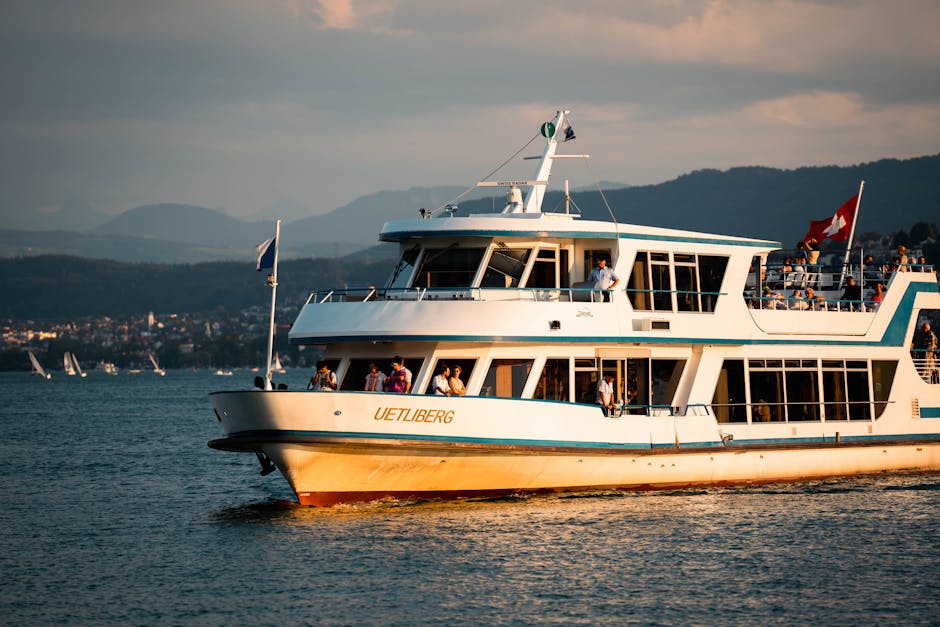
Zurich is a city defined by the silent friction between its medieval past and its hyper-efficient, gold-plated future. For the traveler, this creates a unique hospitality landscape where the “best” hotel isn’t just about the thread count of the linens, but about which side of the city’s personality you wish to inhabit. Choosing the best hotels in Zurich requires a fundamental decision: do you prioritize the immediate proximity of the Limmat river and the luxury retail of Bahnhofstrasse, or do you seek the elevated seclusion of the Adlisberg forest? For those demanding the absolute pinnacle of Swiss hospitality, the Baur au Lac remains the definitive choice for city-center prestige, while The Dolder Grand offers an unrivaled resort experience overlooking the lake. Zurich is a city where ‘luxury’ is the baseline, and ‘excellence’ is the expected standard, making the distinction between properties a matter of architectural preference and specific neighborhood utility.
The financial landscape of Zurich dictates that accommodation will likely be the most significant line item in your budget. With standard rooms at five-star properties often starting above 800 CHF (approximately $900 USD), the value proposition must be weighed against the specific amenities and historical significance of the property. Whether you are visiting for the annual Street Parade, a private banking summit, or a quiet winter retreat, the following analysis breaks down the top-tier options based on long-term reputation, service consistency, and physical location.
Comparing the Pinnacle of Zurich Luxury: The Lakefront vs. The Hillside
The dichotomy of Zurich’s high-end hotel market is best represented by the rivalry—or perhaps the peaceful coexistence—between the lakeside traditionalists and the hillside modernists. If you want to be within a five-minute walk of the world’s most expensive retail shops, you stay by the water (the ‘Goldcoast’ influence). If you want to escape the city’s hum and look down upon it from the ‘Snob Hill’ (as locals sometimes affectionately call the Zurichberg area), you head to the heights. This choice impacts not just your view, but your entire logistical approach to the city, affecting everything from your morning jog route to your choice of evening attire.
The Baur au Lac: The Traditional Standard-Bearer
Owned by the same family for six generations, the Baur au Lac is not merely a hotel; it is a Zurich institution. Located in its own private park at the end of Bahnhofstrasse, it offers a level of privacy that is rare for a city-center property. The rooms are a blend of Art Deco, Louis XVI, and Regency styles, avoiding the sterile minimalism that has overtaken many modern luxury brands. The hotel has hosted everyone from Richard Wagner to Alfred Nobel, and that weight of history is palpable in the polished brass and hushed corridors.
- Approximate Price: 850 CHF – 1,800 CHF per night.
- Pros: Unbeatable location for shopping; private park setting; two-Michelin-starred dining at Pavillon; exceptional concierge service.
- Cons: Can feel overly formal for younger travelers; the traditional decor may lack the high-tech integration found in newer builds; strict dress codes in common areas.
For the frequent traveler, managing the costs of such a stay often involves strategic use of financial tools. Many high-end credit cards, which can be compared and acquired through various finance portals (often featuring partners from the Awin network), offer specific travel insurance and points multipliers that are essential when booking multi-night stays in Switzerland. Utilizing a card with no foreign transaction fees is a basic requirement here, as the Swiss Franc (CHF) exchange rate can be unforgiving when applied to a four-figure hotel bill.
The Dolder Grand: The Hilltop Masterpiece
If the Baur au Lac is about being ‘in’ the city, The Dolder Grand is about being ‘above’ it. Accessible via its own funicular railway, this hotel feels like a castle-resort. The 2008 renovation by Lord Norman Foster seamlessly integrated a futuristic wing with the original 1899 structure. It houses an art collection that would rival small museums, featuring works by Salvador Dalí, Henry Moore, and Takashi Murakami. The 4,000-square-meter spa is widely considered the best in Switzerland, featuring a “snow paradise” room and outdoor whirlpools with Alpine views.
- Approximate Price: 700 CHF – 1,500 CHF per night.
- Pros: Massive 4,000-square-meter spa; incredible views of the Alps and Lake Zurich; quiet, forest-adjacent location; world-class art collection.
- Cons: Requires a shuttle or tram/funicular ride to reach the city center; can feel isolated if you prefer urban spontaneity; expensive on-site dining.
Park Hyatt Zurich: The Business Traveler’s Choice
In the heart of the financial district, the Park Hyatt offers a more contemporary, sleek alternative. It lacks the historic grandeur of the Baur au Lac but compensates with massive rooms (by European standards) and a focus on functional luxury. The floor-to-ceiling windows and wood-paneled interiors provide a warm but professional atmosphere. It is the preferred choice for those who value efficiency, high-speed connectivity, and state-of-the-art technology above all else. The Onyx Bar on-site is a local favorite for post-market-close cocktails among the city’s banking elite.
- Approximate Price: 750 CHF – 1,400 CHF per night.
- Specs: 142 guestrooms/suites; Arigo-designed interiors; 24-hour fitness center; marble bathrooms with rain showers.
- Pros: Extremely spacious rooms; walking distance to the Stock Exchange and Paradeplatz; understated, modern aesthetic.
- Cons: Lacks a view of the lake; the atmosphere can feel somewhat corporate; the immediate neighborhood is quiet on weekends.
| Feature | Baur au Lac | The Dolder Grand | Park Hyatt |
|---|---|---|---|
| Location | City Center / Lake | Adlisberg Hill | Financial District |
| Atmosphere | Classic / Formal | Resort / Artistic | Modern / Corporate |
| Best For | Traditionalists | Wellness Seekers | Business / Modernity |
Navigating Boutique Excellence in the Altstadt and Beyond
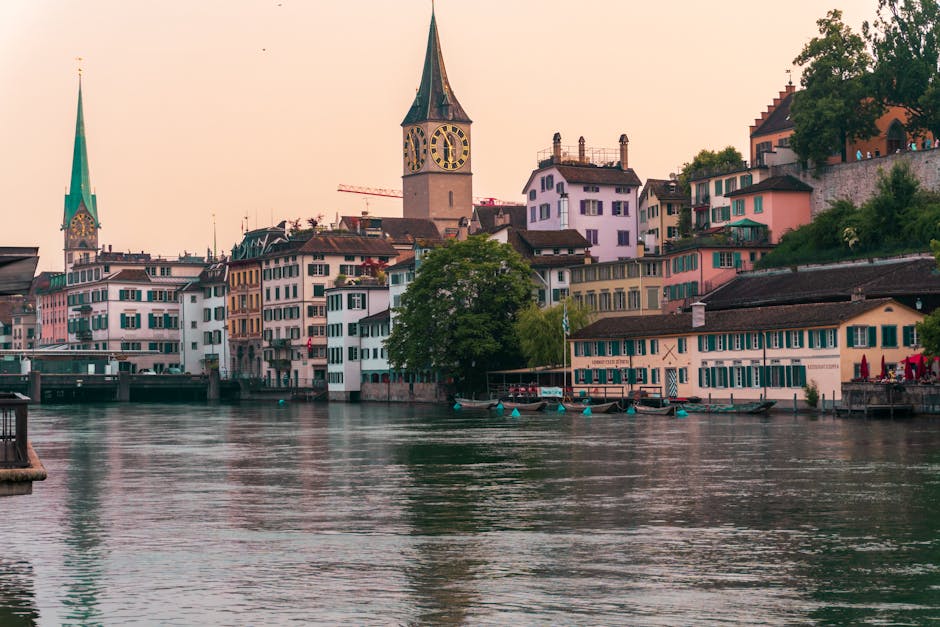
Beyond the sprawling luxury resorts, Zurich’s Old Town (Altstadt) and its trendy western districts offer boutique experiences that are often more culturally integrated. These hotels tend to occupy historic buildings—some dating back centuries—and offer a more intimate look at Swiss life. The trade-off is often smaller room sizes and lack of on-site parking, but the gain in character is significant. When staying in these areas, having a reliable telecom solution is vital. Navigating the narrow, winding alleys of the Niederdorf requires a stable data connection for GPS, as even the most seasoned travelers can lose their bearings among the guild houses.
Widder Hotel: Architecture and History Intertwined
The Widder is perhaps the most unique hotel in Switzerland. It is comprised of nine interconnected townhouses that date back to the Middle Ages. Renowned architect Tilla Theus spent years modernizing the interiors while preserving frescoes, ancient beams, and stone walls. No two rooms are alike. You might find a room with a 15th-century mural directly next to a piece of Le Corbusier furniture. It is a masterclass in how to respect the past while living in the present.
- Approximate Price: 650 CHF – 1,200 CHF per night.
- Pros: Exceptional design; central but quiet location; the Widder Bar is one of the best jazz spots in the city; highly personalized service.
- Cons: The maze-like layout can be confusing; some rooms are significantly smaller than others due to the historic footprint; limited views.
Storchen Zurich: Living on the Limmat
The Storchen has stood on the banks of the Limmat for over 650 years. It is the only hotel in the city with its own private pier, making it a favorite for those who want to arrive by boat. The recent renovations have brightened the interiors, moving away from heavy traditionalism toward a ‘lifestyle’ luxury feel that is airy and sophisticated. The breakfast terrace overlooking the river and the Grossmünster church is arguably the best spot in the city to begin a day.
- Approximate Price: 600 CHF – 1,100 CHF per night.
- Cons: The surrounding streets are pedestrian-only, making taxi drop-offs a bit of a walk; can be noisy during city festivals like Sechseläuten.
25hours Hotel Langstrasse: The Modern Contrast
For a completely different vibe, the 25hours Hotel in the Langstrasse district represents Zurich’s grittier, more creative side. Located near the main train station (HB), it sits at the junction of the red-light district and the newly developed Europaallee. It is eclectic, vibrant, and significantly more affordable than the lakeside giants. It’s a favorite for younger professionals and those who find the traditional Swiss hotel scene a bit stuffy. The hotel features a “curating artist” program where artists stay for free in exchange for their work.
“Zurich is often perceived as a monochrome city of bankers, but staying in Langstrasse reveals the colorful, chaotic heart that keeps the city’s creative engines running.”
- Approximate Price: 250 CHF – 450 CHF per night.
- Pros: Vibrant social scene; free Schindelhauer bike rentals; excellent NENI restaurant on-site; lively bar.
- Cons: The neighborhood can be loud and busy at night; rooms are compact and designed with a ‘train cabin’ aesthetic; not suitable for those seeking peace and quiet.
Avoiding Common Booking Pitfalls: A Swiss Perspective
When booking in Zurich, many travelers make the mistake of assuming all “central” locations are equal. Staying near the Hauptbahnhof (Main Station) is convenient for trains, but the area can be hectic and lacks the charm of the Enge or Seefeld districts. Another common error is underestimating the “Event Tax.” During the Zurich Film Festival or the World Economic Forum (WEF) in nearby Davos, hotel prices in Zurich can triple, and availability disappears months in advance.
Always check if your hotel includes a “Zurich Card.” While many boutique hotels provide this as a perk, luxury properties often do not. This card provides free travel on all public transport and reduced admission to most museums. If your hotel doesn’t provide it, you can purchase one via various retail travel apps or at the airport. Additionally, be aware of the “Sunday Shutdown.” Most retail shops in the city center are closed on Sundays; if you plan to shop, ensure your stay includes a Friday or Saturday.
Neighborhood Comparison for Travelers
| Neighborhood | Vibe | Pros | Cons |
|---|---|---|---|
| Altstadt | Historic / Romantic | Walkable, charming, river access | Small rooms, no cars |
| Enge / Lakefront | Affluent / Serene | Lake views, high-end dining | Very expensive, quiet at night |
| Langstrasse / West | Edgy / Creative | Nightlife, cheaper eats | Can be gritty, noisy |
| Zurichberg | Exclusive / Natural | Views, fresh air, hiking | Commute to center, isolated |
Practical Logistics for a Zurich Stay: Finance, Connectivity, and Gear
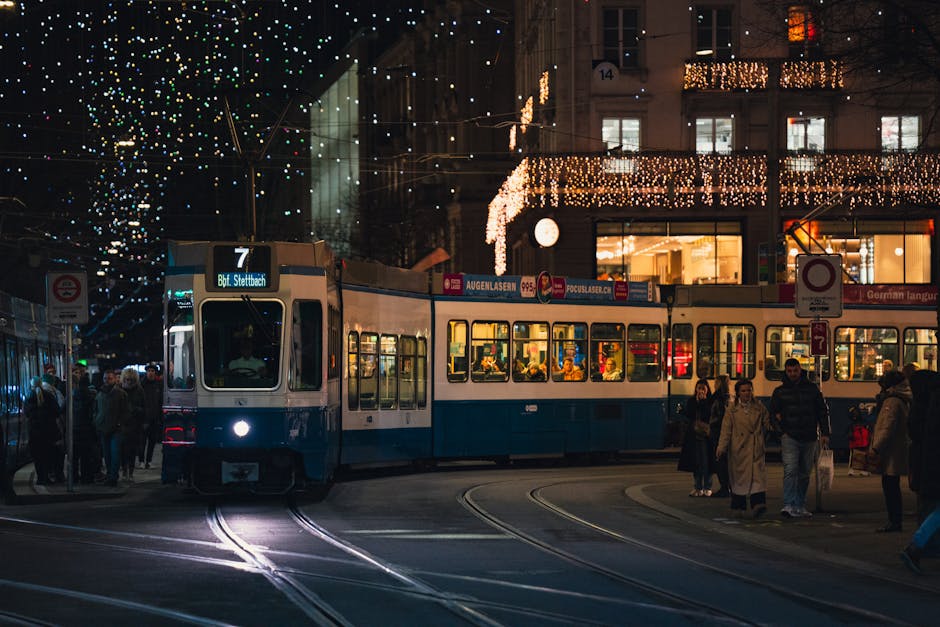
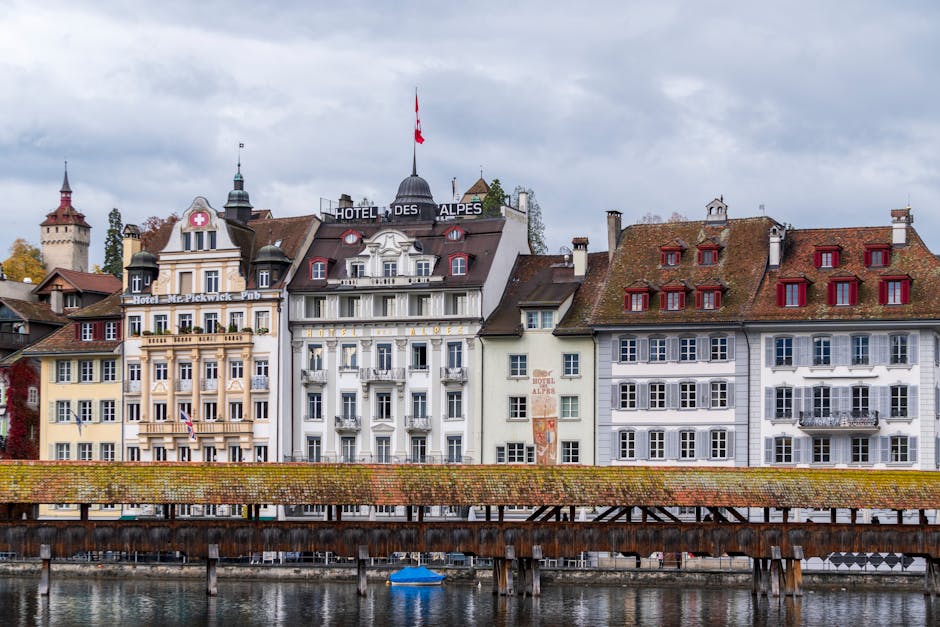
A trip to Zurich is an exercise in precision. The city operates like the high-end watches sold on its streets, and your preparation should match this. Beyond choosing a hotel, you must consider the practicalities of Swiss travel. This includes managing high costs, ensuring seamless digital connectivity, and dressing for a climate that can shift from lakeside humidity to mountain chill in a single afternoon.
Managing Your Financial Footprint
Switzerland remains an expensive destination, and Zurich is its most costly city. To mitigate the impact, it is wise to utilize retail rewards programs and financial apps that allow for real-time tracking of Swiss Franc spending. Many travelers find that purchasing a Swiss Travel Pass is more economical than individual tickets, especially if you plan to visit the Uetliberg mountain or take a boat trip on the lake. When shopping on Bahnhofstrasse, remember that VAT refunds (Global Blue) are available for non-residents; using a dedicated app from a retail partner can simplify this paperwork significantly.
Furthermore, consider the insurance implications. When booking high-value suites at places like The Dolder Grand, ensure your credit card’s travel protection is robust. The finance sector offers various premium cards that include trip cancellation and interruption insurance, which is a necessary safety net when prepaying for expensive Swiss accommodation. Look for cards that offer a high “earn rate” on travel categories to maximize your return on the significant investment of a Zurich stay.
Staying Connected and Equipped
Switzerland is not part of the European Union, and while many mobile providers include it in their ‘Europe’ roaming zones, many do not. Check your telecom plan before arrival. If your provider charges exorbitant rates for Swiss data, purchasing a local eSIM or a pre-paid SIM card at Zurich Airport is a much smarter move. This ensures you can use the SBB Mobile app, which is the gold standard for navigating the incredibly efficient Swiss rail and tram network. High-speed 5G is standard throughout the city, making it an ideal location for digital nomads who can afford the overhead.
In terms of gear, Zurich requires a ‘smart-casual’ wardrobe that leans toward the ‘smart.’ Even in the more bohemian Langstrasse, a well-tailored coat or a pair of high-quality boots is standard. For those visiting in the winter, investing in premium thermal layers from retail outdoor specialists is non-negotiable. The wind coming off Lake Zurich in January is biting, and a standard fashion coat will not suffice if you plan on walking through the Christmas markets or taking the boat to Rapperswil. Consider brands like Mammut (a Swiss staple) for gear that blends performance with the local aesthetic.
Final Recommendations for Different Traveler Profiles
- The First-Time Visitor: Stay at the Storchen Zurich. Its central location and river views provide the quintessential Zurich experience without the extreme price tag of the Baur au Lac.
- The Wellness Enthusiast: Choose The Dolder Grand. Its spa facilities are unmatched in the city, and the proximity to forest hiking trails offers a perfect balance to the urban environment.
- The Design Aficionado: The Widder Hotel is a mandatory stay. The historical preservation combined with mid-century modern furniture is a masterclass in interior design.
- The Budget-Conscious Professional: The 25hours Hotel Langstrasse offers the best balance of price, style, and proximity to the main transport hub.
Zurich’s hotel scene is a reflection of the city itself: expensive, meticulously maintained, and deeply respectful of tradition while quietly embracing the future. By selecting a hotel that aligns with your logistical needs and using the right financial and technical tools to manage your stay, you can navigate this high-cost environment with the same precision the Swiss apply to everything they do. Whether you are drinking a 15 CHF coffee on the Baur au Lac terrace or a 5 CHF beer in Langstrasse, the quality of the experience remains consistently high, provided you have planned your approach with the necessary foresight.