
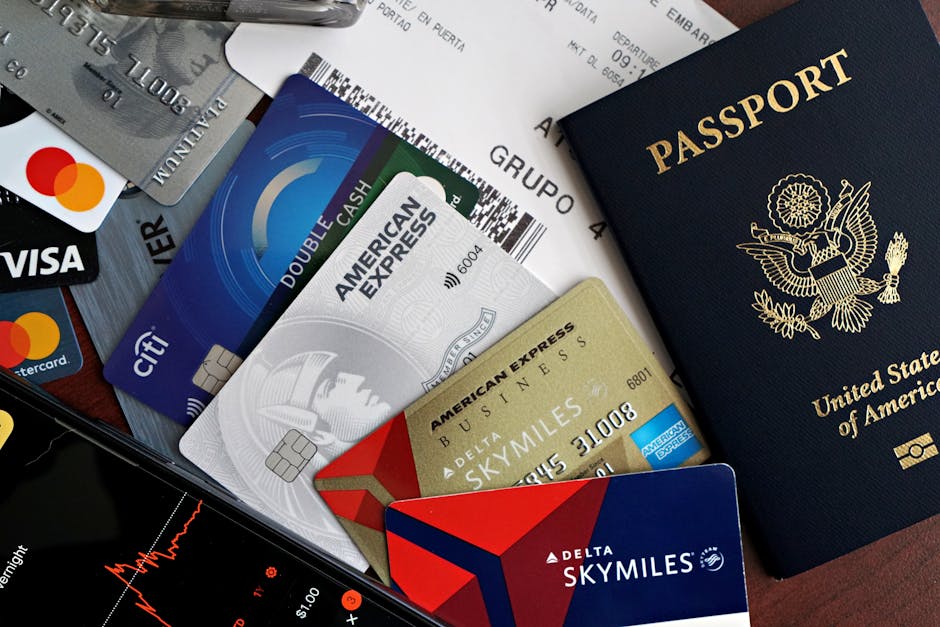
The Australian passport sits in the global top ten for travel access — entry to more than 185 destinations without a prior visa appointment. That number is real. What it hides is that a significant chunk of those 185 destinations require Australians to complete electronic authorisations, pay fees, or upload documentation before boarding. Treating those requirements as interchangeable with true visa-free entry is the misconception that gets people denied at the check-in counter, not at the border.
This is a factual breakdown of what Australian citizens actually need, by destination type — with costs, processing times, and the specific traps most travel content glosses over. Visa regulations change frequently. Always verify requirements directly through Smartraveller (smartraveller.gov.au) or the official immigration portal of your destination country before booking.
What “Visa-Free” Actually Means for an Australian Passport
The travel industry uses three distinct entry types interchangeably, and they are not the same thing.
True visa-free entry means you arrive, present your passport, and enter. Japan operates this way — Australians get 90 days with no advance paperwork and no fee. Indonesia is the same for tourist stays up to 30 days (Bali included). Brazil dropped its visa requirement for Australians in 2026 and has not reinstated it.
An Electronic Travel Authorisation — like the US ESTA (USD $21) or Canada’s eTA (CAD $7) — is a mandatory pre-screening requirement attached to your passport number. It is not a visa, but flying without one results in airline staff refusing to issue your boarding pass in Australia. The UK introduced its own ETA in 2026 at £10 per application. New Zealand requires the NZeTA, which costs NZD $17 when applied online (NZD $23 via the app, an inconsistency the NZ government has never satisfactorily explained).
An eVisa is a proper visa — just applied for online rather than in person at an embassy. Turkey (approximately USD $90 for Australian citizens), India (USD $25–$80 depending on duration), Vietnam (USD $25), and Kenya (USD $30 for the East Africa Tourist Visa) all fall here. Processing runs 24–72 hours in most cases, though India’s system regularly exceeds that during peak travel periods. Plan accordingly.
The practical difference: ETAs process instantly and are valid for multiple trips. eVisas require time and are often single-entry or trip-specific. True visa-free destinations require nothing beyond a valid passport.
The Six-Month Validity Rule — and When It Does Not Apply
Most countries require your passport to remain valid for at least six months beyond your intended departure date from that country — not just your arrival. A passport expiring three months after you land fails this test in most of Southeast Asia, the Middle East, and Africa. Japan and the USA are exceptions: they require validity only for the duration of your stay. The safe universal standard is eight months of remaining validity before any international departure. Renewing a passport six months into advance costs nothing extra and eliminates the risk entirely.
Blank Pages: Overlooked Until It Is Too Late
Several countries require one or two blank pages for entry stamps, separate from any visa pages. A well-traveled Australian passport with only one blank page left can be rejected at the border even with a fully valid eVisa in the system. Check your page count before departure, not at the airport.
Entry Requirements at a Glance: 16 Destinations Compared

The table below covers the most common destinations for Australian travelers. Costs are shown in the currency most commonly charged at the point of application.
| Destination | Entry Type | Max Stay | Cost | Apply Before Travel? |
|---|---|---|---|---|
| USA | ESTA | 90 days | USD $21 | Yes — minimum 72 hours prior |
| UK | ETA | 6 months | £10 | Yes — before departure |
| Canada | eTA | 6 months | CAD $7 | Yes — before flying |
| EU / Schengen | Visa-free (ETIAS pending) | 90 days in 180 | Free (ETIAS: €7 when live) | No (ETIAS rollout ongoing in 2026) |
| Japan | Visa-free | 90 days | Free | No |
| New Zealand | NZeTA | Varies by purpose | NZD $17–$23 | Yes |
| Thailand | Visa-free | 60 days | Free | No |
| Indonesia | Visa-free | 30 days | Free | No |
| Turkey | eVisa | 30 days | ~USD $90 | Yes — apply via evisa.gov.tr only |
| India | e-Tourist Visa | 30 / 60 / 365 days | USD $25–$80 | Yes — at least 4 days prior |
| Vietnam | eVisa | 90 days | USD $25 | Yes — 3 business days typical |
| Sri Lanka | ETA | 30 days | USD $35 | Yes |
| Kenya | eVisa (East Africa Tourist Visa) | 90 days | USD $30 | Yes |
| Egypt | Visa on arrival | 30 days | USD $25 | No |
| Brazil | Visa-free | 90 days | Free | No |
| China | Visa required (72-hr transit exemption in select cities) | Varies | AUD $100+ | Yes — embassy appointment required |
Turkey’s eVisa fee increased considerably from 2026 to 2026 and is now one of the most expensive single-entry eVisas Australian citizens face. Apply only through the official Turkish government portal at evisa.gov.tr. Dozens of commercial lookalike sites rank above the official portal in search results and charge USD $60–$90 in added fees for submitting the identical form you can complete in under five minutes for free.
Countries That Still Require a Full Embassy Visa
The list has shortened over the past decade, but these destinations still require Australians to submit a formal visa application — in person, by mail, or through a consular appointment — before travel.
- China: Standard tourist visas require an appointment at a Chinese consulate in Australia. Processing runs 4–7 business days; fees start around AUD $100 for single-entry. The 72-hour transit exemption (144 hours in Shanghai, Beijing, and several other gateway cities) applies only if you remain within a designated transit zone and have a confirmed onward ticket. It does not substitute for a tourist visa if you plan to leave the airport.
- Russia: Consular visa required. DFAT currently rates Russia as Do Not Travel. For most practical purposes, this destination is inaccessible to Australians under current conditions regardless of visa mechanics.
- Saudi Arabia: An eVisa became available to tourists in 2019 as part of Vision 2030. The fee is approximately USD $130 for a multi-entry visa valid one year. This is a genuine and significant shift — Australians could not obtain a tourist visa at all before that change.
- Pakistan: An online visa system exists but requires supporting documentation, an invitation or hotel confirmation, and processing times that run longer than standard eVisa systems. Not a same-week application.
- Iran: Visa on arrival is technically available at select entry points. DFAT’s current advisory is Reconsider Your Need to Travel. Most Australians who do visit obtain a visa through an Iranian embassy in advance rather than relying on arrival procedures.
The verdict on China specifically: if it’s on your itinerary, allow three to four weeks for the visa process, not one. Processing times vary by consulate location and time of year, and there is no expedite option equivalent to what exists for some other countries.
Transit Visas Cancel More Trips Than Overstays Do

If you have a layover in China, the USA, or India on the way to your actual destination, stop and check transit requirements before booking that routing. Transit visa requirements follow the rules of the country you are connecting through, not your final destination. Australians transiting through Beijing beyond the 72-hour exemption window, or transiting through any US airport without a valid ESTA, can be denied boarding by the airline at their departure gate in Australia — not at the foreign border. This is not a bureaucratic edge case. Airlines face fines for transporting passengers who will be denied entry and check authorisation status before issuing boarding passes. A missed transit visa check at the itinerary stage has cost Australian travelers AUD $2,000–$4,000 in emergency rebooking fees.
Five Mistakes Australian Travelers Make Before They Leave
Each of these is preventable. Each causes real, measurable damage — missed flights, denied boarding, fines, and entry bans.
- Using a third-party visa service instead of the official government portal. The ESTA costs USD $21 total, applied at esta.cbp.dhs.gov. The Turkey eVisa is applied at evisa.gov.tr. Vietnam’s eVisa portal is evisa.xuatnhapcanh.gov.vn. For every one of these, commercial intermediary sites appear in search results above official portals. They charge USD $50–$150 in “processing fees” for submitting the same form. They provide no faster processing, no guarantee of approval, and no recourse if the application is rejected. The only upside is convenience for people who genuinely cannot navigate a government website — a low bar for most travelers.
- Not accounting for the Schengen 90/180-day rule. Australians can spend 90 days in the Schengen area within any rolling 180-day window. That window is not a calendar year and does not reset on 1 January. Spending 90 days in Spain, flying home, then returning to Germany three weeks later does not reset the clock. EU border systems track entry and exit dates electronically, and airlines have begun checking this at departure. Overstaying the Schengen limit results in fines and potential multi-year entry bans across all 27 member states simultaneously.
- Assuming your eVisa can be extended on arrival. A 30-day Turkish eVisa is 30 days. There is no local extension office in Istanbul that will informally add two weeks. Overstaying results in fines at departure and can affect future visa applications to Turkey and other destinations that share overstay records.
- Not checking whether your ESTA is still valid. US ESTAs are valid for two years from the date of approval — or until your passport expires, whichever comes first. If you renewed your Australian passport since your last trip to the USA, your ESTA is invalid even if the approval date says otherwise. The ESTA is linked to a specific passport number. A new passport requires a new ESTA. This catches travelers who have not visited the US in several years and assume their old approval still stands.
- Skipping travel insurance because the destination feels safe. This is specifically a financial mistake, not just a health one. A hospital admission in the USA runs AUD $15,000–$50,000 per day before surgery costs. The EU’s reciprocal health agreements do not extend to Australian citizens the way they do for EU passport holders. Cover-More, World2Cover, and Allianz Travel are the three insurers most commonly used by Australian international travelers — each offers policies that cover medical evacuation, trip cancellation, and pre-existing conditions at varying premium levels. Compare on the basis of what is actually covered for your specific health situation, not headline premium price.
How to Verify Requirements Without Getting Wrong Information
Which sources should you actually trust?
Two: Smartraveller (smartraveller.gov.au), run by the Australian Department of Foreign Affairs and Trade, and the official immigration or entry portal of the destination country. Everything else — travel blogs, airline FAQ pages, visa comparison aggregators — is useful for orientation but not for final decisions. Visa conditions for major destinations changed multiple times between 2026 and 2026, and articles written before those changes continue to rank in search results with outdated information. Always cross-reference against a source updated within the last 90 days.
What is the ETIAS, and does it affect Australian travelers in 2026?
The European Travel Information and Authorisation System is the EU’s equivalent of the US ESTA — a pre-screening requirement for visa-exempt travelers including Australians. Originally scheduled for 2026, the launch has been delayed multiple times. As of 2026, the system is in phased rollout. When fully active, Australians visiting any Schengen country will need to apply online (fee: €7) before departure, and the authorisation will be linked to their passport. Check the official ETIAS portal (travel-europe.europa.eu) in the month before any planned European trip to confirm current status — this is not a situation where a months-old travel article will give you accurate information.
How far in advance should you apply?
The safe answer by entry type:
- US ESTA and Canada eTA: apply when you book flights, not 72 hours before departure. Both are approved almost instantly, but system outages do occur.
- UK ETA: apply when booking. Typically approved within hours.
- Turkey eVisa: approved within 24–48 hours in most cases; apply at least one week before departure.
- India e-Tourist Visa: the official minimum is four business days before arrival. In practice, allow 7–10 days. India’s system has known delays during peak periods (October–March).
- Vietnam eVisa: three business days typical processing.
- China embassy visa: allow four to six weeks. This is not a last-minute application.
For any trip involving multiple countries with different entry requirements, map out every visa and ETA needed at the time of booking — not the week before departure. The cost of a denied boarding on a non-refundable flight is almost always higher than the cost of the visa itself.
This article is for informational purposes only and does not constitute legal or immigration advice. Visa and entry requirements are subject to change without notice. Verify all requirements through official government sources before making any travel bookings.