
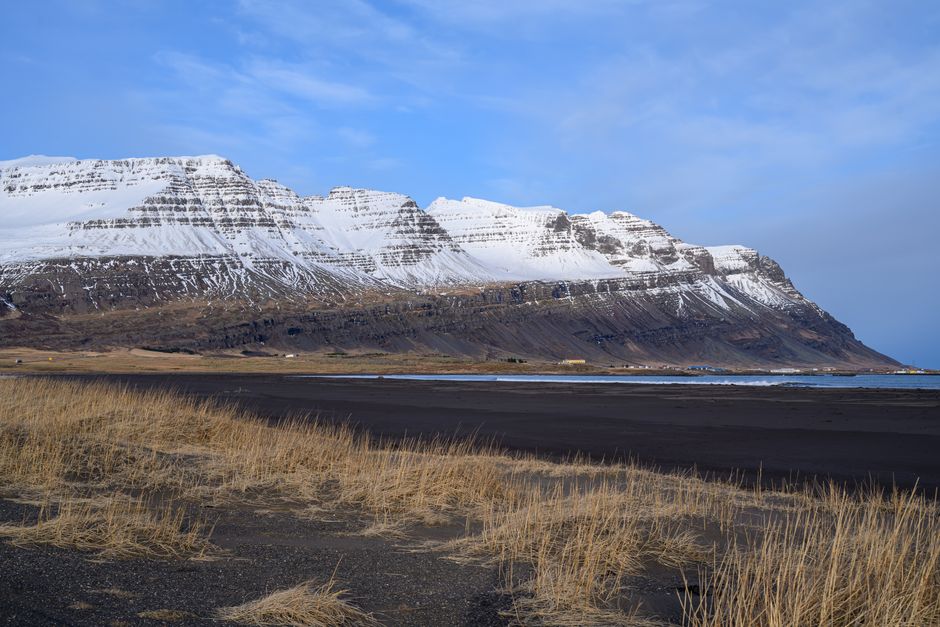
Most people pack for Iceland like they’re going to the moon. They bring three puffy jackets, a portable sauna, and boots that weigh more than their carry-on. You don’t need any of that. You need wind protection, wool, and the discipline to leave the cotton at home. I’ve done the Ring Road in February twice. This is the list I actually use, not the list that looks good on Instagram.
Here’s the core rule: If it doesn’t stop wind or hold heat when wet, it doesn’t come. Iceland in winter is rarely arctic cold. Reykjavík hovers around 0°C (32°F). The killer is the horizontal rain and 40 mph gusts. You dress for a wet, windy boat ride, not a ski slope.
The Layering System That Actually Works
Forget the four-layer system. You need three. Base, mid, shell. That’s it. If you’re cold, you’re not moving enough or your mid-layer is too thin.
Base Layer: Merino or Bust
Cotton kills. It holds sweat, gets cold, and you’ll freeze the second you stop moving. Merino wool from Smartwool or Icebreaker is the only choice. I bring two 250-weight long-sleeve tops and one pair of 200-weight bottoms. That’s enough for two weeks. You can rinse them in a sink and they’ll dry overnight. Don’t bring synthetic base layers unless you enjoy smelling like a gym bag.
Specific pick: The Smartwool Classic Thermal Merino Base Layer ($115 for the top, $110 for the bottom). It’s not cheap. It’s worth it. You’ll wear it every single day.
Mid Layer: Fleece or Thin Down
This is where people overthink. You don’t need a massive expedition-weight puffy. You need a Patagonia R1 Air Fleece ($119) or a Rab Microlight Down Jacket ($280). The fleece breathes better when you’re hiking. The down packs smaller and is warmer when you’re standing still watching the Northern Lights. I bring the fleece. My wife brings the down. We’re both right.
Shell: The Most Important Piece
Your shell is your armor. It must be Gore-Tex or equivalent. Not water-resistant. Waterproof. The Arc’teryx Beta LT Jacket ($450) is the gold standard for a reason. It’s light, it’s bombproof, and the hood actually fits over a beanie. If you want to save money, the REI Co-op XeroDry GTX Jacket ($189) does 90% of the job for half the price.
Do not buy a fashion raincoat. The wind will shred it, and you’ll be wet and miserable by day two.
The Boots, The Socks, The Gloves
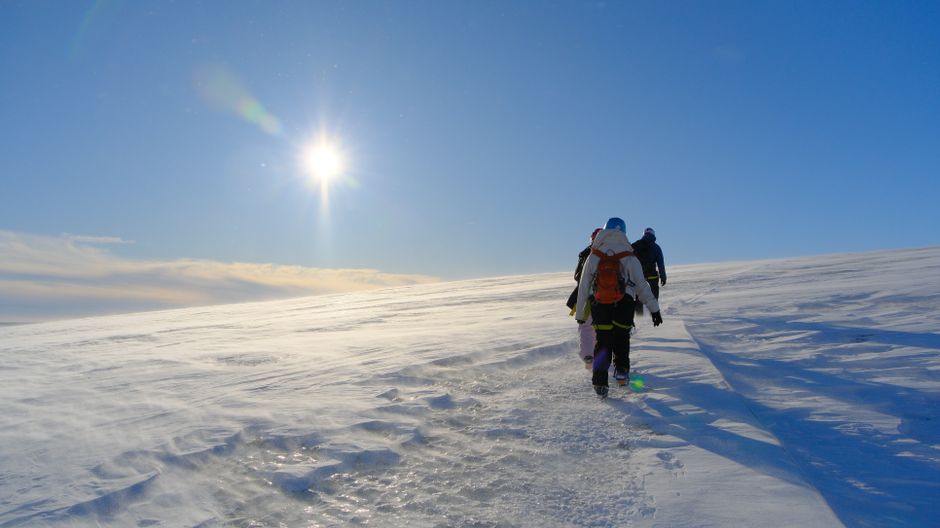
Extremities fail first. Here’s the exact setup that keeps me functional.
- Socks: Two pairs of Darn Tough Hiker Micro Crew Cushion ($27 each). Merino, lifetime warranty. Bring three pairs total. You can wear them two days in a row. They don’t stink.
- Boots: Salomon Quest 4 GTX ($230) or Keen Targhee III Waterproof ($165). You want a mid-height boot with a solid lug sole. You’ll be walking on ice, gravel, and wet rock. No sneakers. No fashion boots.
- Gloves: This is a two-part system. A thin liner glove (Sealskinz Waterproof All Weather Glove, $50) plus a heavy mitt (Hestra Heli Ski Mitt, $160). Mitts are warmer than gloves. Period. You need both because you’ll need to use your fingers for photos and zippers.
If you skip the liner gloves, you’ll take your mitts off to adjust a strap, and the wind will feel like it’s removing your skin. Don’t skip the liners.
What NOT to Bring (The Overpacker’s Graveyard)
Half the stuff in your closet is dead weight. Leave it.
Jeans
Jeans are the worst thing you can wear in Iceland in winter. They hold water, they freeze, they chafe. Bring one pair of softshell pants (Outdoor Research Cirque II, $199) and one pair of insulated pants for Northern Lights nights (Mountain Hardwear Ghost Whisperer Pants, $250). Done.
Umbrella
An umbrella in Iceland is a kite. The wind will invert it in three seconds. Your shell has a hood. Use it.
Heavy Sweaters
You’ll buy a lopapeysa (Icelandic wool sweater) there. They’re $200+ and they’re incredible. Leave room in your bag. Don’t bring three heavy sweaters from home. Bring one fleece. Buy the wool there.
Electronics and Power: The Cold Battery Problem
Cold kills batteries. Your phone will go from 50% to dead in ten minutes while you’re photographing a waterfall. Here’s the fix.
- Power bank: The Anker PowerCore 10000 ($35) is small enough to keep in an inside pocket where it stays warm. Run a short cable to your phone. Keep the phone in your jacket too.
- Camera: Bring extra batteries. Keep them in a ziplock bag inside your jacket. When one dies, swap it and put the dead one against your body. It’ll recover some charge.
- Adapter: Iceland uses the Europlug (Type C/F). A simple Ceptics US to Europe Adapter ($12) is all you need. Most hotels have USB ports now.
Do not leave your phone on a tripod in the wind. It will blow over. I’ve seen it happen to three people at Skógafoss. The screen doesn’t survive a face-first meeting with basalt.
The Small Stuff That Saves the Trip
These aren’t exciting. They’re the difference between a good trip and a miserable one.
| Item | Why You Need It | Specific Pick | Price |
|---|---|---|---|
| Neck Gaiter | Windburn on your face is real | Smartwool Merino 250 Neck Gaiter | $30 |
| Microfiber Towel | Hot springs, hostels, and wet gear | PackTowl Personal Towel | $20 |
| Dry Bag (10L) | Keeps camera gear dry in the rain | Sea to Summit Lightweight Dry Sack | $25 |
| Headlamp | It’s dark for 18 hours a day | Black Diamond Spot 400 | $50 |
| Lip Balm with SPF | Windburn and glare from snow | Aquaphor Lip Repair SPF 30 | $5 |
You’ll use every single one of these. The headlamp especially. In December and January, you get four to five hours of weak daylight. You’ll be walking to dinner in the dark.
One more thing: bring a swimsuit. The Blue Lagoon and the local pools are non-negotiable. You’ll feel stupid if you have to rent one for $15.
So here’s the verdict. Build your bag around a waterproof shell, two merino base layers, one fleece, and a pair of boots you’ve already broken in. Everything else is noise. You’ll be warm, you’ll be dry, and you won’t be dragging a 50-pound suitcase across a gravel parking lot in a blizzard.