
A five-day city break in April, May, September, or October can give you cool mornings, warm afternoons, sudden rain, and a dinner reservation that calls for sharper clothes. The safest packing rule is simple: build around layers, repeat outfits, and reserve space for weather changes.
No state law is discussed on this travel page. This is not legal advice — consult a licensed attorney.
What fits in one carry-on for five city days?
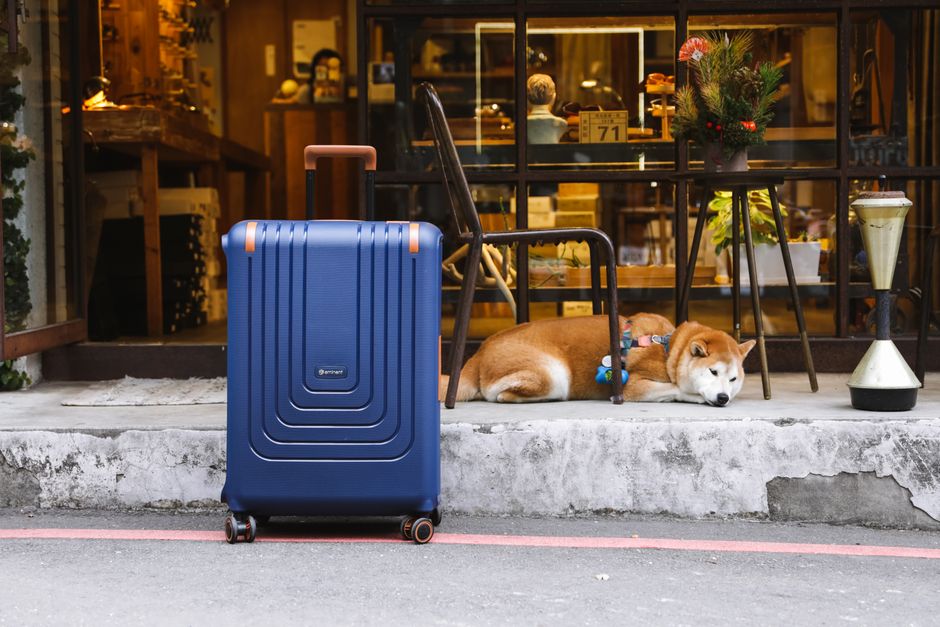
The strongest one-bag setup is a 26- to 32-liter pack with a separate pouch for small items. The Osprey Daylite Expandable Travel Pack 26+6 is the clearest choice for travelers who want a compact main bag that expands from 26 liters to 32 liters. The Peak Design Packing Cube Small, with an 8-liter capacity, earns its space because it keeps tops and underwear from spreading across the bag.
Use the following quantities as a working limit. They leave room for a compact rain layer, chargers, and one small purchase without turning the bag into a rigid weight test.
| Category | Quantity | Target space | Reason |
|---|---|---|---|
| Short- or long-sleeve tops | 3 | About 6 liters | One worn, two rotated through the trip |
| Trousers or skirts | 2 | About 5 liters | One worn, one spare for rain or dinner |
| Insulating layer | 1 | About 4 liters | Fills the temperature gap after sunset |
| Rain shell | 1 | About 2 liters | Protects the whole outfit during showers |
| Underwear | 5 pairs | About 2 liters | Matches the trip length |
| Socks | 5 pairs | About 2 liters | Includes a dry pair for wet-weather recovery |
| Shoes | 2 pairs maximum | About 8 liters | One walking pair and one lighter or smarter pair |
| Toiletries and medicine | One kit | About 2 liters | Keep liquids visible and easy to remove |
Use the bag’s shape as a packing rule
Place shoes at the bottom or along the outer edge, then pack trousers and the insulating layer. Keep the shell near the opening. Put documents, medication, and electronics in a pouch that can be removed without unpacking clothing. The best bag is not the one with the highest advertised capacity; it is the one that lets you reach the item you need while standing on a train platform.
Keep the second shoe pair on probation
Two pairs make sense when the second pair serves a defined purpose, such as formal dinners or wet-weather backup. They do not make sense when both pairs are casual sneakers with similar soles. For most city breaks, one broken-in walking shoe and one lightweight alternative are enough. If the alternative cannot handle at least 8,000 steps, it is decorative luggage.
Clear verdict: choose the Osprey Daylite Expandable Travel Pack 26+6 for a flexible carry-on-sized system, add one 8-liter packing cube, and cap footwear at two pairs. That combination offers more control than a larger bag that encourages overpacking.
How to stop packing mistakes before you leave
The most common errors happen before the bag is zipped. Travelers pack duplicate colors, trust a weather app’s daily average, and bring items that only work with one outfit. A short city break rewards legal-style issue spotting: identify the likely problems, test the weak points, and remove anything without a clear function.
- Do a five-day outfit audit. Lay out every planned outfit and check that each top works with both bottoms. If a shirt matches only one pair of trousers, it creates a hidden dependency. Replace it or leave it behind. A simple two-color base, plus one accent color, usually produces more combinations than a larger mixed wardrobe.
- Test the walking shoes before departure. Wear them for a two-hour walk on pavement, stairs, and uneven ground. New shoes can cause blisters before the first museum visit. Pack blister plasters in the personal item, not at the bottom of the main bag.
- Separate wet from dry. Carry one thin reusable bag for damp socks, a rain-soaked shell, or swimwear. A plastic grocery bag works in an emergency, but a washable waterproof pouch is easier to reuse and less likely to split.
- Check the hotel before packing appliances. Many rooms provide a hair dryer, towels, an iron, or basic soap. Confirm rather than guess. A travel steamer that stays unused for five days is a poor trade for the space it occupies.
- Prepare for one failed plan. Pack one outfit that works for a delayed train, an indoor museum day, or a restaurant with a dress code. This does not require formalwear. Dark trousers, a clean top, and one structured layer often cover the problem.
- Weigh the closed bag. A useful target is 7 to 9 kilograms before food and water, but airline limits differ. Check the carrier’s current allowance and measure the bag when full. A bag that fits empty may bulge beyond its stated dimensions after packing.
Do not pack a second coat because the first one feels repetitive. Wear it, change the base layer, and add the shell when rain starts. The failure mode to avoid is not a slightly dull outfit; it is carrying five days of clothing while still lacking a dry, comfortable option.
Which layers earn space in a small bag?
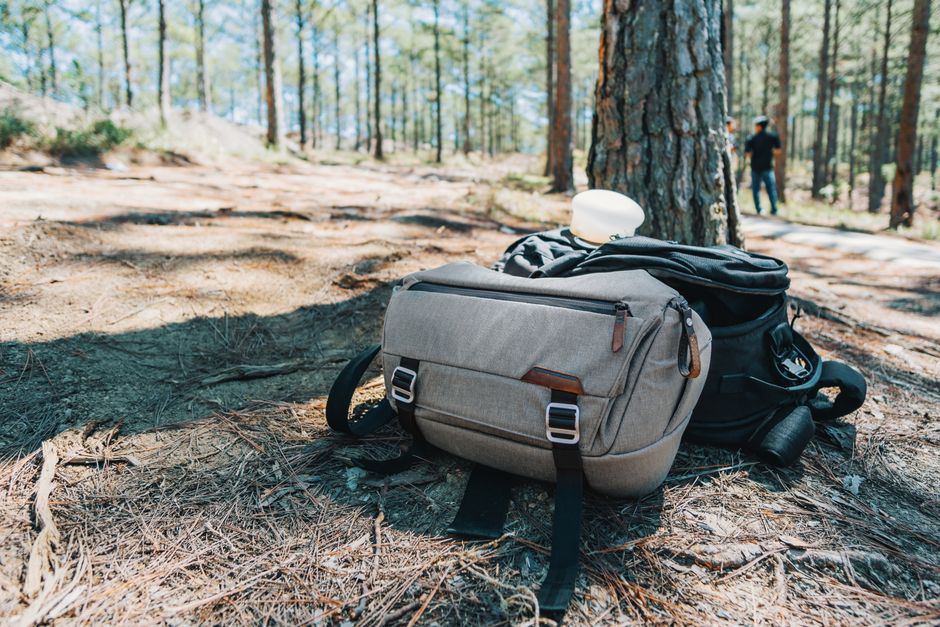
Choose a waterproof shell first, a warm mid-layer second, and a trend piece only if it replaces something else. For a wet city with long outdoor transfers, the Patagonia Torrentshell 3L is the best shell choice because its three-layer construction and pit zips offer more protection than a thin fashion raincoat. For a dry but cool forecast, the Uniqlo Ultra Light Down jacket is the better space-saving layer because its packable design and 750-fill-power insulation provide warmth without the bulk of a wool coat.
Pick the shell before the sweater
A rain shell does more jobs than its name suggests. It blocks wind, protects a shirt from drizzle, and gives a thin sweater a warmer microclimate. The Patagonia Torrentshell 3L is a strong choice for travelers who expect repeated rain and will walk for an hour or more between stops. It is less useful for a mostly indoor itinerary in a dry climate, where a lighter windbreaker may be enough.
Generic tip one: check the hood while wearing your day bag. A hood that falls over your eyes becomes a nuisance, and a collar that cannot close leaves your neck exposed. Generic tip two: test the pockets with your phone, passport, and transit card. A jacket that forces you to open the main bag every few minutes will quickly become an inconvenience.
Use insulation to fill the evening gap
The Uniqlo Ultra Light Down jacket is the best choice for cold, dry evenings when weight and compression matter more than rain protection. It should sit under the shell, not replace it. If the forecast is wet and windy, use a fleece or synthetic mid-layer instead; down loses much of its insulating value when it becomes damp.
The Peak Design Packing Cube Small is useful for the clothing system because its 8-liter format fits three tops, underwear, and socks without requiring compression straps. It is not a magic space-maker. Compression can reduce volume, but it cannot reduce weight, and an overfilled cube makes wrinkles worse.
One final rule protects the budget as well as the bag: do not buy a new item unless it replaces two existing items or solves a documented forecast problem. For a five-day trip, the best clothing choice is usually the piece that works at breakfast, on a long walk, and at a casual dinner.
What changes for rain, cold, and formal plans?
What should change when rain is likely every day?
Move the shell to the top of the bag, add a second pair of socks, and choose shoes with a sole that grips wet pavement. A compact umbrella can help in light rain, but it should not be your only defense on a walking-heavy itinerary. Keep electronics in a sealed pouch and never assume a backpack’s fabric is fully waterproof just because it resists a short shower.
What should change when nights fall below 8°C?
Keep the three-layer system and add one small accessory: a thin scarf, warm hat, or thermal base layer. Choose one, not all three, unless the forecast includes strong wind. A warm accessory often gives more comfort per gram than another sweater because it protects the areas where heat escapes quickly.
What should change for a formal dinner?
Build the dinner outfit from pieces already in the bag. Dark trousers, a clean top, and a structured layer usually work better than a separate dress or suit that serves one evening. Pack one compact accessory, such as a belt or scarf, only if it changes the outfit clearly.
For the traveler who began with five unpredictable days ahead, the resolution is not a larger suitcase. It is a short list with a shell, one insulating layer, two bottoms, three tops, reliable shoes, and a plan for wet clothing. That arrangement handles the real shoulder-season problem: changing conditions without carrying every possible version of yourself.