
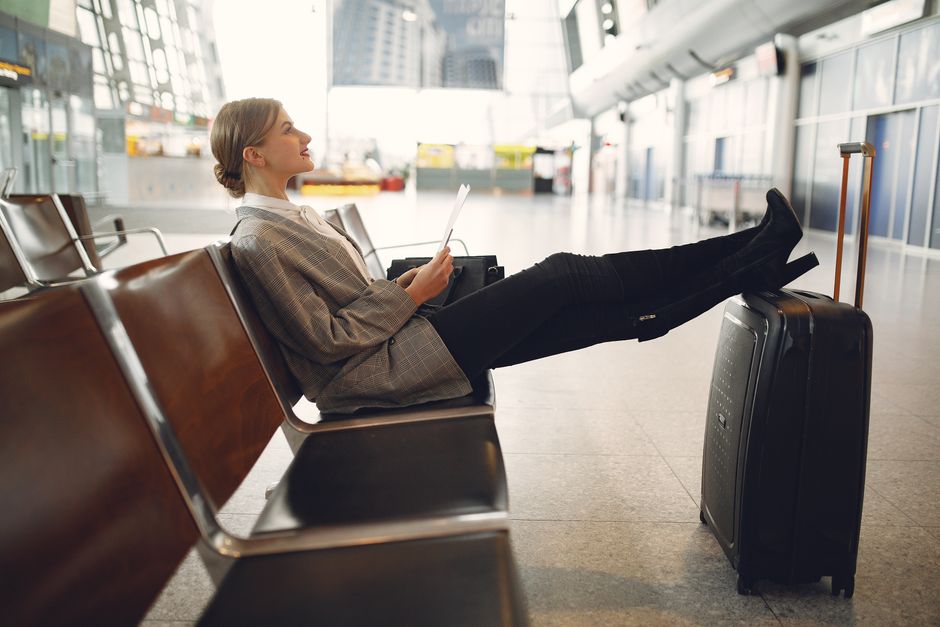
A long airport layover does not require a massage gun, a giant meal, or a pricey wellness kit. The bigger problem is simple: most travelers sit too long, eat too fast, and mistake a full stomach for steady energy. A short movement routine and two smart snacks work better.
Why Long Layovers Make You Stiff and Tired
The first myth is that airport discomfort comes from the flight alone. It often starts during the layover, when travelers spend 90 minutes in the same chair with one ankle tucked under the other leg. Your joints move less, your calves stay still, and your back holds one shape for too long. That combination can leave you feeling heavy before the next boarding call.
Sitting still is the real problem
Most adults take far fewer steps during a layover than they expect. Walking to the gate, standing in a security line, or carrying a bag does not replace repeated movement breaks. The useful target is modest: stand or walk for two to five minutes every 30 to 45 minutes. You do not need a workout. You need regular changes of position.
Movement also helps you judge hunger more accurately. Airport boredom can feel like hunger, especially when a food court is close by. Drink some water, walk once around the gate area, then decide what to eat. That pause cuts down on impulse purchases and oversized meals.
Why a huge meal can backfire
A large meal before another flight may sound sensible, but greasy food and large portions can make sitting feel worse. A heavy meal also creates a long gap before your next useful source of energy. The better plan is a moderate snack with protein or fat, a source of carbohydrate, and enough water to prevent thirst from masquerading as hunger.
Verdict: Treat the layover as a movement break with food support, not as dead time between two flights.
The 8-Minute Airport Stretch Routine That Works
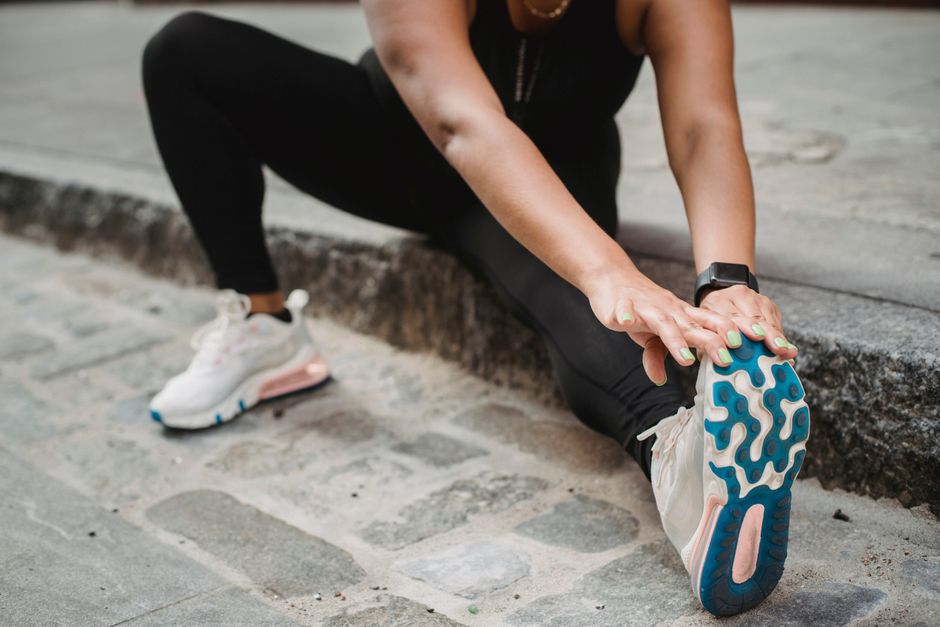
Do this routine beside your gate, in a quiet corridor, or near the baggage area. Keep your bag on the floor or ask a companion to watch it. The goal is to restore comfortable movement, not to force a deep stretch.
- Walk for 60 seconds. Take a relaxed lap around the gate area. Let your arms swing and keep your steps easy.
- Raise your heels 15 times. Hold a wall or seatback if needed. Lift both heels, pause briefly, then lower them slowly.
- Circle each ankle 10 times. Lift one foot slightly and make controlled circles in both directions. Repeat on the other side.
- Open the hips for 30 seconds per side. Step one foot back, bend the front knee slightly, and keep the back heel lifted. Shift your weight forward until you feel a mild stretch at the front of the rear hip.
- Open the chest for 30 seconds. Clasp your hands behind your back, or place your hands on your hips, and gently draw your shoulders down.
- Turn your neck five times per side. Look over one shoulder, return to center, and switch sides. Keep the movement slow.
How hard should the stretch feel?
Use a light pull, not pain, tingling, or numbness. Do not bounce. Stop if a movement causes sharp pain, dizziness, or unusual weakness. Travelers with a recent injury, surgery, or medical condition should follow their clinician’s advice instead of copying a generic airport routine.
When walking beats stretching
Walking is the better choice if your gate area is crowded or your legs feel restless rather than tight. Take a 10-minute indoor walk, return before boarding begins, and use the calf raises at the gate. Frequent small movements beat one aggressive stretch at the end of a four-hour wait.
Which Layover Snacks Keep Energy Steady?
My pick is a two-part snack: one protein-rich item plus one fruit or grain-based item. That combination is more useful than a single candy bar because it gives you quick carbohydrate along with a slower source of energy. The products below are common examples, not medical prescriptions. Prices are typical U.S. retail prices and can be higher inside an airport.
| Snack | Useful details | Best use | Typical price |
|---|---|---|---|
| RXBAR Chocolate Sea Salt | 1.83 oz bar; 12 g protein | Long layovers when you need a compact, filling option | About $2.29 |
| Chomps Original Beef Stick | 1.15 oz stick; about 10 g protein | Pairing with fruit when you want a savory snack | About $2.49 |
| KIND Dark Chocolate Nuts & Sea Salt | 1.4 oz bar; nuts provide fat and crunch | A smaller snack before a short connection | About $2.49 |
| That’s it. Apple + Blueberry Bar | 1.2 oz fruit bar; simple travel format | Adding carbohydrate to a protein snack | About $1.99 |
| Justin’s Classic Almond Butter | 1.15 oz squeeze pack | Pairing with an apple, crackers, or oatmeal | About $1.99 |
The best airport pairing
For an overnight connection or a layover longer than three hours, choose the RXBAR Chocolate Sea Salt with a piece of fresh fruit. For a lighter snack, choose the Chomps Original Beef Stick with the That’s it. Apple + Blueberry Bar. The point is not to find a perfect bar. It is to avoid arriving at the next gate so hungry that you buy the first expensive meal you see.
What to check on the label
Look for a snack that you will actually finish, a package that will not leak, and enough protein or fat to complement its carbohydrates. Check the sodium if you are sensitive to salty foods, and avoid a product with ingredients that have caused you trouble before. Portability matters as much as nutrition when your food may sit in a backpack for six hours.
Airport Snack Mistakes That Leave You Worse Off
Most layover food mistakes are predictable. The strongest recommendation is simple: buy for the next flight, not for the emotion of being stuck at the airport.
Skip these four common mistakes
- Buying only sugar. A pastry or candy can provide quick energy, but it may leave you hungry again soon. Add nuts, yogurt, cheese, or a protein bar when available.
- Choosing a giant portion. A large sandwich may look like value, but it can feel uncomfortable during another long period of sitting. Save half for later if the food travels safely.
- Trying a new product before a flight. Do not test an unfamiliar spicy snack, supplement, or high-fiber bar when you will be sealed inside an aircraft. Use foods your stomach already knows.
- Ignoring security and storage rules. Solid snacks are usually easy to carry, but liquids, gels, and large spreads may face screening limits. Airport rules and local customs rules can differ, so check before packing.
When not to buy the popular choice
Do not buy the KIND Dark Chocolate Nuts & Sea Salt bar if nuts or chocolate make you thirsty, uncomfortable, or unable to sleep. Skip the Chomps Original Beef Stick if you want a low-sodium option. Skip the RXBAR if its dense texture makes it hard to eat quickly. In each case, a plain banana, oatmeal cup, or familiar sandwich may serve you better.
The best snack is the one that fits your stomach, timing, and next destination. A product with impressive numbers is still a bad choice if you will not eat it.
Should You Stretch or Eat First? Three Layover Questions
Should I stretch before eating?
Yes, if you have been sitting for more than 45 minutes and feel stiff. Walk for two minutes, complete the calf raises and hip stretch, then eat. That sequence helps you separate physical restlessness from real hunger.
What should I do during a short connection?
For a layover under 60 minutes, skip a full routine. Walk directly to the next gate, refill your water if time allows, and eat a compact snack only if you missed a meal. The Chomps stick, an apple, or a familiar bar is easier to manage than a hot meal.
What should I do during a four-hour layover?
Break the wait into two movement blocks. Walk for 10 minutes during the first half, eat a moderate snack, then repeat the eight-minute routine about 45 minutes before boarding. Avoid lying down in a curled position for the entire wait, and keep the final meal smaller if you expect turbulence or a late-night arrival.
Do not chase perfect travel nutrition. Build a repeatable plan: move every 30 to 45 minutes, carry one familiar protein option, add fruit or grains, and stop eating when you feel comfortably satisfied. The single most important takeaway is to pair frequent light movement with a familiar two-part snack before airport boredom turns into stiffness and an expensive impulse meal.