
Most adults do not spend a week in the Alps learning to ski. They spend two days falling, two days panicking, and one day wishing they had booked better lessons. The problem is not age. The problem is treating ski school like a normal holiday activity.
First-timer ski lessons for adults work best when the week has a plan: the right resort, a sensible class size, warm clothing, and enough recovery time. Here is what the schedule really looks like, what costs money, and where beginners make expensive mistakes.
What an Alpine ski lesson week actually looks like
The five-day timetable
A normal adult beginner course runs for two to four hours each morning or afternoon. The rest of the day is not free skiing. It is recovery, practice on easy terrain, lunch, and repeated attempts at the same basic movement.
| Day | Main lesson focus | What you can realistically do |
|---|---|---|
| Day 1 | Boots, balance, stopping | Walk in equipment and control speed on a flat beginner area |
| Day 2 | Snowplough turns | Link slow turns on a nursery slope |
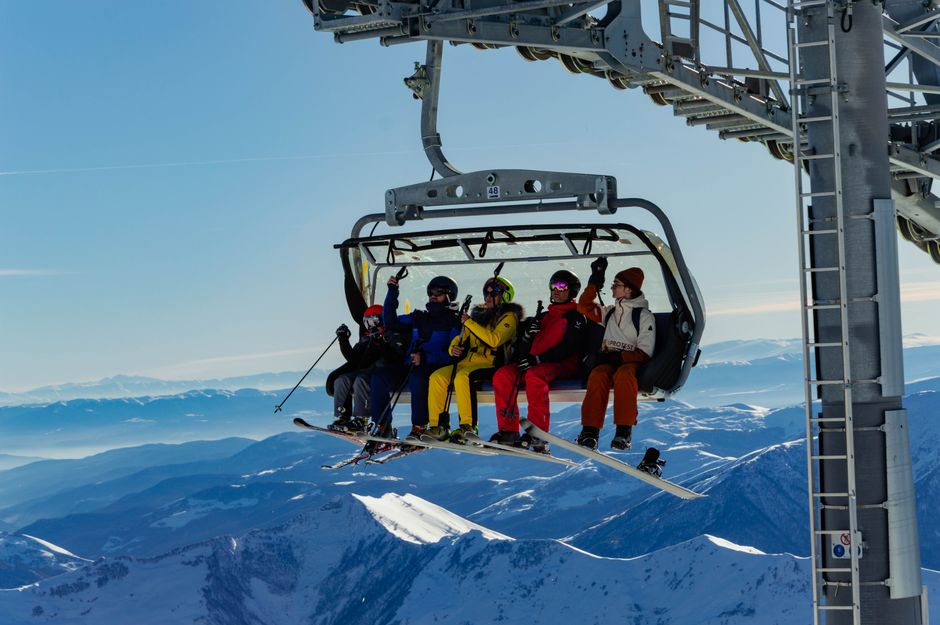
| Day 3 | Chairlift and steeper turns | Ride a beginner lift and manage a longer blue run |
| Day 4 | Parallel-ski preparation | Reduce the snowplough on gentle terrain |
| Day 5 | Confidence and route choice | Repeat safe blue runs with fewer stops |
The hidden work between lessons
Your legs will feel worse than expected after day one. Ski boots restrict ankle movement, and beginners use their thighs constantly to control speed. Plan a proper lunch, drink water, and avoid a late night before the next lesson. A short afternoon practice session helps, but two extra hours of exhausted solo skiing usually makes technique worse.
The realistic goal is not elegant parallel turns by Friday. It is controlled speed, reliable stopping, and enough confidence to choose terrain without getting trapped. That is a successful first week.
How to choose the right resort and lesson format
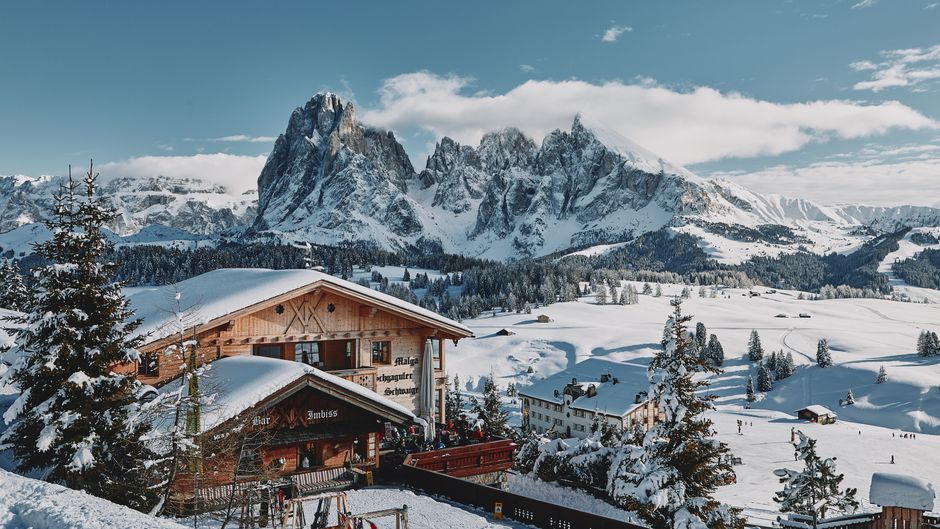
Choose the ski school before choosing the hotel. A cheap room in a resort with one crowded nursery slope is a poor deal for a beginner. A slightly more expensive base with several gentle areas, short lift queues, and English-speaking instructors will produce a better week.
Group lessons suit most first-timers
Group lessons are the best value when the class has four to eight adults at a similar level. Ask the school how it defines beginner level. Some schools place anyone who has stood on skis into the same class, while others separate people who have never used a chairlift from skiers who can already link turns.
ESF remains a sensible choice in French resorts because it has large local coverage and clear level bands. New Generation Ski School is stronger for English-speaking visitors who want smaller groups in selected French and Swiss resorts. Neither name guarantees a good instructor, so check the maximum class size and meeting point before paying.
Private lessons fix specific problems faster
Book private tuition when fear, an old injury, a language barrier, or an awkward schedule will hold you back. A two-hour private lesson on the first morning can also save a week if the instructor fixes boot fit and stance immediately. Evolution 2 is a useful option in several French resorts for private and small-group teaching, but availability and pricing vary by location.
Do not buy private lessons simply because they sound premium. If you need repetition and social encouragement, a calm small group often beats one intense hour with an instructor who moves too quickly.
Why the first two days feel harder than expected
Fear changes the way you stand
The first lesson feels strange because your body wants to lean uphill and lock the knees. That instinct makes the skis accelerate. Instructors keep saying bend your knees and move forward because your shins need steady contact with the boot tongue. It feels aggressive at first. It is actually the position that lets you steer.
Do not judge progress by distance. A beginner who stops safely ten times has learned more than a beginner who slides to the bottom once and cannot slow down.
The skill ladder matters more than bravery
Your early sequence should be simple: balance on flat skis, glide, stop, turn left, turn right, link turns, then ride a lift. If one step is missing, the next slope will expose it. Ask the instructor to repeat a drill instead of silently following the fastest person in the group.
The best first-week result is boring competence. You can control speed, recover after a mistake, and say no to a run that is too steep. That foundation beats chasing a red run for a holiday photograph.
What to rent, buy, and leave at home
Rent skis and boots for the first week
Renting removes the worst beginner mistake: buying equipment before learning what fits. Ask for an easy piste ski with a moderate waist and a boot that holds your heel without crushing your toes. The Rossignol Experience 76 and Salomon S/Max 6 are examples of accessible piste setups with a 76 mm waist. The exact model matters less than correct length, edge condition, and boot fit.
- Tell the rental technician your height, weight, ability, and where you expect to ski.
- Stand in the boots for at least ten minutes before accepting them.
- Your toes may touch the front when standing upright, but your heel must not lift when you bend forward.
- Return for an adjustment if numbness, sharp pressure, or heel movement appears.
Buy the layers, not the skis
Spend money on a waterproof jacket, waterproof trousers, thin wool or synthetic socks, goggles, and gloves. Avoid cotton. It stays wet and cold. A Smith Scout MIPS helmet is a sensible example of a recreational helmet with impact-protection technology, but any correctly fitted certified helmet is better than a fashionable loose one.
Leave stiff expert boots at home. The Atomic Hawx Prime 100 has a 100 flex rating and suits stronger intermediate skiers more than a person on lesson one. Beginner equipment should make movement easier, not prove that you have serious intentions.
Five mistakes that waste an adult beginner ski week
- Booking the cheapest lesson. A low price means little if the class has twelve people, meets twenty minutes from the lift, or runs at a time that clashes with the beginner area opening.
- Skipping the first morning. Travel delays happen, but missing the first lesson means missing boot checks, safety rules, and the class assessment. Arrive the night before when possible.
- Using pain as proof of progress. Sore muscles are normal. Numb toes, sharp shin pain, and a boot that causes bruising are equipment problems. Fix them immediately.
- Following friends onto harder terrain. A friend who skis well cannot replace an instructor. Your friend may remember the route but not the pressure, visibility, or fear you are feeling.
- Practising speed instead of control. Pointing downhill feels like progress because the skis move faster. It is not progress. Repeat slow linked turns until stopping feels automatic.
One more mistake deserves attention: filling every evening with dinners, drinks, and long transfers. Your first ski week uses muscles in unfamiliar ways. Recovery is part of the lesson, not wasted holiday time.
When group lessons are the wrong choice
Should nervous adults book private tuition?
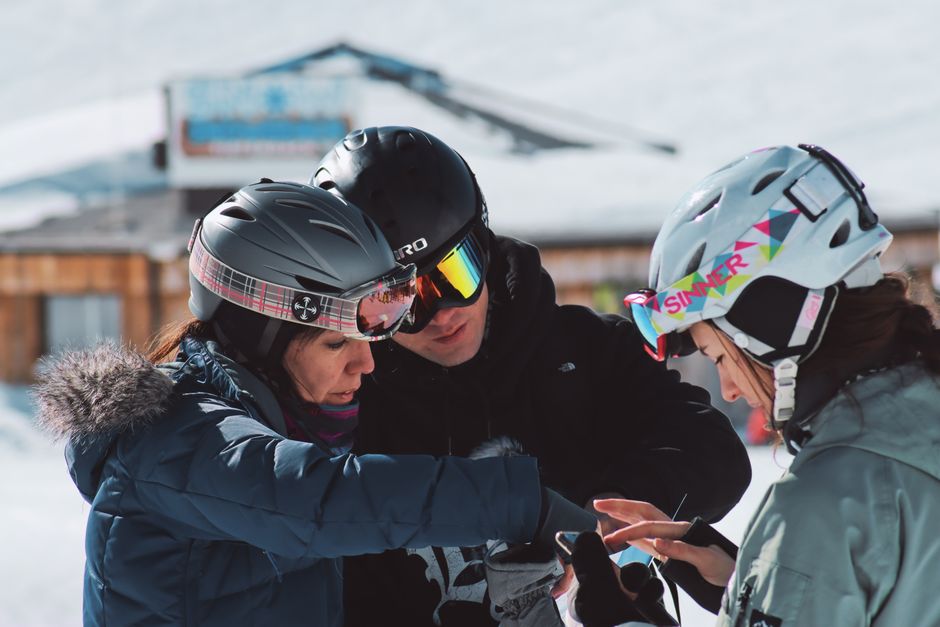
Yes, if fear prevents you from attempting the exercises or if you need the instructor to adapt every drill. Private tuition is also the clear choice for adults returning after an injury, adults with limited mobility, and couples whose ability levels are far apart. The lesson can stop when your technique breaks down instead of forcing you to match a group timetable.
Should couples or friends share one private lesson?
Only when both people have similar ability, fitness, and goals. A confident skier paired with a nervous beginner creates a bad lesson for both. The confident person waits, while the beginner feels watched and rushed. Split the lesson or join separate small groups.
When should you skip the Alps entirely?
Skip the trip if you expect to ski hard for six days without rest, cannot tolerate cold or steep walking in ski boots, or have an untreated knee or back problem. A local indoor slope or dry-slope course can teach the basic stance before you spend money on flights and accommodation. For a short three-day trip, private lessons usually beat a five-day group course because every hour must count.
The right format is the one that removes the problem blocking progress. Paying more is sensible when it buys focused instruction. Paying more for status is pointless.