
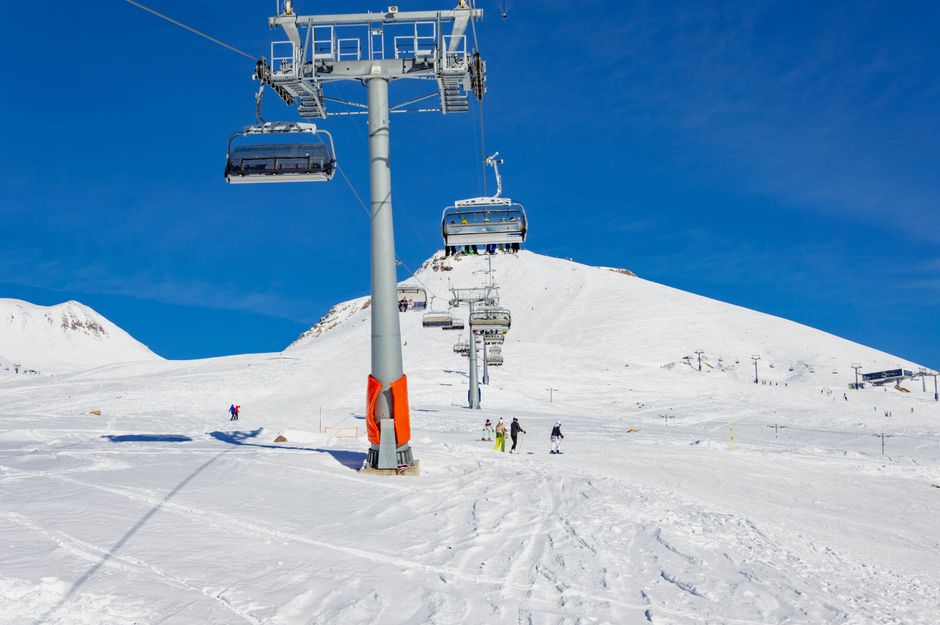
Want a family ski week in the Alps that feels like a holiday rather than a logistics exercise? The winning formula is simple: choose a resort with easy transfers, book lessons before flights, and leave enough space in the timetable for tired children, bad weather and slow mornings.
February half-term is the busiest and most expensive ski period for British families. That makes small planning errors expensive. A hotel far from the lifts can add an hour of walking every morning. A late Saturday arrival can turn dinner into a queue for takeaway food. A resort with one narrow beginner area can leave new skiers frustrated by day two.
The best plan gives priority to short transfers, reliable childcare and a walkable base. Powder quality matters, but it comes after those three points.
When should you book a February half-term ski trip?
How early should a family book?
Book the core elements six to nine months ahead: accommodation, flights or rail, airport transfers, ski school and equipment hire. February half-term rooms in the most convenient villages disappear first, especially apartments sleeping four to six people. Waiting for a late deal may save money on a basic room, but it rarely produces a better location. For a family with beginners, the location is worth more than a small discount.
Which dates create the most pressure?
British school holidays do not line up perfectly. England and Wales usually take different dates from Scotland, and private schools may use a shorter or earlier break. Check the exact school calendar before searching for flights. A one-day shift can change the price and availability of the whole trip. Saturday-to-Saturday stays remain common, but Sunday-to-Sunday accommodation can create a calmer airport experience and sometimes costs less.
What should be booked first?
Secure the bed and the lessons before the extras. A family apartment within a ten-minute walk of the ski school is more valuable than a larger apartment on the edge of the resort. Ask the ski school to confirm the meeting point, start time and minimum age in writing. Then book equipment hire near that meeting point. Flights come next, followed by transfers and lift passes.
For 2026 planning, set a price ceiling before you search. Include luggage, transfers, lessons, equipment, food and a bad-weather activity. Families often compare only the headline room price and discover later that the cheap option needs a costly taxi, locker rental and daily shuttle.
Which Alpine resort is easiest for a family week?
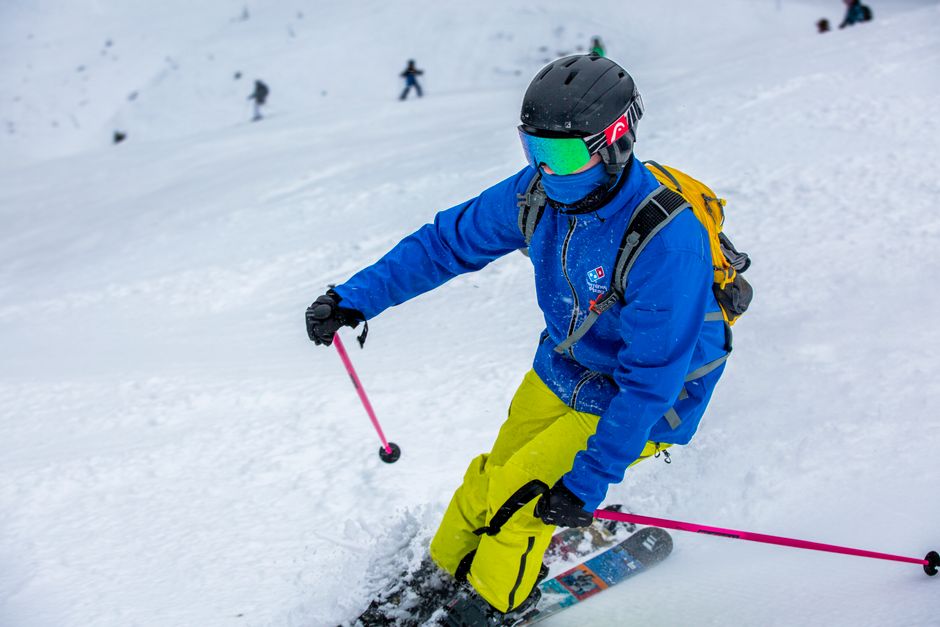
For most families, Les Arcs is the best all-round choice. The Bourg-Saint-Maurice funicular gives the resort a clean arrival route from the valley, several villages have ski-in access, and the linked terrain includes gentle pistes as well as harder skiing. It is not the prettiest village choice in every part of the area, but it removes several daily problems.
| Resort | Best feature | Main drawback | Best family verdict |
|---|---|---|---|
| Les Arcs | Fast funicular from Bourg-Saint-Maurice and varied terrain | Some villages feel purpose-built rather than traditional | Best for simple arrival and mixed ability |
| Avoriaz | High, car-free village with ski-in access | Snow access from the car park can be awkward with luggage | Best for families who want to avoid road traffic inside the resort |
| La Plagne | Many village styles and broad beginner areas | Long internal transfers between villages | Best when the accommodation sits close to a lift |
| Les Gets | Friendly village atmosphere and good non-ski activities | Lower village altitude can make snow conditions less consistent | Best for younger children and village life |
| Alpe d’Huez | High base, strong sun exposure and a large ski area | Road transfers can be long on busy changeover days | Best for confident skiers who value altitude |
How close should the accommodation be?
Use a ten-minute rule. Choose accommodation within ten minutes on foot of the ski school, a lift and a food shop. A ski-in, ski-out label is useful, but it can hide a steep path, a long traverse or a lift designed for strong skiers rather than beginners. A flat route to the meeting point beats a dramatic slope outside the door.
Which resort should beginners avoid?
Do not choose a huge linked area just because it has the most piste kilometres. A family with two first-time skiers may use only one nursery slope and two easy lifts during the first three days. A compact base with a clear beginner zone can produce a better week than a famous resort with a complicated lift network. Les Arcs wins the broad comparison, but Les Gets is the stronger pick for a family that values a low-pressure village and does not need maximum altitude.
How can you make the arrival day less exhausting?
The verdict
Arrive before dinner, not after it. A family that reaches the resort at 4 p.m. can collect keys, buy breakfast, fit boots and eat a proper meal before bed; a family that arrives at 9 p.m. starts the first ski morning already behind. The most reliable plan is a morning flight or train, a pre-booked transfer with child seats, and accommodation that accepts luggage before check-in, because this turns the first day into a gentle setup period instead of a race through unfamiliar streets with helmets, suitcases and hungry children.
The booking move
Build a two-hour buffer between the scheduled landing time and the transfer departure you are willing to accept, then add another hour before the first planned activity in the resort. Snowy roads, baggage delays and equipment queues are normal during February half-term, so a tight connection is a false saving. Book a private transfer for very young children or a group carrying bulky equipment; shared transport works best for families who can accept a later departure and a longer route. The clear winner is a Sunday arrival when the accommodation allows it, because Saturday roads and airport queues are usually at their worst.
How should you structure the week around tired children?
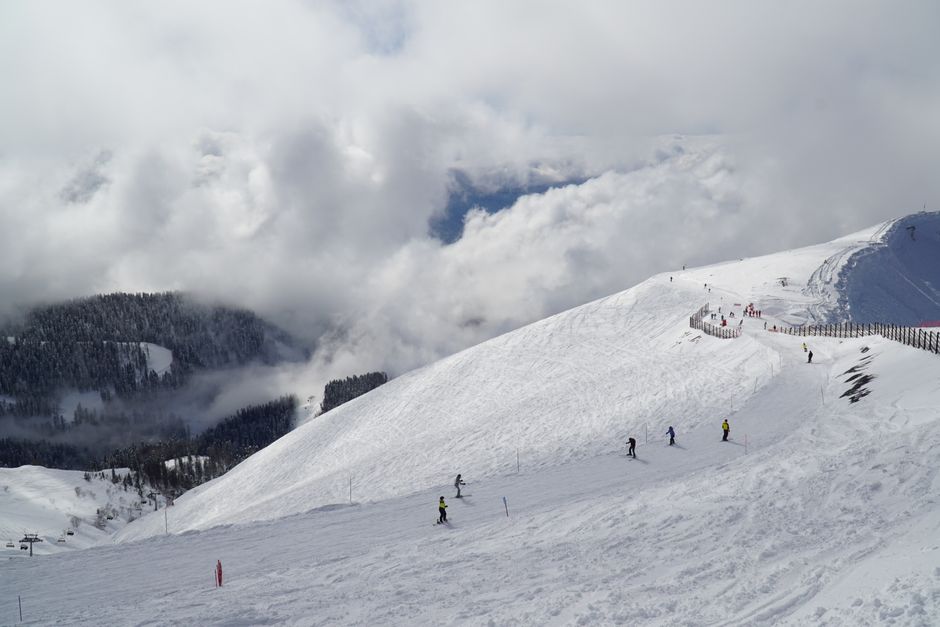
Do not treat seven nights as six full ski days. The best family schedule protects energy early in the week, then adds more skiing after everyone understands the terrain and routine.
- Day one: settle in. Collect keys, find the ski school meeting point, measure boots and buy simple food for breakfast. Do not add a late ski lesson after a travel day.
- Day two: start small. Book a morning lesson or a short family session. Keep the afternoon flexible. First-time skiers often need a quiet hour after lunch to process new movements and unfamiliar equipment.
- Day three: repeat the easy route. Use the same lift and beginner piste until the children can stop, turn and load the lift without help. Repetition builds confidence faster than chasing a different run.
- Day four: split the group. One adult can ski with stronger children while another takes a beginner to a lesson or indoor activity. A family holiday does not require every person to make every run together.
- Day five: choose one ambition. Ski to a neighbouring sector, try a longer blue run or book a mountain lunch. Pick one target. Two ambitious plans usually mean rushed meals and arguments.
- Day six: protect the final memory. Stop before everyone is exhausted. Leave time for a pool, sledging, a village walk or a favourite restaurant. The final afternoon should feel like a reward, not a test.
Pack the day in the same order each morning: base layer, socks, clothing, helmet, gloves, goggles and lift pass. Store gloves and goggles in one labelled place overnight. These small routines save more time than trying to ski the first lift of the day.
Also plan one indoor option before the weather turns. A swimming pool, climbing wall, cinema or craft session gives parents a clear answer when visibility drops. The mistake is waiting until a storm arrives, then asking tired children to choose between activities while everyone is cold.