
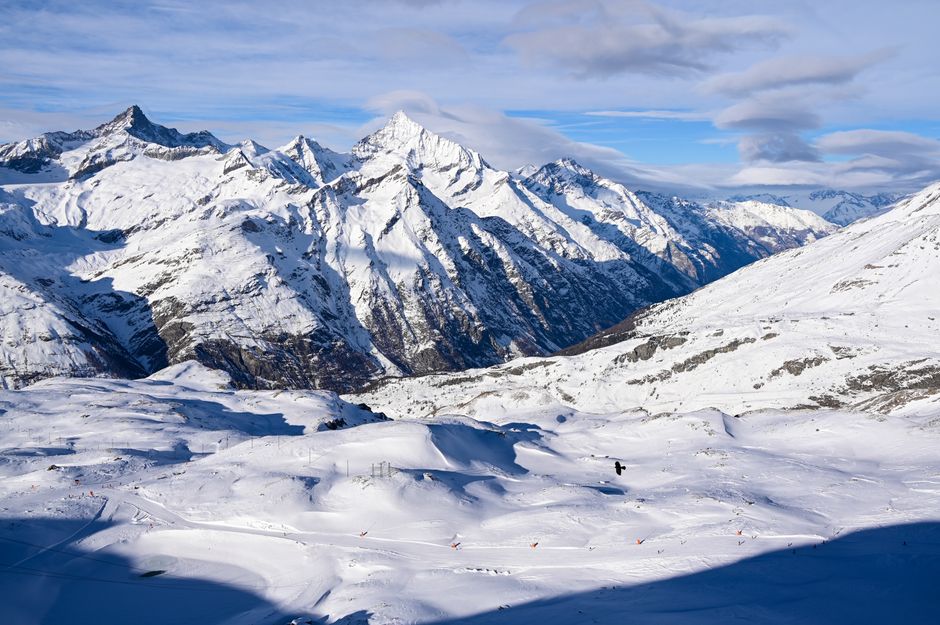
You arrive at a European ski resort in mid-March expecting soft spring snow and long sunny afternoons. The first cable car takes you above 3,000 metres, the wind rises, and the piste turns from firm corduroy to hard blue ice. That contrast is normal. March glacier skiing rewards early starts, realistic altitude planning, and a policy that covers piste rescue rather than just a delayed flight.
Which European glacier has the highest skiable terrain in March?
For maximum altitude, Zermatt leads the group. Its Matterhorn Glacier Paradise reaches about 3,883 metres, higher than the main glacier sectors at Tignes, Les 2 Alpes, and Hintertux. Height helps preserve snow, but it does not guarantee an open lift or pleasant skiing. Wind, cloud, avalanche control, crevasse risk, and visibility can close the highest runs on an otherwise good day.
How the main high-altitude areas compare
| Area | Highest point | March profile | Best use |
|---|---|---|---|
| Zermatt Matterhorn Glacier Paradise | About 3,883 m | Very high, exposed, weather-sensitive | Highest lift-served viewpoint and long linked itineraries into Italy |
| Tignes Grande Motte | About 3,656 m | Cold glacier sector with strong wind exposure | Reliable high-altitude training and piste laps |
| Les 2 Alpes Glacier | About 3,600 m | High glacier skiing plus a large vertical descent | Riders who want glacier snow and skiing down toward 1,300 m |
| Hintertux Glacier | About 3,250 m | Compact, frequently operating glacier area | A short, focused glacier trip with year-round lift-served skiing |
Which resort wins for a March trip?
Zermatt is the clear choice for the highest terrain and the biggest cross-border experience, but it is also the most exposed to wind and transport delays. Les 2 Alpes offers the strongest vertical contrast, while Tignes suits skiers who want repeated high-altitude laps within a compact sector. Hintertux is the practical choice for a short trip built around glacier access rather than a huge interconnected domain.
Check the lift map and live status each morning. A resort can advertise a top station at 3,883 metres while only lower lifts operate during a storm.
What does glacier snow feel like in March?
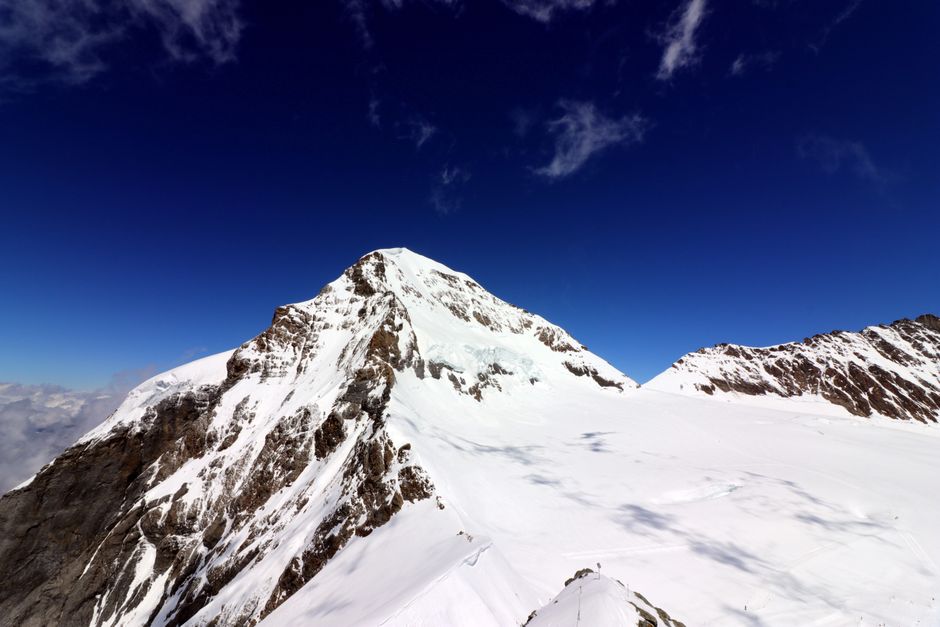
The best March glacier day often begins with a firm, fast surface. At 3,000 metres and above, overnight temperatures can keep the piste frozen well into the morning, even when the village feels mild. Lower slopes soften earlier as the sun reaches them, creating a moving boundary between edgeable snow and heavy spring snow.
Why high pistes ski better early
Groomers usually offer their cleanest grip soon after opening. The surface may feel icy for the first few runs, but sharp edges and controlled speed make it manageable. By late morning, traffic can scrape steep sections down to hard patches while flatter areas develop small piles of loose snow. Glacier terrain also has fewer trees and landmarks, so flat light can erase the difference between a roll and a steep pitch.
Use the first hour for technical skiing, not sightseeing. Keep your speed moderate until your eyes adjust, and take a short break before fatigue turns a simple traverse into a mistake.
When altitude becomes the bigger problem
At nearly 3,800 metres, air pressure is much lower than at sea level. The air still contains oxygen, but each breath delivers less of it. Visitors may notice a faster heart rate, headache, poor sleep, unusual tiredness, or nausea. Those symptoms can also come from dehydration, alcohol, sun exposure, or an aggressive first run, so do not diagnose yourself from a resort app.
Sleep at a lower village when possible, drink normally, avoid alcohol before the first high lift, and descend if symptoms worsen. A high station is not a test of fitness. The strongest skier in the group still needs to stop when coordination or judgment drops.
How should you plan a dependable glacier-skiing day?
My strongest planning rule is simple: build the day around the first reliable lift window, not the highest possible summit. Glacier weather changes faster than a resort brochure suggests, and the top lift may close while the lower mountain remains excellent.
A practical March schedule
- 07:00-08:00: Check the official lift status, wind forecast, avalanche bulletin, and road or rail alerts. Look for the opening time of the exact glacier lift, not just the resort headline.
- 08:30-09:30: Start on a groomed piste at mid-mountain. Use the run to check visibility, edge grip, and how your body reacts to altitude.
- 09:30-11:30: Move higher if the glacier lifts are open. Ski shorter laps, keep a clear meeting point, and do not follow a rope line into unmarked terrain.
- 11:30-13:00: Descend toward lower elevations for a food break. South-facing pistes may be softer, while shaded slopes can stay firm.
- 13:00-15:00: Choose lower or sheltered runs. Stop before heavy snow, poor visibility, or tired legs create a rescue problem.
- After skiing: Photograph any incident details, report injuries promptly, and keep receipts for transport or medical treatment.
What belongs in the day pack?
Carry a charged phone, spare gloves, goggles for low light, sun protection, water, and a paper or offline map. Examples of specific equipment include Smith I/O MAG goggles with an interchangeable lens system, Julbo Explorer 2.0 eyewear with a category 4 lens and side shields, and an Ortovox Diract Voice three-antenna transceiver for guided off-piste travel. Those are gear examples, not requirements for marked pistes; a transceiver does not make unguided glacier travel safe.
The key failure mode is packing for the village temperature. A mild 10°C afternoon in town says little about wind chill at 3,600 metres.
When is March glacier skiing the wrong choice?
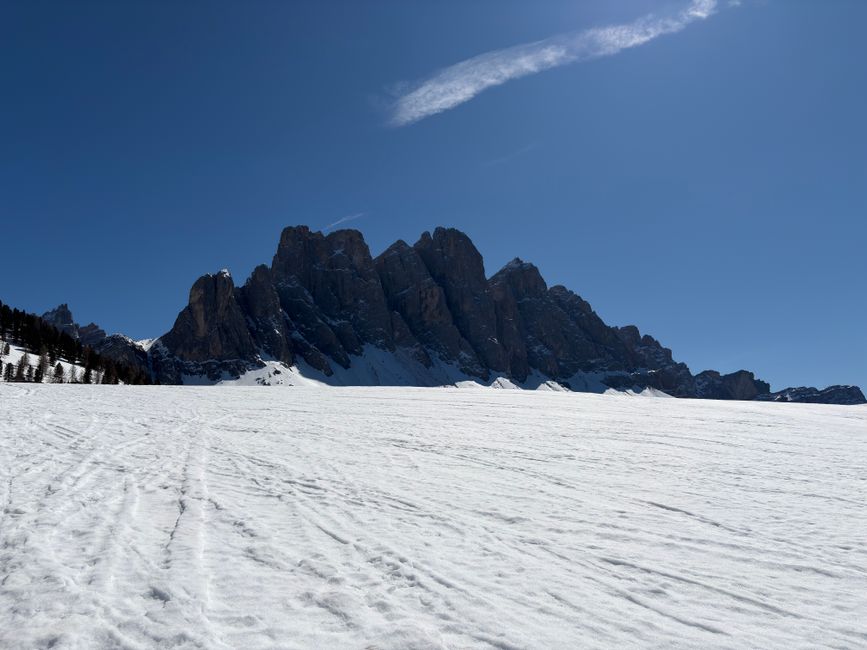
Choose a lower, larger resort instead if your trip has one non-negotiable goal: skiing every day in predictable visibility. The highest piste is a poor bargain when your group dislikes cold wind, cable-car queues, altitude, or changing terrain.
Five mistakes that ruin otherwise good trips
- Booking a one-day glacier visit on the final day before an international flight.
- Assuming the highest lift will operate because the resort is open.
- Starting at 3,800 metres after arriving from sea level and treating headache as normal.
- Buying cancellation cover without checking the definition of a covered snow or weather event.
- Leaving marked pistes without confirming rescue, guide, avalanche, and equipment terms.
Better alternatives for specific travelers
For beginners, choose a resort with a broad lower-mountain learning area rather than a famous glacier summit. For families, prioritize sheltered terrain, short transfer times, and indoor alternatives. For advanced skiers who want powder or touring, book a qualified local guide and a policy that states off-piste activity is covered. For a short March break, Hintertux or Les 2 Alpes can make more sense than a complicated cross-border itinerary; for the highest possible lift-served experience, Zermatt remains the clear pick, provided you accept weather-related uncertainty.