
I moved to Denver three years ago. My first batch of chocolate chip cookies came out flat, greasy, and raw in the center. The edges were burnt. I figured I’d grabbed old baking soda. Tried again with a fresh box. Same result. Then I tried boiling pasta for dinner. It took 12 minutes and still had a chalky bite. That’s when I learned: cooking at high altitude isn’t a minor tweak. It’s a completely different set of rules.
At 5,280 feet, water boils at 203°F instead of 212°F. That 9-degree difference changes every single cooking method you know. This article covers what I’ve learned from ruining dozens of meals up here. I’ll tell you exactly what breaks, why it breaks, and how to fix it. No vague advice. Just numbers and techniques that work.
Why Boiling Takes Longer and Still Undercooks Food
Most people think high altitude means food cooks faster because water boils sooner. That’s wrong. Water boils at a lower temperature, so the heat energy transferring to your food is lower. Your pasta, eggs, and vegetables spend more time in water that’s not hot enough to soften starches or denature proteins properly.
The 3°F Rule
For every 1,000 feet above sea level, the boiling point drops roughly 3°F. Here’s the real-world breakdown:
| Elevation (feet) | Boiling Point (°F) | Pasta Cook Time Increase |
|---|---|---|
| Sea level (0) | 212 | Standard (8-10 min) |
| 5,000 (Denver) | 202.6 | +2 to 3 minutes |
| 7,000 (Santa Fe) | 199.5 | +4 to 5 minutes |
| 10,000 (Leadville) | 194 | +6 to 8 minutes |
The fix isn’t just boiling longer. That makes pasta mushy on the outside, still hard inside. Instead, use a lid on your pot to trap steam and raise the temperature by a few degrees. Also, add salt after the water boils, not before — salt raises the boiling point slightly, but adding it early can slow the initial boil. For rice and dried beans, soak them for 4-8 hours before cooking to soften the starches. I use a Thermoworks Thermapen ONE ($99) to check water temp directly, because eyeballing bubbles is unreliable above 7,000 feet.
Baking at Altitude: The Three Main Failures
Baking is where high altitude really humiliates you. The lower air pressure lets gases expand faster, so your cakes rise too quickly, then collapse. Here are the three specific things that go wrong and exactly how to fix each one.
1. Over-expansion and Collapse
Above 5,000 feet, baking powder and yeast produce gas 30-40% faster. Your batter looks perfectly risen, then sinks into a dense, wet layer as it cools. Reduce leavening by 15-20%. If a recipe calls for 1 teaspoon of baking powder, use ¾. For yeast breads, cut the yeast by 25% and let the dough rise only until doubled, not until it looks puffy.
2. Excessive Moisture Evaporation
Dry air at altitude pulls moisture from batters and doughs faster. Your cookies spread too thin because the butter melts before the structure sets. Increase liquid by 2 tablespoons per cup called for in the recipe. Also bump oven temperature by 15-25°F to set the structure before the moisture escapes. I bake chocolate chip cookies at 375°F instead of 350°F, and they still come out thicker than my first attempt.
3. Sugar Concentration
Sugar weakens protein structure in eggs and flour. At altitude, that weakness is amplified. Reduce sugar by 1 tablespoon per cup for most cake and cookie recipes. For meringues and angel food cakes, reduce sugar by 2 tablespoons per cup and whip the egg whites to stiff peaks with a cream of tartar stabilizer — 1/8 teaspoon per egg white.
My go-to resource is the High-Altitude Baking book by Patricia Kendall, but the USDA’s free extension guide for Colorado covers all these ratios in table form. Print it and tape it inside your kitchen cabinet.
Pressure Cookers Are Your Best Friend (With One Catch)
Pressure cookers solve the low boiling point problem by increasing the pressure inside the pot, which raises the boiling temperature back up. At 10,000 feet, a standard stovetop pressure cooker at 15 psi will reach about 230°F instead of 250°F at sea level. That’s still hot enough to cook beans and tough meats in reasonable time.
But here’s the catch: most electric pressure cookers (like the Instant Pot) have a maximum pressure of 10-12 psi. At 8,000 feet, that means the internal temperature might only reach 220°F. You’ll need to increase cooking time by 20-30% for beans and grains. I use a Fagor Duo 8-quart stovetop model ($79 on sale) because it reliably hits 15 psi even at my elevation. For electric units, the Instant Pot Duo Plus 6-quart ($99) works fine if you add 5 minutes per 30 minutes of recipe time.
One specific failure: never fill a pressure cooker more than half full at altitude. The lower boiling point means more vigorous bubbling, and foam can block the pressure release valve. I’ve had chili foam shoot across my kitchen twice. Half full, and it’s rock solid.
Meat and Poultry: The Dry-Out Trap
Dry air at altitude pulls moisture from meat during cooking faster than at sea level. A roast chicken that’s perfectly juicy at sea level can come out like shoe leather at 7,000 feet. The problem isn’t just the dry air — it’s that the lower boiling point means meat spends more time in the “danger zone” (140-160°F) where moisture evaporates but collagen hasn’t broken down yet.
Brine everything. A 6% salt solution (60g salt per liter of water) for 4-12 hours before cooking adds moisture that stays put. For a whole chicken, I use a wet brine with 1/4 cup kosher salt per quart of water, plus a tablespoon of sugar. For steaks and chops, dry brine with salt 8 hours before cooking — the salt penetrates and holds moisture.
Also, cook meat to a lower internal temperature than you would at sea level. The carryover cooking effect is stronger at altitude because the temperature gradient is steeper. Pull a roast chicken at 155°F instead of 165°F — it will rise to 165°F during resting. For steaks, pull at 125°F for medium-rare instead of 130°F. Use a ThermoPro TP-20 dual-probe thermometer ($35) to monitor both the meat and the oven temp, because oven thermostats are notoriously inaccurate at high altitude.
Frying: The Temperature Lie
Deep frying at altitude is a disaster if you trust the dial on your fryer. The lower boiling point of water inside the food means moisture vaporizes faster, creating more bubbles and lowering the oil temperature more than expected. Your fries come out greasy because the oil temp dropped below 325°F and the food absorbed oil instead of forming a crust.
Set your oil 15-20°F hotter than the recipe says. If a recipe says 350°F, set your fryer to 365-370°F. I use a Cuisinart CDF-200 deep fryer ($79) with a digital thermostat, and I verify the oil temp with my Thermapen before dropping food. Fry in smaller batches — no more than a single layer — to prevent the temperature crash. For donuts and churros, reduce sugar in the batter by 10% to prevent burning, since the hotter oil will caramelize sugar faster.
One thing nobody warns you about: oil spatters more at altitude. The lower pressure lets bubbles expand larger before popping. Wear a long-sleeve apron or stand back. I learned this the hard way with a forearm full of 365°F canola oil.
When to Skip It and Eat Cold Food Instead
Not every dish is worth the altitude headache. Some recipes are fundamentally broken above 8,000 feet and no amount of tweaking fixes them well. Soufflés are borderline impossible — the egg foam expands too fast and collapses before the structure sets. I’ve tried six times. I stopped. Angel food cake also fails more often than it works unless you have a convection oven and a very precise scale.
Similarly, don’t attempt hard-cooked eggs in a pot of boiling water at altitude. The white sets before the yolk cooks through, and you get a green ring around the yolk from sulfur reactions. Instead, steam them in a pressure cooker for 5 minutes at high pressure, then quick-release. That gives perfect hard-boiled eggs every time.
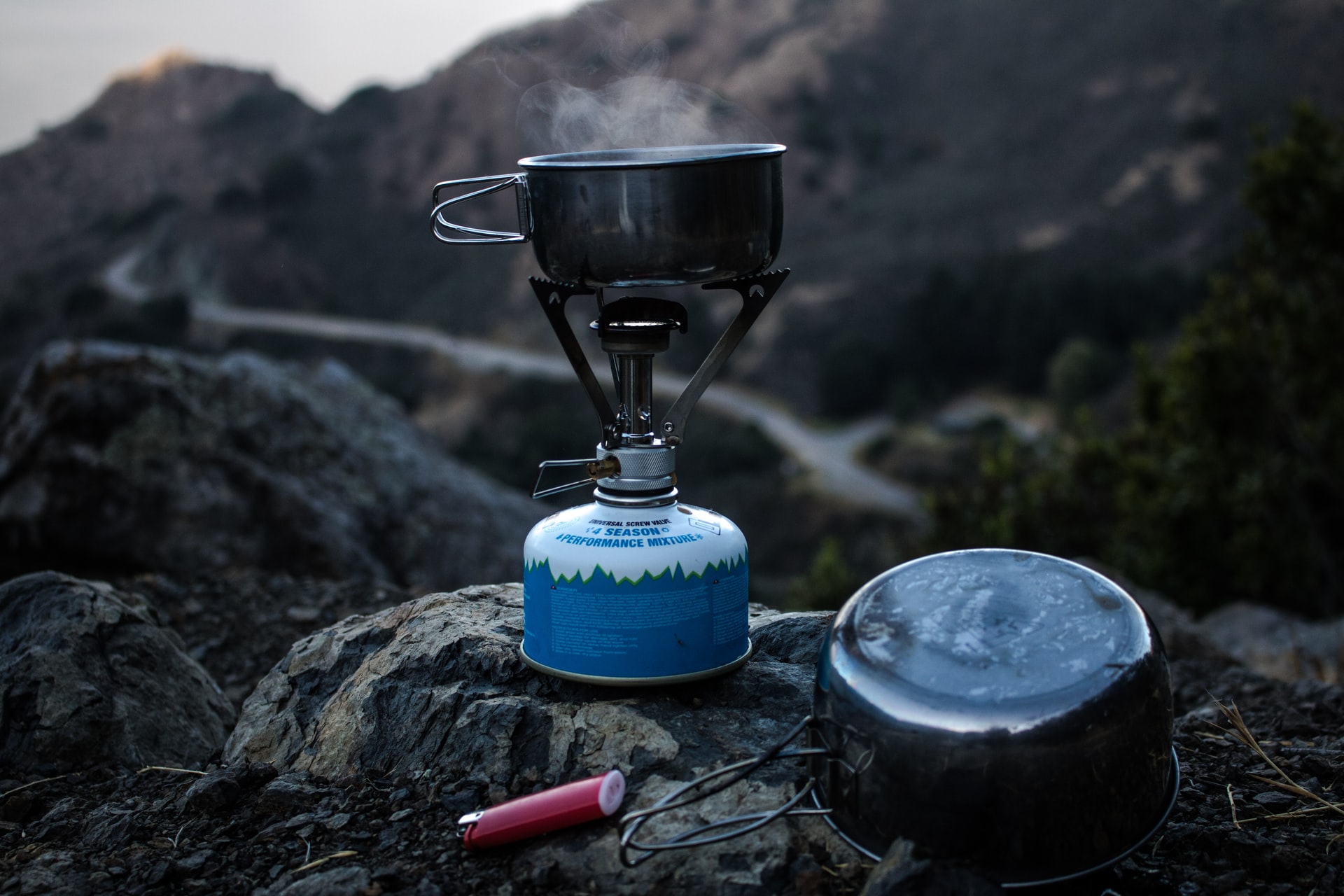
For camping or cabin trips above 10,000 feet, skip boiling entirely. Bring pre-cooked dehydrated meals that only need hot water, or use a Jetboil Flash ($89) with a heat exchanger — it’s more efficient at capturing the lower heat from boiling water. I carry a MSR PocketRocket 2 stove ($45) and a titanium pot for quick heating, but I only use it for coffee and rehydrating meals. Trying to cook raw pasta on a backpacking stove at 12,000 feet is a 30-minute ordeal that burns your fuel and gives you crunchy noodles.
That first batch of cookies I ruined? I finally got them right after six tries. They’re not as fluffy as the sea-level version. But they’re edible, they’re chocolatey, and they didn’t collapse. That’s the win at altitude — not perfection, but edible food that doesn’t make you miss your sea-level kitchen.