
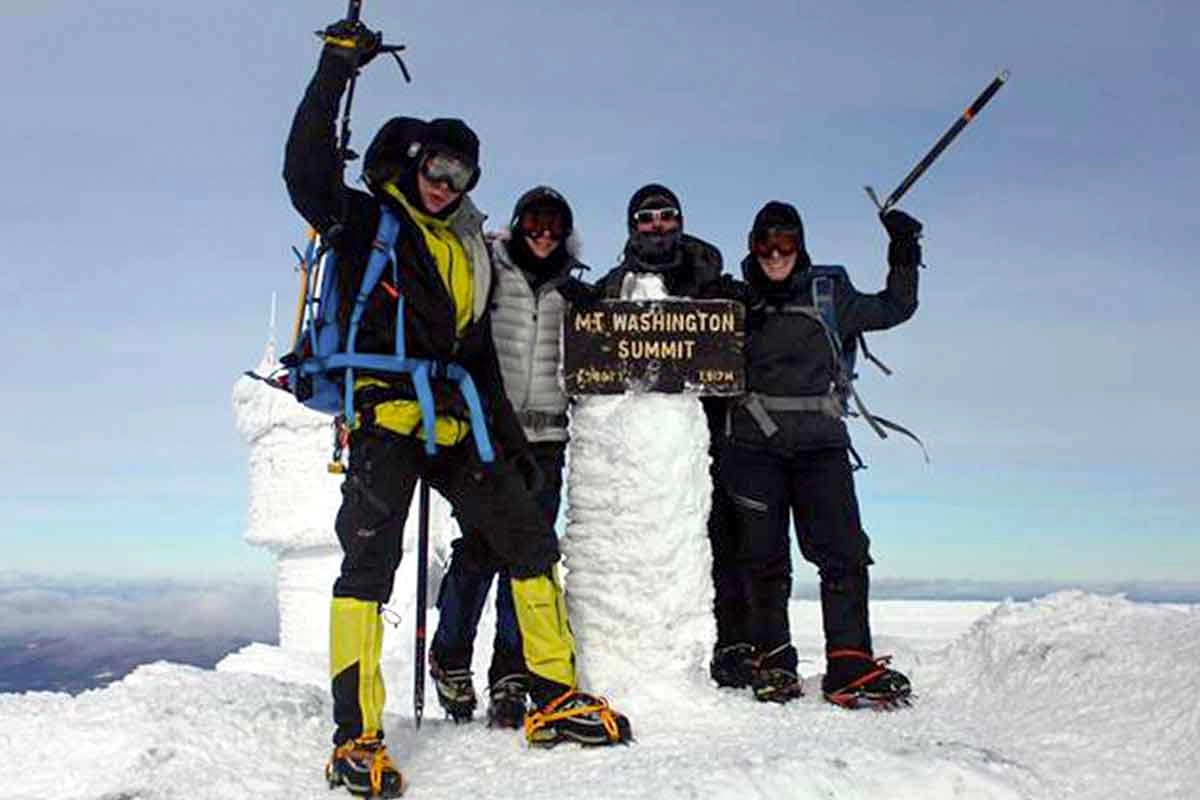
Footwear Essentials for High Peaks
Choosing the right footwear is crucial for alpine mountaineering. You want boots that offer warmth, support, and reliable crampon compatibility.
Mountaineering Boots: Single, Hybrid, and Double
| Boot Type | Description | Best For | Example Rating (Crampon) |
|---|---|---|---|
| Single | Lightweight, flexible, single layer insulation. | Summer alpine climbs, lower-altitude peaks | Usually B1 or B2 |
| Hybrid | Stiffer sole with some insulation, mid-weight. | Mixed conditions, moderate cold | B2 |
| Double | Two-layer design with removable liner for max insulation. | High peaks, extreme cold, long expeditions | B3 (best for high altitude) |
Recommendation: For high peaks, go for B2 or B3 rated boots to ensure your crampons fit well and you stay warm.
Crampons: Steel 12-Point with Anti-Balling Plates
- Steel 12-point crampons provide excellent grip on ice and hard snow.
- Anti-balling plates on the bottom prevent snow buildup underfoot, reducing slips.
- Fitting options:
- Step-in crampons: Fast and secure, need boots with welts.
- Strap-on crampons: Versatile, fit many boots but slightly less secure.
Choose crampons designed for high altitude and glacier travel—steel models last longer and offer reliable traction.
Gaiters: Essential Snow Protection and Durability
- Keep snow, ice, and debris out of your boots and pants.
- Protect pants from crampon damage—durable gaiters extend over boots.
- Look for waterproof, tough materials with good closure systems (Velcro + zipper).
Bottom line: Invest in B2/B3 rated alpine mountaineering boots, match them with steel 12-point crampons (preferably step-in for high peaks), and use solid gaiters to stay dry and protected. This gear combo is your foundation for safe, efficient climbing at altitude.
Technical Tools and Safety Gear
When gearing up for high peaks, having the right technical tools and safety gear is crucial.
Ice Axe: Choose the Right Type and Length
- General mountaineering ice axes are lighter and good for self-arrest and basic anchoring.
- Technical ice tools are curved, stronger, designed for steep ice or mixed climbing.
- Length guidelines:
| Type | Recommended Length | Use |
|————————|——————————|——————————–|
| General Mountaineering | Around 50-60 cm | Walking, arresting falls |
| Technical Ice Tools | Shorter, around 45-50 cm | Steep ice climbing |
Helmet: Protect Your Head
- Lightweight climbing helmets protect against rockfall, ice chips, and accidental knocks on alpine routes.
- Look for models with ventilation and comfort for long days.
Harness and Protection Rack
- Use lightweight alpine harnesses with gear loops but minimal bulk.
- A basic rack includes:
- Locking carabiners
- Slings / runners
- Belay device (ATC or similar)
- Prusik cords for crevasse rescue or backup
Rope Options for Glacier Travel
| Rope Type | Pros | Cons | Best Use |
|---|---|---|---|
| Single Rope | Simpler, lighter, easier to handle | Less redundancy in case of cuts | General alpine climbs and glacier travel |
| Half / Twin Ropes | More security, can reduce rope drag | More complex management | Crevassed glaciers, long descents |
Avalanche Safety Gear (For Glaciated or Snowy Routes)
- Beacon (transceiver): Essential for locating buried climbers.
- Probe: To pinpoint an avalanche victim’s location.
- Shovel: Durable, lightweight types with a metal blade.
Being prepared with these tools improves your safety and confidence on high alpine objectives. For a deeper dive into alpine environments and safety, check out this detailed overview of the alpine environment and the challenges it poses.
Clothing and Layering System for High Peaks
Choosing the right clothing and layering system is crucial for alpine mountaineering. Start with base layers made from moisture-wicking merino wool or synthetic fabrics, which keep sweat away while you move. Look for both tops and bottoms to maintain comfort throughout the climb.
For warmth during activity, mid-layers like fleece or synthetic insulation are ideal—they add heat without bulk. On top, bring a softshell jacket and pants that offer breathability and wind resistance, paired with a waterproof hardshell to shield you from snow and rain.
When it’s time to rest or at high camps, a lightweight down or synthetic puffy jacket provides vital insulation without weighing you down. Don’t forget your extremities: pack a layering system of gloves including liners, durable work gloves, and insulated winter gloves. A warm hat, buff, and balaclava protect against cold winds and sun exposure at altitude.
For your feet, choose socks designed for high-altitude climbs—they help manage moisture and prevent cold-related issues, which is key in preventing discomfort and injuries. Bundling these elements thoughtfully keeps you comfortable and safe on the mountain.
Balancing warmth, breathability, and weatherproofing is key—if you want tips on how to pack efficiently for your alpine adventure, check out this guide on 4 kept secrets to packing light.
Head, Eyes, and Hands Protection
Protecting your head, eyes, and hands is critical when tackling high alpine peaks. Glacier glasses or goggles are a must-have to shield your eyes from intense UV rays and prevent snow blindness. Look for models with full UV protection and side shields to block glare from all angles.
A reliable headlamp is essential for early alpine starts and emergency bivies. Choose a bright, long-lasting model with adjustable settings and comfortable straps. Having a dependable light source can make all the difference when navigating in darkness or poor visibility.
For more on staying safe in mountainous terrain, check out this detailed guide on safety matters in alpine environments.
Backpack and Carrying Systems
Choosing the right pack is crucial for alpine climbing. Aim for a 30-50L alpine pack that offers enough space without being bulky. Look for features like ice axe loops, reinforced straps, and a streamlined design that won’t snag on rock or ice. Durability is key—your pack should withstand harsh conditions without adding unnecessary weight.
When packing, think about your climb’s style:
- For multi-day ascents, you’ll need room for extra layers, food, and possibly bivy gear, so opt for a larger, more robust pack.
- For single-push efforts, prioritize a lightweight and compact pack to keep your load minimal and fast.
Balancing gear with weight improves efficiency and safety on high peaks. For more insights on managing your gear and packing efficiently, check out tips from the 7 tips and tricks to ensure your alpine adventure.
Navigation, Emergency, and Miscellaneous Items
When tackling high alpine peaks, having reliable navigation gear is a must. An altimeter watch helps track your elevation, while a map, compass, and GPS backup provide essential route guidance in case one tool fails. These basics ensure you stay on track in changing mountain conditions.
A well-stocked first aid and repair kit is crucial too. Pack blister care supplies, durable tape, and a multi-tool to handle minor injuries and quick gear fixes. These small items can save your trip if something goes wrong.
Sun protection is often overlooked but vital in alpine environments where UV exposure is intense. Bring high-SPF sunscreen and lip balm to prevent sunburn and chapped skin at altitude.
Stay hydrated and fueled with proper bottles—insulation sleeves help keep water from freezing in cold conditions. Along with your food, these essentials maintain your energy and focus for the climb ahead.
For more on packing essentials, see this detailed guide on 6 vital items you should put in your alpine pack.
High-Altitude Specific Additions
When tackling peaks over 5,000 to 6,000 meters, your gear needs to step up to handle extreme cold and harsh conditions. Warmer boots, often double boots designed for serious insulation, are essential. These keep your feet protected against frostbite and maintain comfort for long glacier days. An expedition down parka is another must-have—lightweight but ultra-warm, it provides vital insulation during belays and high camp stays. Don’t forget thicker, insulated gloves to keep your hands agile and safe from the cold.
If you plan on bivying or overnight stays, pack an emergency shelter and a lightweight sleeping system. These are lifesavers in sudden storms or unexpected delays in the mountains. Balancing weight and warmth is key, so choose your high-altitude gear carefully to maintain mobility without sacrificing safety.
For more tips on preparing your body and gear for tough alpine conditions, check out efficient ways to recover after strenuous activities, crucial when pushing your limits at high altitude.
Gear Selection Tips and Common Mistakes
When choosing alpine gear for high peaks, knowing where to spend your money can save you time and effort. Prioritize key items like mountaineering boots and your ice axe essentials—these are worth investing in for durability and safety, rather than renting. Other gear, such as clothing or some tools, can often be rented or borrowed when on a tight budget.
Always fit and test your gear in advance. This means wearing your boots with crampons and making sure your harness, gloves, and layers feel right before heading out. Proper fit isn’t just about comfort—it’s crucial for performance and safety at altitude.
Avoid common mistakes like packing too much. The ‘light is right’ philosophy is key: less weight means less fatigue. Focus on multipurpose items and lightweight technical gear to keep your pack manageable.
Lastly, consider sustainability and durability when buying gear. Modern alpine equipment often uses eco-friendly materials and is built to last, so opting for long-term quality pays off—both for your wallet and the environment.
For advice on physical preparation that complements your gear choices, check out these effective strength training tips for endurance.