
Planning a trip to Dubai? The first question on most travelers’ minds is often: when is the absolute best time to visit? Dubai offers something year-round, but specific months dramatically improve the experience, especially for outdoor activities. Your ideal timing depends on balancing weather, crowd levels, and budget. Avoid extreme heat and massive crowds by understanding the city’s distinct seasons.
What is Dubai’s “Peak Season” and Why it Matters
Dubai’s peak tourist season runs from roughly November to April. During these months, the weather is most pleasant, making outdoor exploration comfortable. This period sees clear skies, moderate temperatures, and minimal humidity. It’s perfect for visiting beaches, exploring historic neighborhoods like Al Fahidi, or enjoying a desert safari. However, this popularity comes with higher prices and larger crowds. Everything from hotel rates to flight costs, and even tickets for attractions like the Burj Khalifa, sees a significant increase.
December to February: Ideal Conditions
The sweet spot for weather in Dubai is from December through February. Daytime temperatures average a pleasant 25°C (77°F), dropping to around 15°C (59°F) at night. This is prime time for beach relaxation, golf, outdoor dining, and strolling through areas like City Walk or La Mer. Expect vibrant street life and bustling attractions. The city also hosts major events during this period, including the Dubai Shopping Festival, which draws even more visitors.
Navigating Peak Season Prices
Expect premium pricing during these months. Hotels can command double or even triple their off-season rates. Flights are also more expensive, especially around holidays like Christmas and New Year’s Eve. Booking well in advance is essential. For instance, securing a room at popular resorts like Atlantis, The Palm or Jumeirah Beach Hotel often requires reservations six months or more ahead for peak dates. Travel insurance, a smart financial choice for any trip, might also see slightly higher premiums during peak travel periods due to increased demand and perceived risk for cancellations. Consider providers like World Nomads or SafetyWing for comprehensive coverage options tailored to international travel.
Here’s a snapshot of what to expect:
| Month | Avg. Daytime Temp (°C / °F) | Crowd Level | Avg. Hotel Price Index (1-5, 5=Highest) | Primary Activities |
|---|---|---|---|---|
| November | 28°C / 82°F | Moderate-High | 4 | Beach, Outdoor dining, Desert safaris |
| December | 25°C / 77°F | High | 5 | Shopping Festival, Outdoor attractions |
| January | 24°C / 75°F | High | 5 | Shopping Festival, City exploration |
| February | 25°C / 77°F | High | 4 | Beach, Golf, Outdoor events |
| March | 28°C / 82°F | Moderate | 3 | Beach, Events, Water parks |
| April | 33°C / 91°F | Moderate-Low | 2 | Indoor attractions, Early morning outdoors |
The Shoulder Seasons: Balancing Weather and Cost
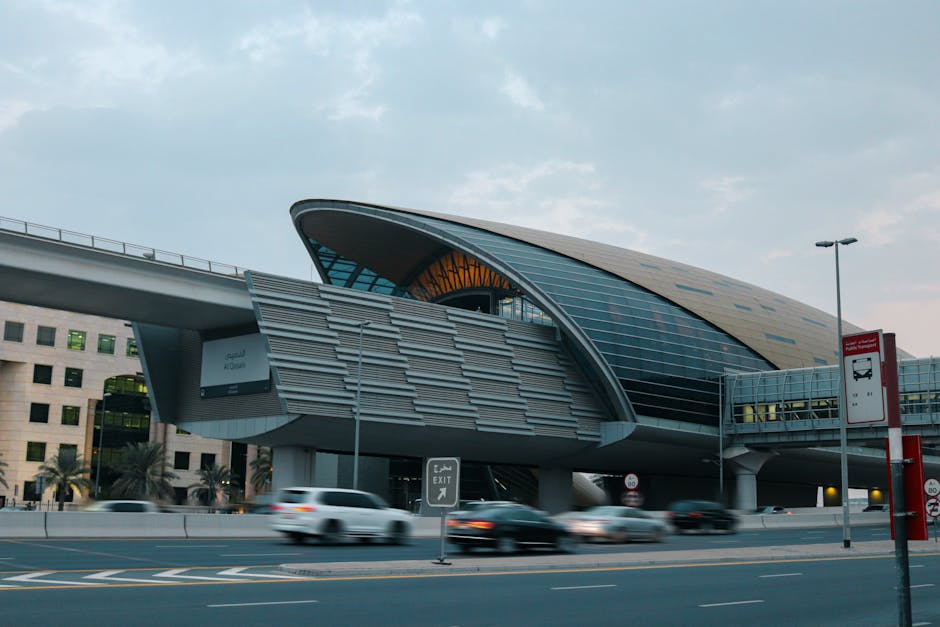
If avoiding the absolute peak crowds and prices is a priority, consider Dubai’s shoulder seasons. These periods offer a sweet spot, balancing pleasant weather with more manageable tourist numbers and often better deals on accommodations and flights. These months provide an excellent opportunity to experience Dubai’s luxury without breaking the bank, while still enjoying many outdoor activities.
March-April: Spring’s Sweet Spot
As winter fades, March and April bring warmer temperatures, averaging around 28-33°C (82-91°F) during the day. The humidity remains relatively low. This is still a fantastic time for many outdoor pursuits, particularly water-based activities like visiting Atlantis Aquaventure or Wild Wadi Waterpark. Beach days are still very enjoyable, especially in the mornings. You’ll find fewer crowds compared to December-February, which translates to shorter lines at popular attractions and slightly more relaxed dining experiences. Hotel prices begin to drop, offering better value. For example, a five-star hotel that cost $500/night in January might be closer to $350/night in April.
March often hosts the Dubai World Cup, a major horse racing event, which can temporarily increase hotel demand in specific areas. However, general tourism remains less intense than the deep winter months. The evenings are delightfully warm, perfect for rooftop dining or exploring the vibrant Souks without feeling chilly.
October-November: Autumn’s Gentle Arrival
The period from October to early November marks the beginning of Dubai’s cooler season. Temperatures gradually decrease from the summer highs, settling into a comfortable range of 28-32°C (82-90°F) during the day. Nights become cooler and more pleasant. This season offers an excellent transition, with the city slowly reawakening to outdoor life. Beaches become inviting again, and desert excursions are much more enjoyable than during the scorching summer.
Crowds are noticeably thinner than in the peak winter months. This means more space to explore the Dubai Miracle Garden or Global Village, which typically open in October. It’s a great time for travelers who want to enjoy good weather without the intense buzz of peak season. Flight and hotel prices are more competitive, though they begin to climb as November progresses and the winter rush approaches. Booking your trip for early October can yield significant savings while still enjoying very pleasant weather. For instance, a flight from London that might cost $800 in December could be found for $550 in late October. Telecom providers often offer seasonal deals on tourist SIM cards, so checking options from Etisalat or Du upon arrival can be beneficial.
Summer in Dubai: Is it Worth the Savings?
The short answer: Yes, summer in Dubai can be worth it for specific types of travelers, particularly those on a tighter budget or those primarily interested in indoor luxury. It demands a different approach to your itinerary, but the cost savings are substantial.
Dubai’s summer, from May to September, is characterized by extreme heat. Daytime temperatures frequently exceed 40°C (104°F) and can climb higher, often reaching 45°C (113°F) in July and August. Humidity also rises, making the heat feel even more oppressive. Outdoor activities become challenging, if not impossible, during the day. Walking outside for more than a few minutes is uncomfortable.
Extreme Heat: What to Expect
The intense heat means you will spend most of your time indoors or moving between air-conditioned environments. Sun exposure should be minimized, and hydration is critical. Public transportation, malls, and attractions are all heavily air-conditioned, providing refuge. Even evenings offer little relief, with temperatures often remaining above 30°C (86°F).
However, the upside is significantly reduced costs. Hotel rates can drop by 50% or more compared to peak season. Airfare also sees substantial reductions. For example, a luxury suite at a hotel like Address Downtown that costs $1,200 in January might be available for $400-500 in August. This makes summer an attractive option for budget-conscious travelers or those looking to splurge on luxury accommodations at a fraction of the usual price.
Indoor Activities and AC Comforts
Summer is prime time for Dubai’s world-class indoor attractions. Spend your days exploring the vast Dubai Mall, which includes the Dubai Aquarium & Underwater Zoo, or enjoying the indoor ski slopes at Ski Dubai in the Mall of the Emirates. Visit museums like the Museum of the Future, or indulge in retail therapy at any of Dubai’s numerous shopping centers, often featuring summer sales events. These retail promotions can offer significant savings on luxury brands and electronics, making it a compelling draw for shoppers.
Theme parks like IMG Worlds of Adventure and Motiongate Dubai offer extensive indoor sections. Many hotels also offer incredible pool facilities, often temperature-controlled to keep the water cool, making a refreshing dip possible even on the hottest days. Evenings are dedicated to indoor dining, shows at the Dubai Opera, or air-conditioned nightlife. A summer trip requires a shift in focus from outdoor exploration to experiencing Dubai’s opulent indoor lifestyle.
Avoiding Common Travel Mistakes: Budgeting and Booking

Visiting Dubai requires smart planning. Many common mistakes can be easily avoided with a little foresight, ensuring a smoother and more enjoyable trip. This includes financial considerations and staying connected.
- Book Flights and Accommodation Early: Especially if traveling during peak season (November-April). Popular hotels sell out, and flight prices escalate. Aim to book at least 3-6 months in advance for the best rates. Using flight comparison tools like Skyscanner or Google Flights can help track price trends.
- Consider Travel Insurance: This is non-negotiable. Travel insurance protects against flight cancellations, lost luggage, medical emergencies, and trip interruptions. Policies vary, but major providers like World Nomads and SafetyWing offer comprehensive plans tailored for international travel. It’s a small upfront cost that can save thousands in unforeseen circumstances. This falls under finance, ensuring your trip investment is protected.
- Currency Exchange and Payment Methods: Avoid exchanging large sums of money at airport kiosks; their rates are usually poor. Instead, use a travel-friendly credit card that offers no foreign transaction fees. Cards like the Chase Sapphire Reserve or American Express Platinum provide excellent exchange rates and often come with travel perks. Always pay in local currency (AED) if given the option to avoid Dynamic Currency Conversion (DCC), which adds hidden fees. For smaller purchases, carry some AED.
- Stay Connected with Smart Telecom Options: Roaming charges can be exorbitant. Consider purchasing a local SIM card upon arrival from providers like Etisalat or Du. They offer tourist packages with generous data and call allowances. Alternatively, for shorter trips or convenience, an eSIM is an excellent solution. Companies like Airalo or Nomad allow you to purchase a data plan digitally before you arrive, activating it instantly without swapping physical SIMs. This ensures you have internet access from the moment you land, crucial for navigation and ride-sharing apps.
- Understand Transportation Options: Dubai has an excellent public transport system, including the Dubai Metro, which is clean, efficient, and air-conditioned. Taxis are plentiful, and ride-sharing apps like Careem and Uber are widely used. Renting a car is an option, but traffic can be heavy, and parking challenging. Plan your daily commutes to save time and money.
- Respect Local Customs: Dubai is a progressive city, but it’s important to be mindful of local customs and dress codes, especially when visiting religious sites or during the holy month of Ramadan. Being aware of cultural norms enhances your experience and shows respect.
Key Events and Festivals: Timing Your Visit for Culture and Entertainment
Dubai’s calendar is packed with world-class events, from shopping extravaganzas to sporting competitions and cultural celebrations. Aligning your visit with specific events can significantly enhance your trip, offering unique experiences beyond typical sightseeing.
When is the Dubai Shopping Festival?
The Dubai Shopping Festival (DSF) is one of the biggest retail events globally, typically running from late December through January. This festival transforms the city into a shopper’s paradise. Expect massive discounts across malls and boutiques, along with daily raffles, fireworks, and live entertainment. For travelers keen on retail therapy, timing your visit during DSF is a must. Major brands from luxury fashion to electronics participate, offering substantial savings. It’s an opportunity to experience Dubai’s renowned retail scene at its most vibrant. However, be prepared for larger crowds, especially at popular shopping centers like The Dubai Mall and Mall of the Emirates.
How does Ramadan impact a visit?
Ramadan is the holy month of fasting observed by Muslims worldwide. Its exact dates shift each year according to the Islamic lunar calendar. During Ramadan, non-Muslims are not required to fast, but it’s important to be respectful of those who are. Eating, drinking, and smoking in public areas during daylight hours are generally prohibited. Many restaurants operate with adjusted hours, often opening only after sunset for iftar (the breaking of the fast). While daytime dining options may be limited, evenings during Ramadan offer a unique cultural experience with special iftar and suhoor meals, and a more spiritual, festive atmosphere after dark. Public entertainment may be more subdued. The end of Ramadan is celebrated with Eid al-Fitr, a major holiday with feasts and family gatherings, which can be a lively time to visit.
What about sporting events?
Dubai hosts several prestigious sporting events that attract international attention. The Dubai World Cup, a prominent horse racing event, usually takes place in late March. It’s a high-profile social occasion, combining thrilling races with fashion and entertainment. Golf enthusiasts might consider visiting in November for the DP World Tour Championship, bringing top golfers to the Earth Course at Jumeirah Golf Estates. These events offer a different facet of Dubai’s luxury and entertainment scene. Planning around them means booking accommodation well in advance, especially near the venues, as demand will surge. Traffic can also be heavier on event days.
Are there art or music events?
Dubai’s cultural calendar also includes significant art and music events. Art Dubai, an international art fair, typically occurs in March, showcasing contemporary and modern art from across the Middle East, North Africa, and South Asia. The Dubai Opera, located near the Burj Khalifa, hosts a year-round program of concerts, ballets, operas, and theatrical performances. Checking their schedule before your trip can allow you to catch a world-class show. These cultural events often provide a more serene, sophisticated experience away from the bustling shopping centers.
The optimal time to visit Dubai truly depends on your priorities, but late autumn to early spring offers the most balanced experience for weather and outdoor activities.