
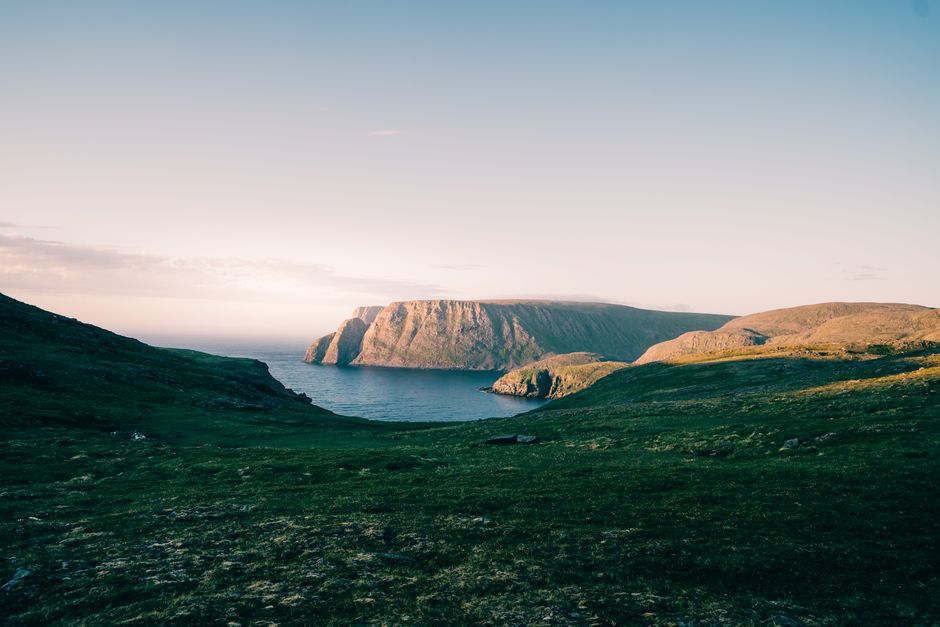
Kayaking the Norwegian fjords is easier for beginners than the dramatic cliffs suggest, but only if you choose sheltered water, respect the cold, and let local guides set the pace. My strongest advice is simple: rent the boat, take a short skills lesson, and save the ambitious open-water route for another trip.
Choose a Fjord Route That Matches Beginner Skills
The best beginner fjord is not the one with the most famous photograph. It is the one that gives you calm water, frequent landing points, a clear forecast, and an easy way back if your arms tire. A narrow branch of a fjord can feel protected while still offering mountain walls, waterfalls, farms, and enough space to practice turning without fighting ocean swell.
Start with sheltered water near a small village
For a first outing, look at the inner sections of Sognefjord, Nærøyfjord, or Hardangerfjord rather than a route that runs toward the open sea. Nærøyfjord is spectacular, but boat traffic and steep shorelines make a guided trip the sensible choice. Around quieter bays and side arms, you can paddle for 60 to 90 minutes, land for a break, and return before the wind builds.
Ask the outfitter three direct questions before booking: Where does the route turn around? What happens if the wind rises? Can a beginner leave the water early? A good operator answers without vague promises and checks the forecast on the morning of departure.
Use a short route plan instead of chasing distance
My preferred first-day target is 6 to 10 kilometres over three to four hours, including stops. That pace leaves room for photos, instruction, and the small corrections that beginners make constantly. Do not plan a 20-kilometre crossing because the map makes it look straight. Fjord winds can turn the return leg into the hardest part of the day.
| Day | Beginner plan | Reason |
|---|---|---|
| 1 | 2-hour lesson in a sheltered bay | Learn forward strokes, edging, stopping, and wet exits |
| 2 | 6-10 km guided fjord paddle | Build distance while a local leader watches conditions |
| 3 | Short independent paddle near shore | Repeat skills without committing to remote water |
Before you go, check launch rules, permit requirements, and rental conditions before arrival. Visit Norway says many businesses require a Norwegian kayaking licence, called Våttkort, before hiring a kayak. If you do not have one, book a course or guided trip rather than trying to work around the rule.
Pack for Cold Water, Not Warm Air
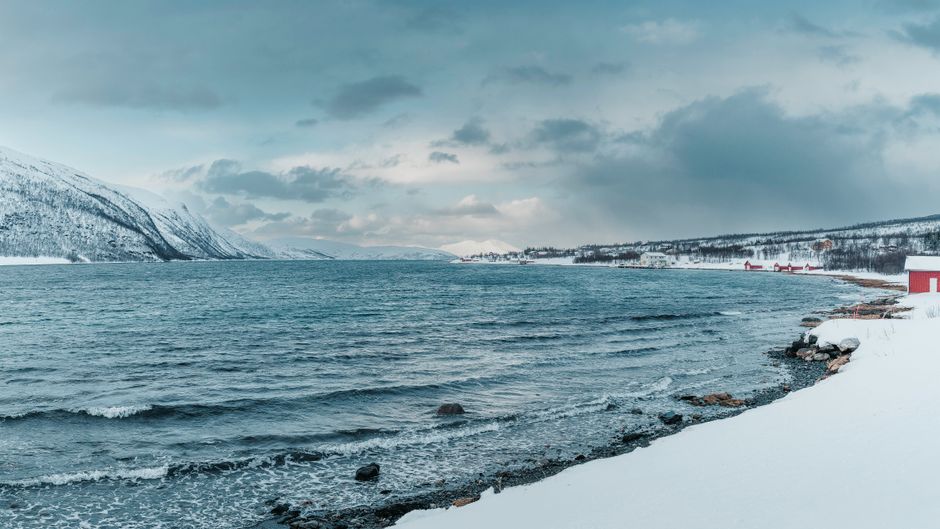
Norwegian summer weather can feel mild on land while the water remains cold enough to create a serious problem after a capsize. Pack for the water temperature, then add protection for wind and rain. That single decision matters more than bringing expensive camera gear or a larger dry bag.
- Wear a proper paddling PFD. Choose a certified life jacket that fits tightly around your chest without restricting your stroke. Test it while seated in the kayak, because a vest that feels fine standing may push into your chin or catch on the seat.
- Dress in layers that stay useful when wet. A wool or synthetic base layer, fleece mid-layer, and waterproof shell work for mild conditions. For a longer trip, cold forecast, or remote shore, rent a full drysuit. Cotton jeans and heavy hoodies become cold, heavy, and slow to dry.
- Carry a complete change of clothes. Put base layers, socks, underwear, and a warm hat inside two waterproof bags. Keep them under the deck or inside a secured hatch, not loose on the beach.
- Bring rescue basics. Your group should have a bilge pump, tow line, whistle, first-aid kit, spare paddle plan, phone in a waterproof case, and enough water for the full route plus an extra hour.
- Protect your hands, eyes, and skin. Thin neoprene gloves help when the wind rises. Sunglasses reduce glare from the water, while sunscreen still matters beneath cloud cover.
Norway’s official water-safety advice warns that hypothermia can begin within minutes, even in summer. If the kayak overturns, stay with the floating boat instead of swimming for a distant shore. The safest packing list is the one that gives you time to wait for help.
What Should a Beginner Learn Before Leaving Shore?
How hard is the basic stroke?
The forward stroke is not a gym exercise. Keep your lower hand relaxed, rotate your torso, and finish the stroke beside your hip instead of pulling far behind it. Ten minutes of quiet practice usually fixes the common beginner problem of zigzagging across the fjord. The boat should glide in a straight line while your hands stay below shoulder height.
How do you handle wind on a fjord?
Turn toward shore before the wind becomes uncomfortable. Beginners often wait until the kayak is already drifting sideways, then waste energy trying to correct the angle. Paddle close to the bank, use headlands as natural checkpoints, and treat a sudden drop in visibility as a reason to land. A steady breeze that feels manageable going out can become exhausting on the return.
What happens if the kayak capsizes?
Practice a wet exit and assisted rescue in calm water before the trip starts. Keep hold of the boat and paddle, signal to your group, and let the guide bring the kayak back alongside you. Do not stand up in deep water, and do not swim toward a steep rocky shore while separated from the boat. My verdict is blunt: if nobody in the group has practiced a rescue, book a guided session.
When a Guided Fjord Tour Is the Better Choice
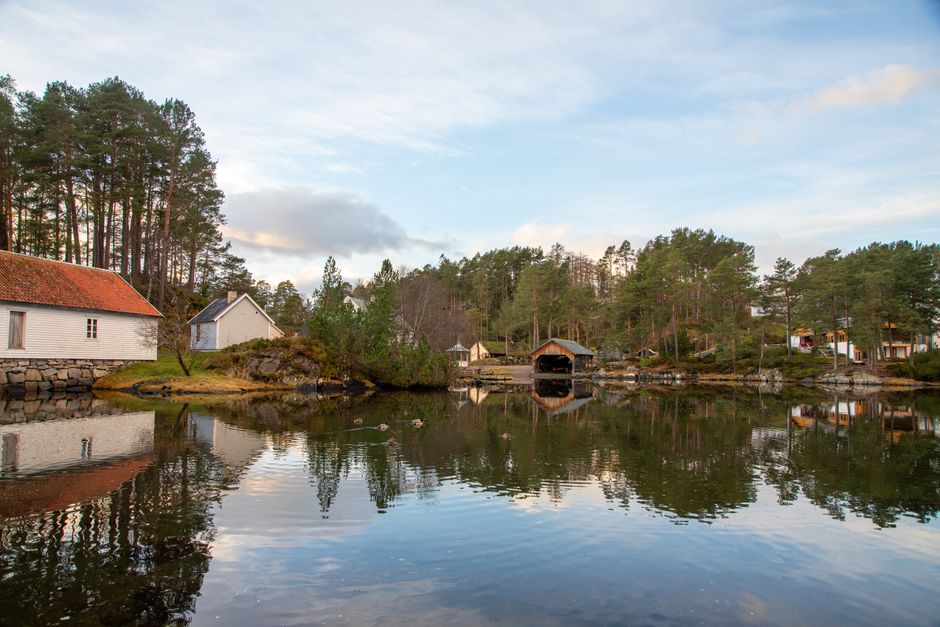
A guided tour is the right purchase when you are new to cold water, travelling alone, or unsure how fjord weather changes. You are paying for route judgment, rescue equipment, local knowledge, and an easier response when a ferry wake or wind shift changes the day.
Skip the solo trip if the route has no easy exit
Do not paddle alone along a steep shoreline with no beaches, no mobile signal, and no clear turnaround points. A route can look calm from a hotel window while wind funnels through a side valley. That is a failure of planning, not bad luck. Stay with a group until you can control the kayak, exit safely, and get back in with help.
Skip the trip when the forecast is doing the work for you
Rain itself is not the issue. The warning signs are increasing wind, poor visibility, strong current near a narrow entrance, and a return route that will face the weather. If the operator cancels, accept the decision. The fjord will still be there tomorrow, and a cancelled paddle is cheaper than an emergency rescue.
Pick a different adventure if you dislike cold-water skills
If the thought of a wet exit, layered clothing, and a three-hour paddle sounds unpleasant, choose a fjord cruise, a short RIB tour, or a guided shoreline walk instead. Those options still deliver the cliffs and waterfalls without pretending that sea kayaking is a sightseeing boat ride. For a beginner who wants the safest first taste, a half-day guided paddle on sheltered water is the best choice because it teaches the skills before the scenery tempts you farther from shore.