
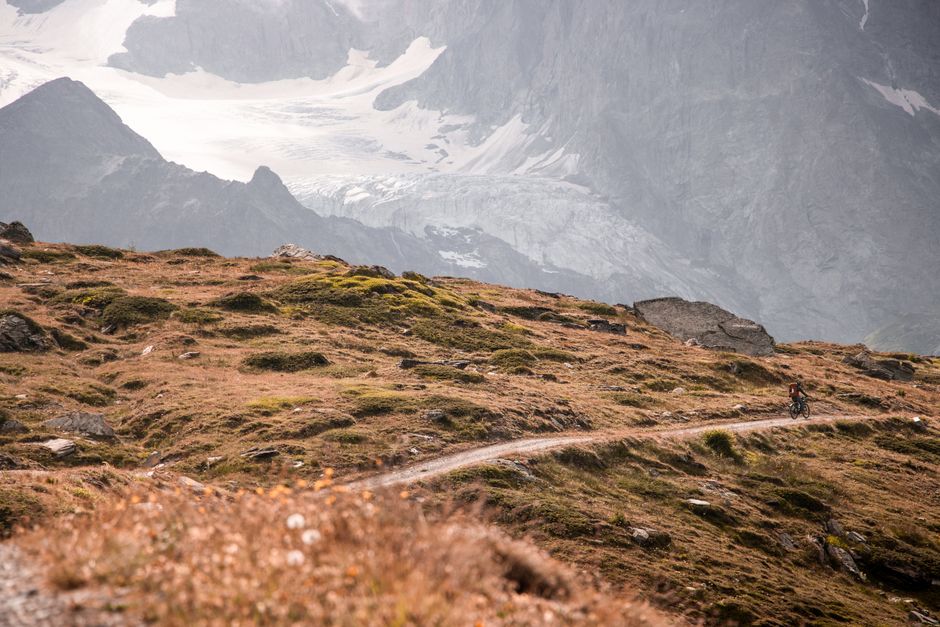
The best first trip is a two-day loop based around the Utrechtse Heuvelrug or Belgian-Dutch Kempen. Both areas offer firm forest tracks, short distances between cafés and railway stations, and enough paved escape routes when spring rain turns soft gravel into clay. For most touring riders, a reliable aluminium gravel bike with 40–50 mm tyres beats an expensive race bike.
Why spring gravel touring works so well here
Low-country gravel is not about dramatic mountain scenery. It is about linking quiet farm lanes, pine forests, heathland, river paths and small villages without committing to traffic-heavy roads. That makes the Netherlands and Belgium excellent for a first off-road tour.
Easy does not mean completely flat
Much of the Netherlands feels level, but the Utrechtse Heuvelrug rises into rolling woodland. Its official gravel routes include a 41.8 km loop with 343 metres of climbing and a 61.6 km route with 422 metres. Those numbers suit a touring pace, but wet roots and loose sand still demand attention. Belgian Limburg adds short, sharp rises rather than long climbs. Plan for 15–18 km/h instead of assuming road-bike speeds.
Spring rewards flexible planning
April and May bring longer daylight, fresh green woodland and fewer holiday crowds. They also bring cold rain, strong wind and muddy sections after several wet days. Book accommodation with indoor bike storage, check the forecast the night before, and keep one paved shortcut in your navigation file. A route that looks easy on a dry map can become slow when the ground holds water.
Three easy routes for a first touring trip
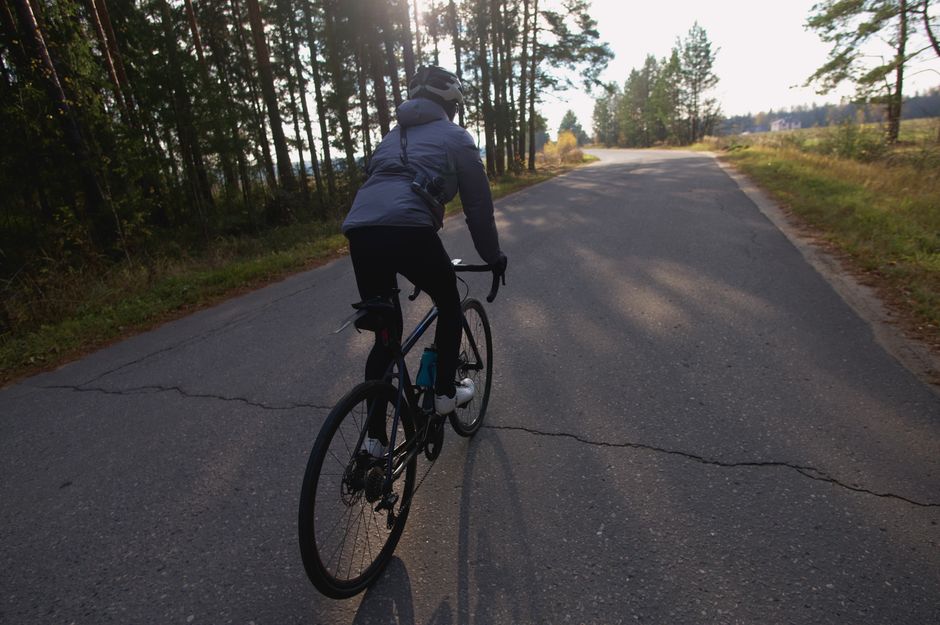
Pick one base and ride a loop rather than forcing a long point-to-point itinerary. That keeps luggage, train logistics and weather decisions simple.
Route comparison
| Area | Useful distance | Terrain | Best use |
|---|---|---|---|
| Utrechtse Heuvelrug | 41.8 km or 61.6 km | Forest, heath and rolling tracks; 343–422 m climbing | One-day introduction |
| Kempen-Broek | 102 km | Mostly gentle forest and border tracks; about 150 m climbing | Long day or overnight loop |
| Hoge Kempen | Build a 45–75 km loop | Pine forest, heath, sand and gravel-pit paths | Flexible Belgium weekend |
My route verdict
Choose Utrechtse Heuvelrug for the easiest first day because the 41.8 km option starts at Amerongen and gives you frequent exit points. Choose Kempen-Broek for a longer, flatter tour. Its official 102 km route starts in Weert, has a stated difficulty of 2/5 and crosses the Dutch-Belgian border. The Utrechtse Heuvelrug route list and Kempen-Broek route page provide the current GPX links.
Which gravel bike makes sense for touring?
Buy tyre clearance and mounting points before chasing low weight. Spring touring loads the bike with clothing, tools and food, while wet tracks punish narrow tyres. A relaxed position and mechanical simplicity matter more than race-level speed.
Best all-round choice: Trek Checkpoint ALR 5 Gen 3
The Trek Checkpoint ALR 5 Gen 3 costs €1,999 on Trek’s Dutch site. It weighs 9.87 kg in size ML, uses a 12-speed SRAM Apex XPLR drivetrain, accepts tyres up to 50 mm and comes with 700 x 42 mm tyres. That combination makes it the strongest choice for riders who want one bike for commuting, touring and rougher forest roads. The aluminium frame also reduces worry when a loaded bike leans against a café wall.
Best adventure-focused alternative: Canyon Grizl 7 ESC
The Canyon Grizl 7 ESC lists at €1,999 and weighs 10.43 kg in size M. It includes several mounting points, compatibility with a rack and mudguards, and a broad adventure handlebar. Pick the Grizl when luggage capacity matters more than a lively road feel. The Trek wins for local dealer support; the Canyon wins for a ready-made bikepacking setup. Neither deserves a purchase if you mainly ride smooth cycle paths, where a hybrid bike costs less and feels more practical.
How to pack for a wet two-day gravel tour
Keep the load low, dry and easy to reach. A heavy backpack makes long rough sections uncomfortable and shifts your balance when you stand on the pedals.
Use a simple three-bag system
Put sleeping or spare clothes in a seat pack, tools and snacks in a top-tube or handlebar bag, and dense items such as a lock low in the frame. The ORTLIEB Seat-Pack costs €160 on its Dutch site, comes in 11-litre and 16.5-litre sizes, and uses a roll closure. Its waterproof construction suits spring showers, but only if you roll the closure correctly. Do not treat it as a dry substitute for a sealed inner bag.
Pack for a cold café stop
- One waterproof shell, one warm layer and dry gloves.
- Two spare inner tubes, tyre levers, a pump and a chain quick link.
- Front and rear lights, even when the forecast shows daylight rides.
- Bank card, phone power bank and a paper note with your accommodation address.
- Food for at least two hours, because rural cafés may close early outside weekends.
Keep the total luggage under 8 kg for a comfortable beginner tour. The expensive mistake is buying a huge bag and filling it. Pack the clothing you will actually wear, then leave space for wet gear.
How to ride soft spring gravel safely
Surface choice matters more than speed. A firm wet track rewards smooth steering; a deep sandy lane punishes sudden braking and standing starts.
- Lower tyre pressure in small steps. Start around 2.5 bar front and 2.8 bar rear for a loaded rider on 42 mm tubeless tyres, then adjust for weight and casing. Avoid copying a pressure from a much lighter rider.
- Brake before corners, not halfway through them. Wet leaves, wooden bridges and painted crossings can become slick.
- Stay seated on loose climbs. Spinning a low gear keeps the rear tyre hooked into the surface.
- Walk around deep puddles when a marked path allows it. The water may hide a rut, a fallen branch or a soft edge.
- Use the paved network as a planned escape, not a defeat. Dutch cycleways and Belgian node routes make it easy to shorten a loop.
- Clean the drivetrain . Grit mixed with chain oil becomes grinding paste and can ruin a cassette quickly.
When to turn around
Turn back when a public path becomes impassable, when your brakes feel contaminated, or when daylight drops below the time needed to reach shelter. Never force a private farm track because a GPX file points through it. Routes change, signs disappear and landowners may close paths during forestry work.
Common mistakes and better alternatives
The most common failure is planning a race distance with touring equipment. A second mistake is trusting a dry-weather route file after several days of rain.
Should you ride the full 102 km Kempen-Broek route?
Only if you already handle six hours on mixed surfaces. For a first trip, split it into two days or use the Weert area as a base. The route has little climbing, but distance, navigation and changing surfaces still create fatigue. The better alternative for a nervous beginner is a 45–60 km loop with a train station or village café near the halfway point.
Do you need a carbon gravel bike?
No. A carbon bike may save weight, but it does not solve mud, poor navigation or a badly packed bag. The €1,999 Trek Checkpoint ALR 5 Gen 3 or Canyon Grizl 7 ESC gives a touring rider more useful capacity than a lighter race build. Spend the difference on a bike fit, waterproof luggage and a second set of tyres.
When should you choose a hybrid bike instead?
Choose a hybrid such as the Trek Dual Sport or a similar flat-bar model if you ride mostly paved cycleways, dislike drop handlebars, or want a rack and upright position from day one. Gravel bikes make sense when your route regularly leaves asphalt. Buying one for a 90 percent paved holiday adds cost without adding much comfort.
The best spring route depends on your touring goal
For a first weekend, I would choose the 41.8 km Utrechtse Heuvelrug loop and stay near Amerongen. For a flatter endurance day, Kempen-Broek is the clear winner. For riders who want to improvise across Belgium, the Hoge Kempen network gives the best freedom, but it demands more careful navigation around sand and changing forest tracks. The winning setup is a mid-range aluminium gravel bike, 40–45 mm tyres, waterproof luggage and a route short enough to finish before the weather becomes the main event.
| Your priority | Best choice | Why |
|---|---|---|
| First gravel tour | Utrechtse Heuvelrug, 41.8 km | Short loop, modest climbing and easy escape points |
| Flat long-distance day | Kempen-Broek, shortened if needed | About 150 m climbing across 102 km |
| Flexible Belgian weekend | Hoge Kempen node network | Build your own distance around forest and heath |
| One-bike touring setup | Trek Checkpoint ALR 5 Gen 3 | 50 mm clearance, 9.87 kg and €1,999 |
| Maximum luggage flexibility | Canyon Grizl 7 ESC | Rack and mudguard compatibility at €1,999 |