
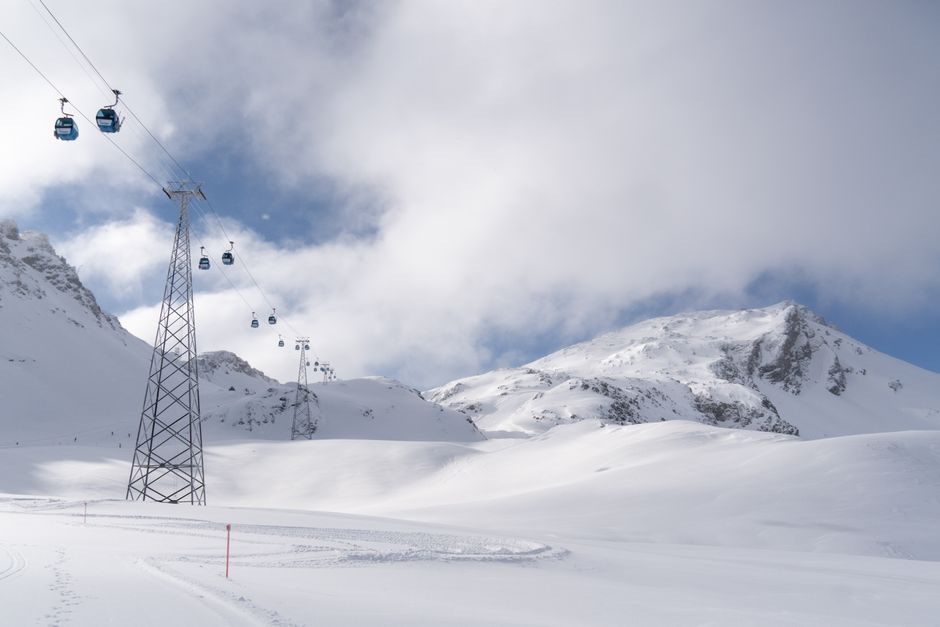
The best toddler ski holiday starts with childcare, not piste mileage. Book a creche or supervised play session for a child under three. Choose a short ski-school class only when your child can follow simple instructions, wear a helmet without distress and cope with cold for 30 to 60 minutes. Then put your money into a walkable apartment or chalet. A five-minute journey saves more family energy than an extra lift on the doorstep.
Which toddler ski-care option fits your trip?
Start by matching the care format to your child’s age, nap pattern and tolerance for separation. A ski school teaches sliding. A creche protects the nap. A family chalet solves meals and bedtime. They are not interchangeable services.
| Option | Best age | Typical session | Best use | Main drawback |
|---|---|---|---|---|
| Snow garden or ski school | Usually 3 to 5 | 1.5 to 2 hours | First glides and ski games | Too tiring for a young two-year-old |
| Resort creche | About 12 months to 4 years | Half or full day | Reliable care while parents ski | Limited spaces and fixed times |
| Hotel kids club | Often 2 to 3 years | Several hours or a full day | Care, meals and indoor activities | Extra weekly fee at many resorts |
| Catered family chalet | Any age | Evenings and flexible downtime | Shared meals and less cooking | Other guests may dislike noise |
The fastest decision rule
For a child aged one to two, choose a creche with naps, meals and indoor space. For a confident three-year-old, add a short beginner lesson after one easy day in the snow. For siblings with different ages, combine ski school for the older child with a creche or hotel club for the toddler.
What the prices really show
Published winter 2025–26 prices show why a full-day creche can be better value than paying for a lesson your toddler cannot finish. Les Fripouilles in Les Gets lists a morning half-day with lunch at €56.50, an afternoon at €46 and a full day with lunch at €85.50. Its six-day full-day pass costs €423. The official Les Fripouilles rate page also confirms care for children from 12 months to four years.
What age can toddlers start skiing?
Can a two-year-old take ski lessons?
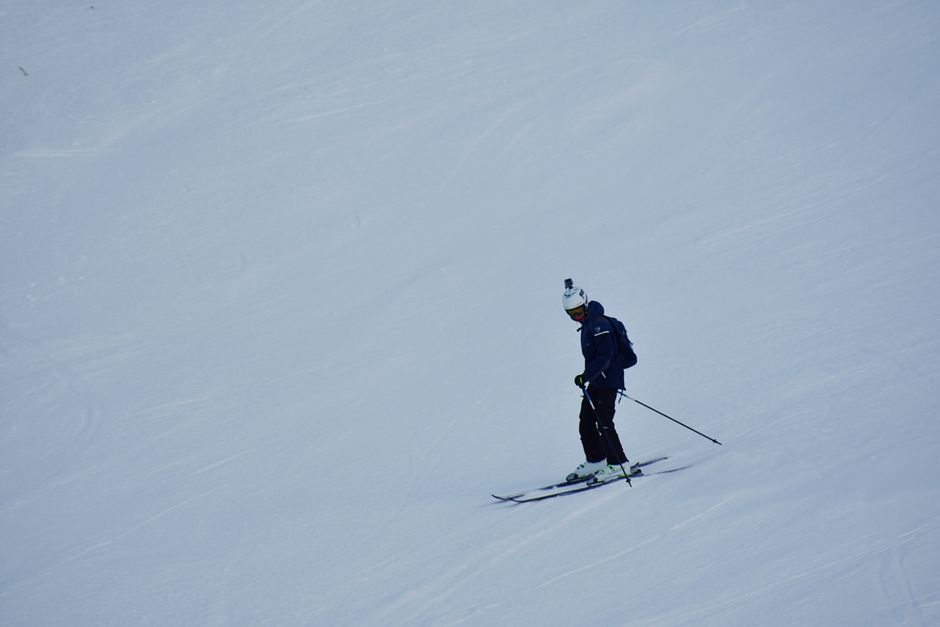
Usually, no formal lesson is the best first step. At two, many children lack the balance, attention span and cold tolerance for a structured class. A 20-minute play session on flat snow with a parent can build comfort. Stop while the child is still happy. The goal is familiarity, not a badge.
What changes at age three?
Age three is the practical starting point for many ski schools, but the child’s temperament matters more than the birthday. ESF’s Piou-Piou programme in Les Gets serves children aged three to five and splits its time between first ski movements and games. The published price range is €178 to €281, depending on the session and dates. Check the Les Gets ESF Piou-Piou information before booking because age groups and timetables vary by resort.
When should you choose play over skiing?
Choose a creche when your toddler still naps, refuses gloves or becomes upset after 15 minutes outside. A child who spends the lesson crying will not learn faster because the booking is non-refundable. For children aged two to three, Club Med’s Petit Club Med offers supervised games, crafts and sports rather than promising a full ski programme. Club Med lists the service from €350 per week at selected ski resorts, with availability and activities varying by location.
How do you book a toddler ski week that works?
Build the holiday around your child’s best two hours of the day. Most family ski trips fail through poor timing, not poor snow. A toddler who sleeps from 1pm to 3pm should not have a full-day lesson followed by a late restaurant meal.
Build the day around naps
- Choose one anchor session. Book either a morning lesson or afternoon childcare for the first two days. Do not schedule both until you know how your child handles the altitude and cold.
- Keep the first outdoor session below two hours. Include warm-up time, toilet time, snacks and the walk back to the accommodation.
- Leave a 30-minute buffer before lunch. Snow boots take longer to remove than ordinary shoes, and hunger turns a small delay into a large tantrum.
- Protect the nap. If the creche has no quiet room, return to the chalet or apartment rather than forcing a tired child to stay awake.
Check the handover details
Ask the provider four direct questions: Can staff give bottles or prescribed medicine? Where do children sleep? Is outdoor play optional? What happens if the child refuses the snow? Also check toilet training rules, collection permissions, food allergies and the staff language. A friendly booking page does not answer these operational questions.
Book the childcare before the accommodation deposit becomes non-refundable. Popular creches may have fewer than 15 places, and weekend arrival days often have the weakest availability. Send the child’s normal nap, meal and comfort routine in writing. Familiar instructions help staff settle a toddler faster.
Which toddler ski-holiday mistakes cause the most stress?
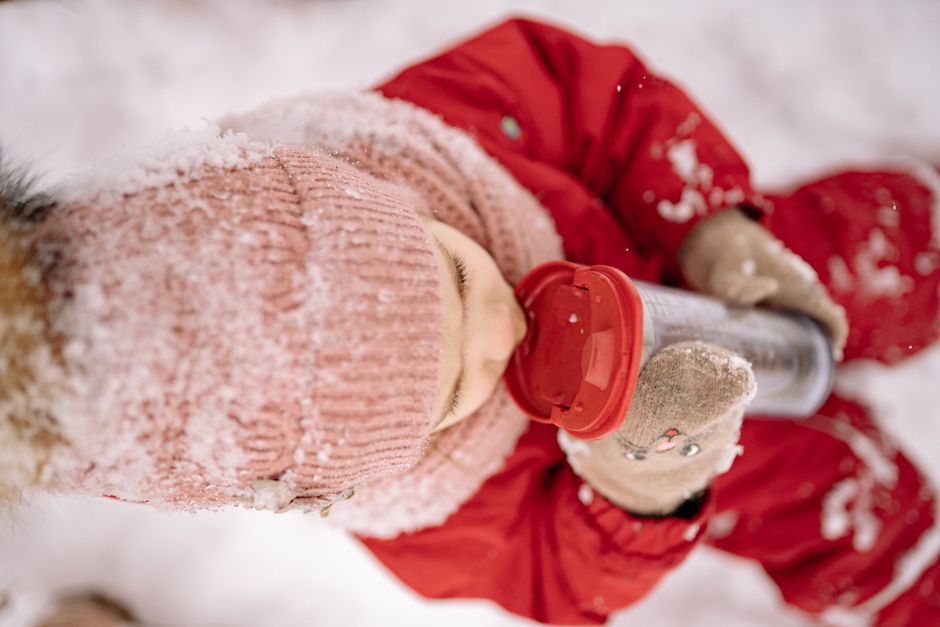
The biggest mistake is treating a toddler like a small older child. Toddlers need warmth, sleep and quick exits. They do not need a packed activity calendar.
The five checks to make before paying
- Check the walking route. Measure the real door-to-door distance from the chalet to childcare, including stairs, snow and equipment storage.
- Confirm the minimum age in months, not just the headline age band. A service for two-year-olds may require the child to turn two before arrival.
- Ask if the quoted price includes lunch, nappies, ski equipment or only supervision. These extras can change the daily cost sharply.
- Read the cancellation terms. Fever, ear infections and travel delays are common reasons families miss the first session.
- Plan one parent-free hour before buying a full week. A short trial reveals separation problems early.
When not to buy a ski lesson
Skip the lesson when your toddler has a cold, poor sleep or no interest in standing on skis. Use a heated playroom, a short sled walk or indoor pool instead. At Les Gets, the local lift information lists children under five as eligible for a free pass under its conditions, but free access does not make a lift day suitable for a tired two-year-old. The right saving is the lesson you do not force.
Which family-friendly chalet setup is best?
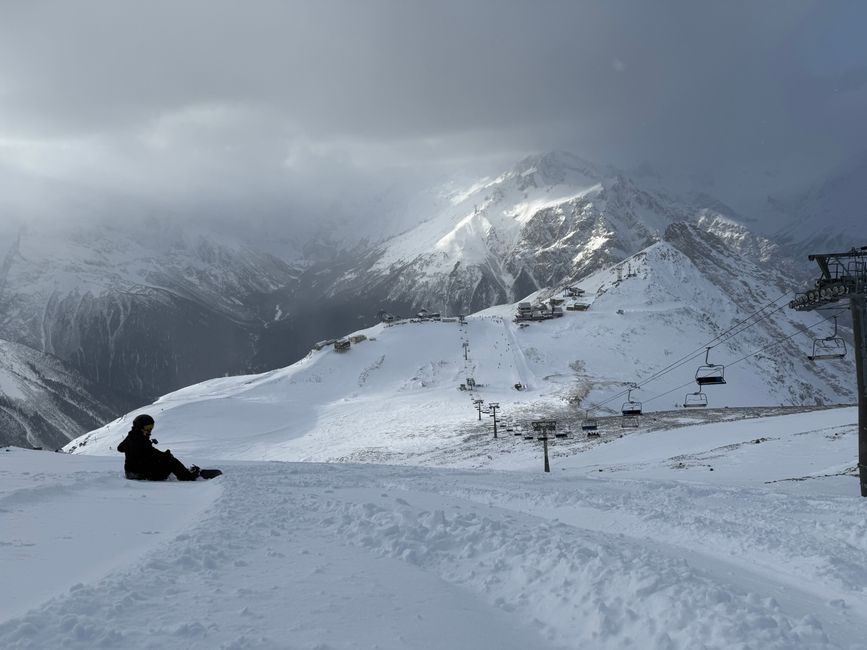
For most families with a child under three, a walkable apartment beside a creche is the best setup. It gives parents control over naps, food and early bedtime. A catered chalet wins when adults value shared evening meals and the group accepts toddler noise. An all-inclusive resort wins when childcare, meals and ski school matter more than privacy.
Pick a catered chalet when evenings matter
Choose a catered chalet with a separate children’s room, a stair gate, a high chair and a dining time that can move by 30 minutes. Ask if the chalet accepts toddlers before booking. Some properties market themselves to families but still place bedrooms above a shared lounge or serve dinner at 8pm. A nanny service can help, but it does not replace a safe sleep space or a quiet route to the bathroom.
Pick an integrated resort when logistics matter most
Club Med is the clearest packaged option for families who want childcare, meals and activities in one building. Petit Club Med covers ages two to three, while Baby Club Med covers four to 23 months at selected resorts for an additional fee. The tradeoff is cost and less control over the daily routine. For a first ski trip with a young toddler, that tradeoff is worth paying when the resort is genuinely ski-in, ski-out and the club confirms the child’s age, nap and meal needs in writing.