
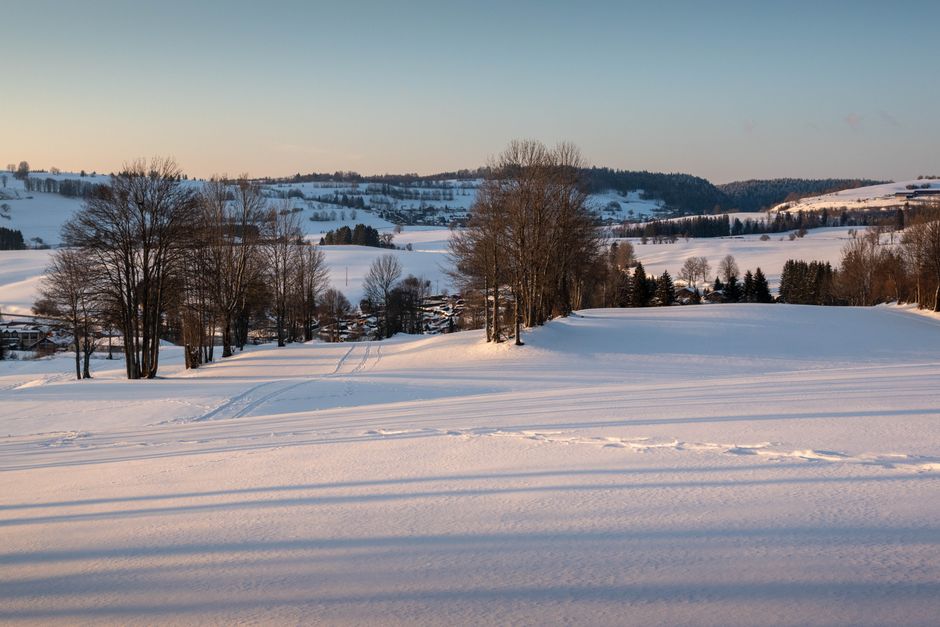
Is cross-country skiing in Norway hard for beginners?
My verdict: no, if you choose classic skiing on a groomed, mostly flat trail. The first day may feel awkward because your feet slide instead of lifting, but the sport rewards small movements rather than brute strength. Norway has beginner-friendly loops near cities, resorts, and mountain villages, so you do not need to start with a long wilderness tour.
The costly mistake is booking a dramatic high-mountain route before learning how to stop. A gentle forest trail gives you room to practise balance, gliding, braking, and turning without turning every downhill section into a panic drill. Start with 3 to 5 kilometres, take a warm break, and add distance only when your legs still feel steady.
The easiest technique for a first trip
Choose classic skis with a grip zone or integrated skin. Keep the skis parallel in the tracks, bend your knees slightly, and let each ski glide before shifting your weight. For the first hour, your goal is rhythm, not speed.
How much fitness do you need?
You need enough fitness to walk for 60 to 90 minutes, but you do not need a runner’s lungs. Flat trails can feel gentle, while soft snow, wind, and hills raise the effort quickly. A short lesson is a better investment than a longer route.
What should first-time skiers learn before arriving?
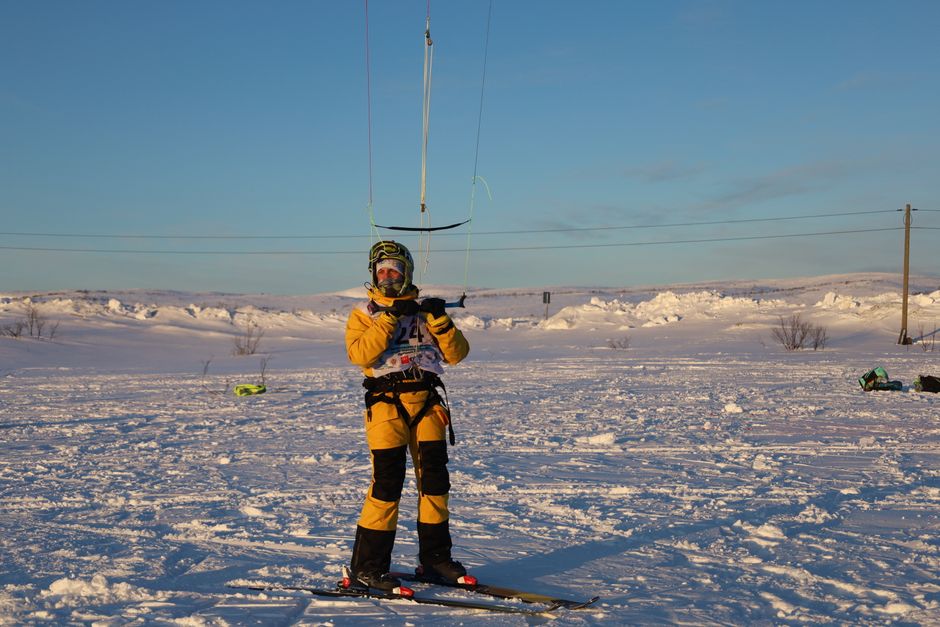
Do I need classic or skate skis?
Classic skiing is the clear beginner choice. The skis stay parallel inside prepared tracks, and the movement is closer to walking and gliding. Skate skiing uses a V-shaped push, needs more balance, and works best on a wide groomed surface. Do not rent skate equipment because it looks faster in promotional photos. It adds technique problems before you understand the basics.
What should I wear on a Norwegian trail?
Use three practical layers: a moisture-moving base layer, a warm mid-layer, and a windproof outer shell. Wool socks, thin gloves, sunglasses, sunscreen, and a spare layer matter more than a stylish ski suit. Cotton becomes cold when damp. Pack water, a snack, a phone, and a small sit pad for breaks. The official Visit Norway beginner guidance also recommends warm clothing, food, drink, and extra protection from changing weather.
Learn the snowplough before you leave the rental desk. Bend your knees, point the ski tips slightly inward, and keep your weight centred. Practise stopping on flat ground first. A lesson that teaches braking is worth more than one that only takes you to a scenic viewpoint.
Why the right trail matters more than your fitness
What a beginner-friendly trail actually looks like
Trail labels can hide a big difference in difficulty. A route described as 10 kilometres may include rolling climbs, exposed plateaus, narrow descents, or sections where wind has erased the tracks. For a first outing, look for a prepared classic track, a short loop, nearby shelter, reliable mobile coverage, and a return point that does not depend on perfect weather.
Oslo is a strong first base because Nordmarka offers a large network of maintained trails close to public transport. Skiforeningen reports roughly 2,200 kilometres of ski trails in and around Oslomarka, but that does not mean a visitor should attempt a long crossing. Use its live map to choose a modest loop from Frognerseteren, Sognsvann, or another accessible trailhead. Kikutstua can work as a destination for stronger beginners, but its approach from Sørkedalen is about 10 kilometres, so it is not a casual first outing.
How weather changes the plan
Cold, wind, and fresh snow can turn an easy route into a tiring one. Check the trail report on the morning of your ski day, not only when you book the hotel. If the high plateau is windy, move to a sheltered forest loop. If the trail has ice, ask the rental shop about grip and braking. If visibility collapses, shorten the route immediately. The Norwegian Mountain Code says to adapt the planned route to your ability and current conditions; that rule matters more than a pre-booked itinerary.
For a first Norway trip, a two-hour lesson followed by a short independent loop is the best format. It gives you instruction, a safety net, and enough freedom to discover if you enjoy the sport.
Five mistakes that make a gentle ski trip miserable
Use this pre-departure checklist
- Do not start with the biggest distance. Five relaxed kilometres beats 15 kilometres followed by two days of sore hips.
- Do not ignore ski fit. Classic skis are matched to body weight and flex, not only height. A ski that is too stiff will not grip; one that is too soft may feel slow.
- Do not overdress. You warm up quickly while climbing. Carry a shell and mid-layer instead of starting in every item you packed.
- Do not trust yesterday’s trail report. Grooming, wind, temperature, and ice can change the surface overnight.
- Do not descend without practising a stop. On a narrow track, move to a safe section, slow down, and use a snowplough before speed builds.
When should you skip cross-country skiing?
Skip a long route if you have a fresh injury, poor balance, or no way to return once conditions worsen. Choose snowshoeing or a guided walk instead if you want scenery without learning a sliding technique. Alpine skiing is also a better fit for travellers who mainly want lifts, steep descents, and resort infrastructure. Cross-country skiing solves a different problem: it gives you quiet access to forests and open landscapes at your own pace.
That is the honest tradeoff. You supply more balance and patience, but you avoid lift queues and can begin almost anywhere a groomed track exists.
Which Norwegian destination is best for a gentle first trip?
Compare the setting before booking
| Destination | Best use | Useful fact | Beginner verdict |
|---|---|---|---|
| Oslo and Nordmarka | City break plus skiing | About 2,200 km of trails in and around Oslomarka | Best overall first choice |
| Geilo | Resort comfort and varied loops | More than 2,000 km of groomed trails are listed across Hallingdal | Best for mixed-ability groups |
| Gausta | Snow reliability and mountain views | 85 km of groomed trails, from a 2 km beginner loop to a 23 km mountain route | Best for a compact resort stay |
| Sjusjøen | Classic Norwegian trail culture | Known as one of Eastern Norway’s major cross-country areas | Best for dedicated ski time |
Oslo wins for most first-timers because a poor weather day does not ruin the whole holiday. You can visit museums, eat well, and try a shorter loop when conditions improve. Geilo is the stronger pick for a group where one person wants lessons and another wants longer distances. Gausta makes sense when snow reliability and a simple resort base matter more than city access.
How to choose a route on arrival
Ask three direct questions at the rental shop: Which loop is flattest? Where is the nearest warm shelter? What is the easiest way back if the weather changes? Then check the live trail map and choose a route with a clear turnaround point. A map line is not a promise that the full distance will feel easy.
For current trail conditions, use the Skiforeningen trail map for Oslo and the local grooming report for your resort.