
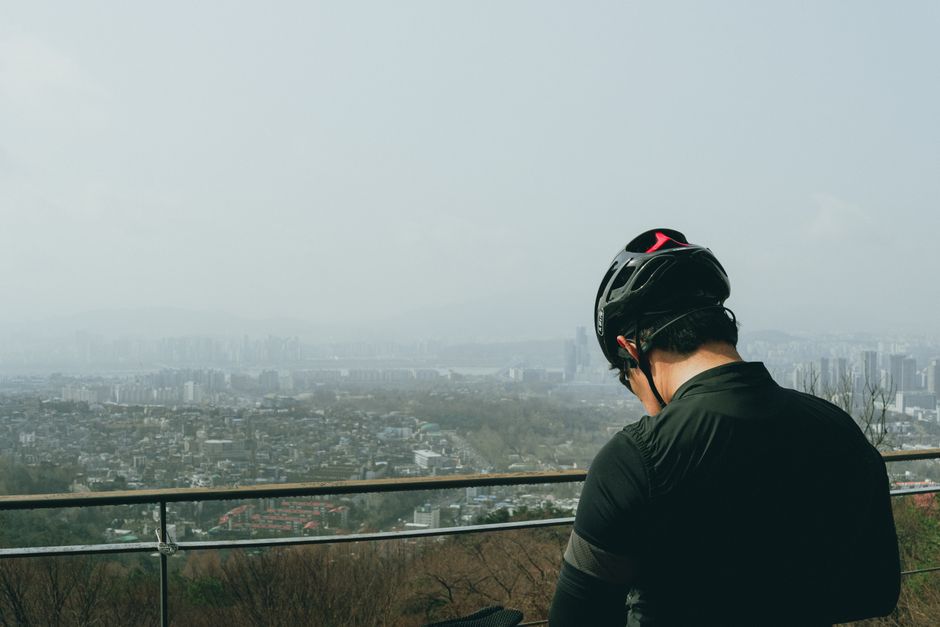
The common mistake is treating Mallorca like a sunny beach holiday with bikes added at the last minute. A first road-bike camp can go wrong quickly: you arrive after a late flight, rent an unfamiliar bike, attack the mountains on day one, and spend the rest of the week nursing sore knees. The island is excellent for training, but only when you match the route, weather, and workload to your actual fitness.
Is spring the best time for a first Mallorca camp?
Yes, April and May are the best starting points. They give you useful riding temperatures without the intense heat and busy summer roads, but spring is not guaranteed sunshine. Plan for cool mornings, wind on exposed roads, and a rain option.
What the weather really gives you
Palma’s long-term averages reach about 17.5°C in March, 19.8°C in April, and 23.7°C in May during the day. Early starts can feel much colder, especially after climbing into the Serra de Tramuntana. March is the most unpredictable choice for a beginner because wet roads and mountain cloud can arrive together. For a first camp, I would choose late April or the first half of May.
Why the mountains change the plan
Mallorca looks compact on a map, yet the mountain roads turn a 60-kilometre ride into a serious day. A route with 900 metres of climbing can take twice as long as a flat coastal ride, and the descent adds its own fatigue. Wind also changes the effort: a calm forecast in Palma does not guarantee calm conditions near Cap de Formentor or the higher Tramuntana roads. My verdict is simple: use spring for steady endurance, not for proving that you can copy a professional rider’s route.
How should a beginner schedule seven days?
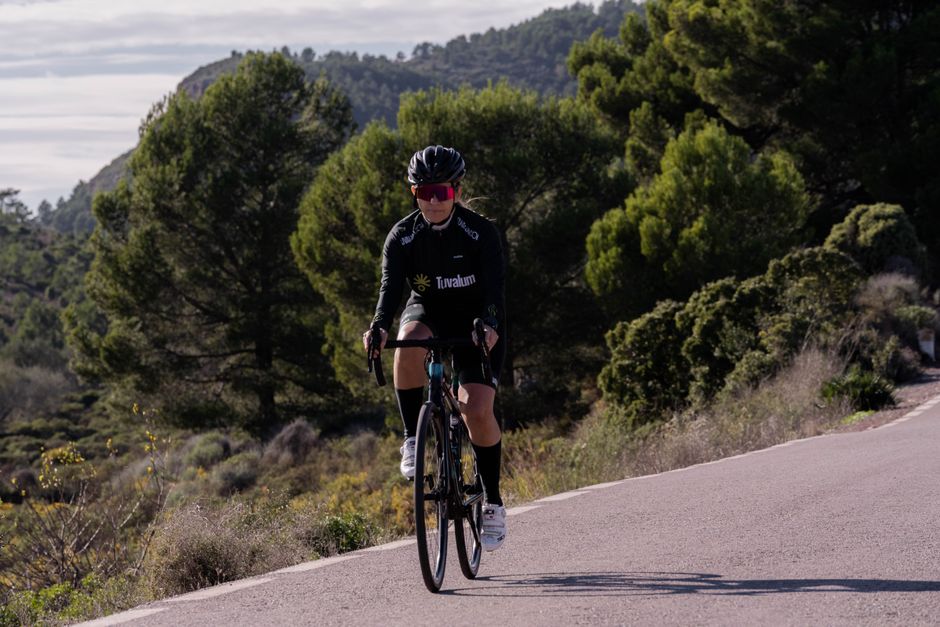
Build the week around three useful rides, two easy rides, and one complete rest day. The goal is to finish stronger than you started, not to collect the largest distance total. Keep the first mountain ride short enough that you could still ride the next morning.
The simple loading rule
Increase either distance or climbing, never both at once. Keep hard efforts below your normal training limit during the first two days. Eat before you feel hungry, drink regularly, and stop the session when your pedal stroke becomes uneven.
| Day | Ride plan | Target | Reason |
|---|---|---|---|
| 1 | 30–40 km, mostly flat | Easy endurance | Check the bike and legs |
| 2 | 55–65 km, 500–700 m climbing | Steady pace | First controlled hills |
| 3 | 70–85 km, 900–1,200 m climbing | Long endurance | Main training day |
| 4 | Rest or 25 km recovery spin | Very easy | Absorb the workload |
| 5 | 80–100 km, 1,200–1,600 m climbing | Longest ride | Test pacing and food |
| 6 | 40–55 km, rolling roads | Technique | Practice cornering and descending |
| 7 | 20–40 km or rest | Optional | Finish fresh for travel |
How to adjust the week
If your longest recent ride was 50 kilometres, do not begin with a 100-kilometre mountain loop. Cut every distance by 20–30 percent and keep the same order of hard, easy, and rest days. That gives you a real camp without turning travel into a recovery problem.
What should you rent or pack for the camp?
Rent an endurance road bike with 28–32 mm tyres, a compact 50/34 chainset, and an 11–34 cassette. That setup matters more than a lightweight racing frame because it gives a first-timer sensible gears for long climbs and better grip on rougher sections.
The bike and computer I would choose
Ask the rental shop for a proper fit before leaving: saddle height, reach, cleat position, and brake-lever angle should all be checked in the first 15 minutes. If you are buying rather than renting, the Specialized Roubaix SL8 with Shimano Tiagra is a sensible comfort-first example at about €2,499, with clearance for tyres up to 40 mm. I would skip buying an expensive bike for one trip. For navigation and training data, the Garmin Edge 540 is the better value choice than a touchscreen model; it weighs 80.4 g, offers up to 26 hours in intensive mode, and was listed around €299.99 in Europe in 2026.
The small kit that earns its place
- The Castelli Perfetto RoS 3 Jacket costs about €250 and suits cool, windy spring rides with a light base layer.
- The MAAP Training Jersey 2.0 costs €140, weighs about 125 g, and is rated for roughly 18–35°C; it works well once May mornings warm up.
- Carry two 750 ml bottles, a mini-pump, two inner tubes, tyre levers, a derailleur hanger if the rental shop supplies one, and €20–30 in cash.
- Bring full-finger gloves and a packable rain shell even if the forecast looks dry.
My clear pick is the endurance rental bike plus basic weather layers. Carbon wheels, power pedals, and an aero helmet will not rescue a poor fit or an empty bottle.
Which Mallorca routes suit a first-timer?
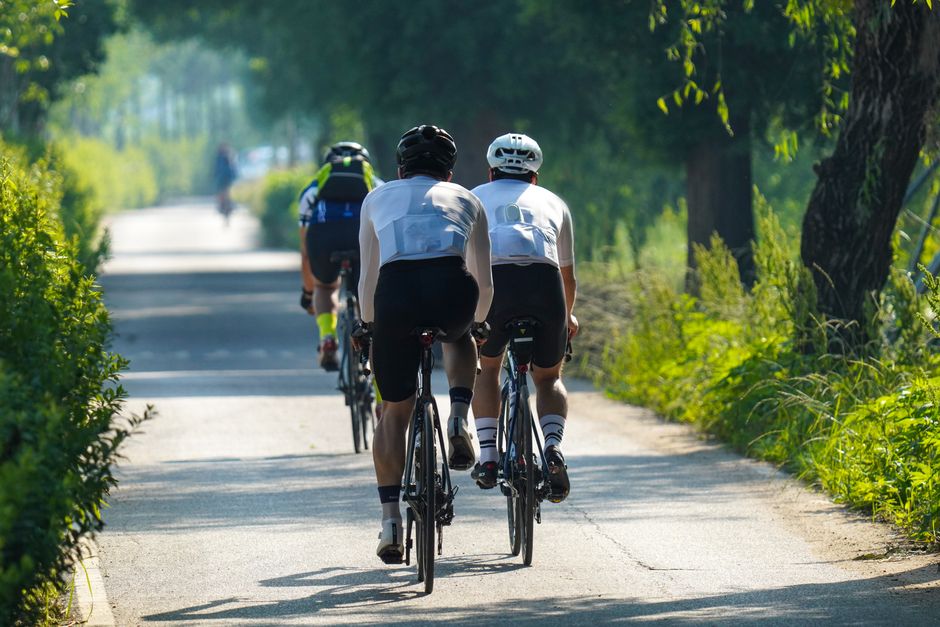
Start with the southern or central roads, then earn the famous mountain rides. A first camp should teach you how the island feels before it asks you to handle its hardest climbs.
Should you ride Sa Calobra first?
No. Sa Calobra is a brilliant goal for day five, but its switchbacks, long approach, and return journey punish poor pacing. Ride it only after one easier climbing day, start early, carry food, and turn around if the weather closes in. The best first mountain day is a shorter loop through villages such as Puigpunyent or Valldemossa, where you can shorten the route when your legs feel flat.
Is Cap de Formentor suitable for beginners?
It can be, provided you treat it as an out-and-back rather than adding extra climbing around the north. From an Alcúdia-area base, the lighthouse road makes a memorable endurance day with repeated rises and exposed sections. Check current road access and traffic conditions before leaving; the route can feel very different in a strong wind.
Where should you base yourself?
For a first camp, choose Sóller or Port de Sóller if mountains are the main reason for the trip, Alcúdia if you want easy access to northern routes and Formentor, or Palma if you also want restaurants, airport access, and flatter warm-up rides. My winner is Sóller for a focused training week, but Palma is the safer choice when a mixed travel group is coming along.
What goes wrong on a first cycling camp?
Most failed camps fail before the first climb. The predictable mistakes are easy to avoid when you name them clearly.
The five mistakes I would prevent
- Copying a pro itinerary: professional riders may handle 120 kilometres and 2,000 metres of climbing repeatedly; a new visitor usually should not.
- Ignoring the rental fit: a saddle that is 5 mm too high can create knee pain by day three. Take a photo of your home-bike setup before travelling.
- Starting too late: late departures create heat, traffic, and pressure to rush the final climb. Leave between 8:00 and 9:00 for longer routes.
- Under-eating: aim for 40–60 g of carbohydrate per hour on rides longer than two hours, using food you have already tested.
- Descending like a local: unfamiliar bends, stone walls, wet patches, and changing light deserve controlled speed. Brake before the corner, not halfway through it.
When should you skip the famous route?
Skip a major climb when you slept badly, feel ill, have brake or tyre trouble, or cannot see the road clearly in mountain cloud. A shorter route is not wasted training; it is often the choice that lets you ride well tomorrow.
Should you book a package or plan the camp yourself?
For a first trip, book the accommodation and bike through a cycling specialist, then keep the daily riding flexible. That middle path removes the expensive problems—wrong bike size, no repair support, poor route choices—without forcing you into a group pace every morning.
Choose a package when logistics are the weak point
A guided or semi-guided camp makes sense when you are flying with no bike, have limited climbing experience, or want mechanical support nearby. Pay for route knowledge and backup, not for a crowded schedule that treats every day like a race.
Plan it yourself when you already know your limits
Independent planning wins when you can read a route profile, repair a puncture, check the forecast, and change plans without feeling guilty. Do not buy a package simply because the word training appears in the name; a self-planned week with one rest day can produce better riding and a more enjoyable holiday. The single most important takeaway is to make your first Mallorca camp progressively harder, because arriving home healthy beats finishing one heroic route and losing the rest of the week.