

May is one of the best times for Lake District family walks. The valleys are bright with spring growth, daylight lasts late into the evening, and the high fells can still feel wild without demanding a full mountain day.
The key is choosing a route for your youngest or least confident walker, then checking the forecast before you set out. A walk that looks gentle on a map can become tiring after rain, wind or a long climb.
Is May a Good Month for Family Walking in the Lake District?
Yes, if you treat May as changeable mountain weather rather than guaranteed sunshine. Lower paths can feel warm and sheltered, while a ridge or summit may be cold, windy and covered by cloud. Rain can also leave stone tracks slippery and fields muddy.
What May weather means on the ground
May normally brings longer days and better walking conditions than the colder months, but the Lake District remains one of England’s wettest landscapes. The National Park records roughly 200 wet days each year, and fell-top weather can be harsher than conditions beside the lakes. Check the forecast the day before and again on the morning of the walk. The Lake District weather guidance is a useful starting point for a 2026 visit.
For families, the best May forecast has light winds, good visibility and no heavy rain during the walking window. A dry afternoon can be enough. You do not need perfect blue skies to get excellent views.
The clear family verdict
Choose valley, lake and low-hill routes for your main walking days. Save exposed summits for a settled forecast and children who already enjoy several hours on uneven ground. This approach gives you more successful days and avoids turning one ambitious route into the memory everyone wants to forget.
Which Lake District Walks Give Families the Biggest Views?
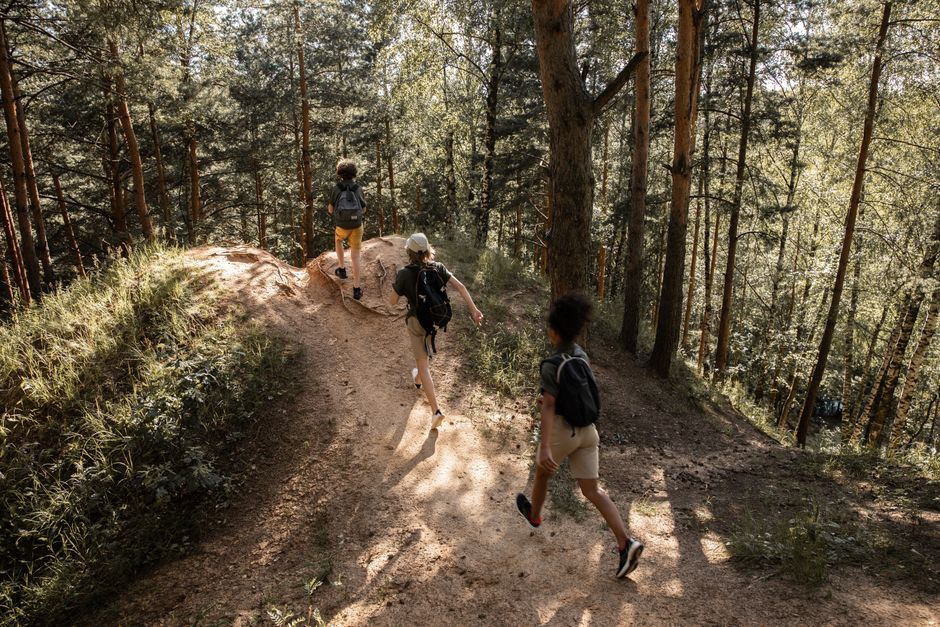
The strongest family choices combine a short climb, a clear destination and an easy way to shorten the route. They should also offer something interesting before the summit: a lake, woodland, waterfall or village. The table below uses typical route lengths, not fixed measurements. Paths, diversions and starting points can change the total.
| Walk | Typical distance | Time | Best for |
|---|---|---|---|
| Tarn Hows circuit | 3.2 km | 1–1.5 hours | Young children and first walking holidays |
| Orrest Head from Windermere | 4–6 km | 2–3 hours | Lake views with a manageable climb |
| Rydal Water circuit | 7–8 km | 2.5–3.5 hours | Older children who like variety |
| Catbells from Hawse End | 5–6 km | 2.5–3.5 hours | Confident walkers and a first fell summit |
Best easy option: Tarn Hows
Tarn Hows is the safest starting point for families who want scenery without a serious ascent. The circuit passes water, woodland and open viewpoints, so children get regular changes of scene. After wet weather, expect muddy or uneven sections rather than a smooth park path. Keep the pace slow and allow time for stops.
Best big-view option: Catbells
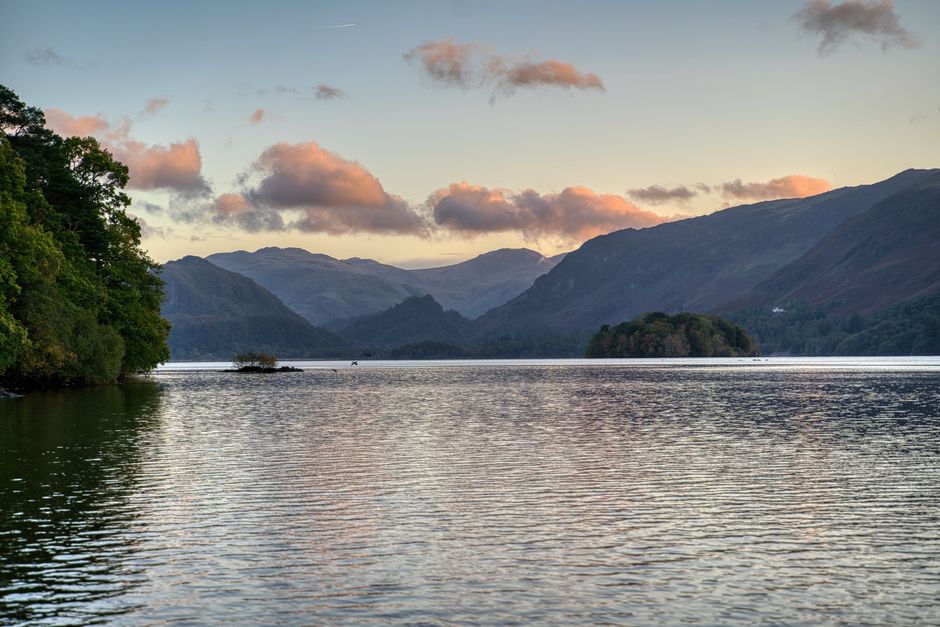
Catbells offers the most dramatic reward on this list, with views across Derwentwater and towards the surrounding fells. It is not a flat stroll. The approach includes a sustained climb, rocky sections and a narrow-feeling summit ridge for some children. Pick Catbells for a dry, calm day and turn around before the steepest section if confidence drops. For younger families, Orrest Head is the better view-to-effort choice.
How Should You Choose a Family Route?
Start with the child who will set the pace, not the adult who wants the highest summit. A route that looks short can still feel long when it includes wet grass, stiles, loose stones and a climb near the end.
- Set a realistic walking limit. For children under eight, begin with 3–5 km and plenty of time. Older children who already walk regularly may manage 6–9 km, but ascent matters more than distance.
- Check the height gain. A 5 km loop with 250 metres of ascent can feel harder than an 8 km lakeside path. Treat 300 metres of ascent as a serious family outing unless everyone has hill experience.
- Look for escape points. Routes near roads, villages, cafés or public transport are easier to shorten. A loop around a remote valley gives you fewer options when energy runs out.
- Match the path to the forecast. Low cloud removes summit views, strong wind makes ridges unpleasant and heavy rain can make streams unsafe to cross. Pick a lower route when the forecast is poor.
- Give the walk a purpose. A tarn, waterfall, ruined building, boat landing or picnic place keeps children moving better than a vague promise of scenery.
Use a simple go-or-change rule
Keep the route if the forecast shows good visibility, manageable wind and no period of heavy rain. Change it if cloud is already sitting on the tops, rain is falling steadily or the ground is saturated. The best family decision is often a shorter walk with a clear view instead of a longer route hidden in mist.
Plan the day around stops
Leave earlier than you think you need to. Allow one proper food stop, several short breaks and extra time for gates, photographs and slow climbs. Families usually enjoy a 90-minute walk that takes two hours more than a rushed three-hour route.
What Should Families Pack for May Walks?
Pack for the weather on the fell, not the weather in the car park. May sunlight can be warm, but wet ground, cold wind and sudden showers still create problems. Waterproof layers matter more than heavy clothing.
Clothing that solves real problems
Each person needs a waterproof jacket, a warm mid-layer, comfortable walking trousers and spare socks. Waterproof walking boots are the sensible choice because fell paths often stay muddy after rain. Avoid brand-new footwear on the first day; blisters can end a holiday quickly. A sun hat and sunscreen also belong in the bag because spring weather can change within an hour.
Food, water and navigation
Carry enough water for the planned route, plus food that children will actually eat when tired. Sandwiches, fruit, oat bars and small treats work better than one large meal. Bring a paper map and know the planned route before leaving. Phone batteries drain faster in cold or wet weather, and a navigation app cannot replace basic map skills in poor signal areas.
The small safety kit
Add a compact first-aid kit, blister plasters, a torch, tissues, hand gel and a fully charged phone. Check for ticks after walking through long grass or bracken. Keep children away from steep edges, fast water and unstable ground. The National Park walking safety guidance advises checking conditions, telling someone your route and being ready to turn back.
Do not rely on natural water sources for drinking. Rivers and tarns can look clean but may carry contamination, especially after heavy rain.
What Usually Goes Wrong on Lake District Family Walks?
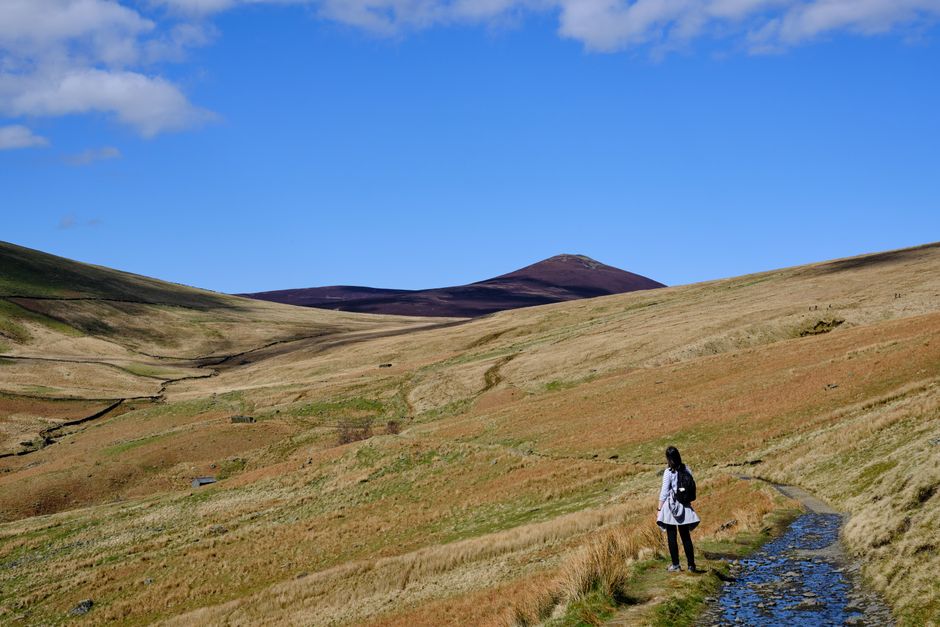
Most difficult family walks do not fail because the route is technically hard. They fail because the group starts too late, misreads the weather or saves the steepest climb for the moment everyone is hungry.
What if the weather changes?
Stop and reassess before the route becomes uncomfortable. Put on waterproofs while everyone is still dry. If visibility drops, wind rises or a stream becomes difficult to cross, turn back or use the nearest safe exit. Do not continue to a summit simply because it is close. A missed viewpoint is temporary; a cold, frightened child can affect the rest of the holiday.
What if a child refuses to continue?
Check the cause before giving a pep talk. Hunger, wet feet, blisters and overheating need a practical fix. If the problem is tiredness, shorten the route immediately. Carrying a small child on rough ground can be unsafe, so choose routes that allow a quick return to the car, village or transport stop.
When should you skip a high route?
Skip exposed ridges and summits when strong winds, thunderstorms, poor visibility or persistent rain are forecast. Choose Tarn Hows, a lower Rydal Water route or a short viewpoint walk instead. For families, the best Lake District walk in May is the one everyone finishes with energy left for the next day.