
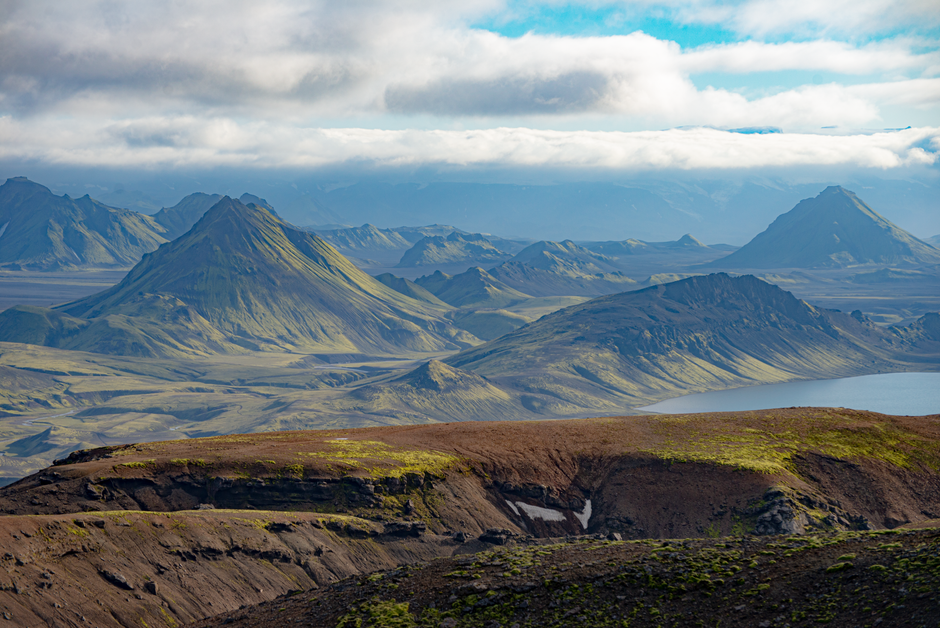
Late spring gives Iceland longer daylight, improving road-trip flexibility, but glaciers remain moving, cold, and exposed environments. A guided walk is the correct entry point for a first visit.
Which Iceland glacier hike suits a first visit?
Verdict: Choose a short, meet-on-location glacier walk if you are new to crampons, and choose Skaftafell when the glacier experience matters more than saving driving time. Sólheimajökull is easier to combine with the western South Coast. Skaftafell offers a longer approach to Vatnajökull’s outlet glaciers and makes more sense for travelers already staying near Höfn or the national park.
Sólheimajökull is the efficient choice
Sólheimajökull sits close to Route 1 and works well in a South Coast itinerary from Reykjavík. The walk is commonly shorter, so it suits travelers who want real glacier ice without giving up a full day to the activity. The tradeoff is a busier setting and less time on the ice.
Skaftafell is the stronger glacier experience
At Skaftafell, guided tours commonly use Falljökull, an outlet glacier of Vatnajökull. The setting feels more remote, and longer tours reach more varied ice terrain. Prices and availability change, so treat the figures below as advertised starting prices, not guaranteed quotes.
These tours are services, not safety guarantees. Read the meeting-point instructions carefully, because a Skaftafell booking may not begin at the main visitor centre. Direct operator pages such as Glacier Guides and Tröll Expeditions show the current route, age limits, equipment details, and cancellation terms.
How to prepare for a guided glacier hike in May
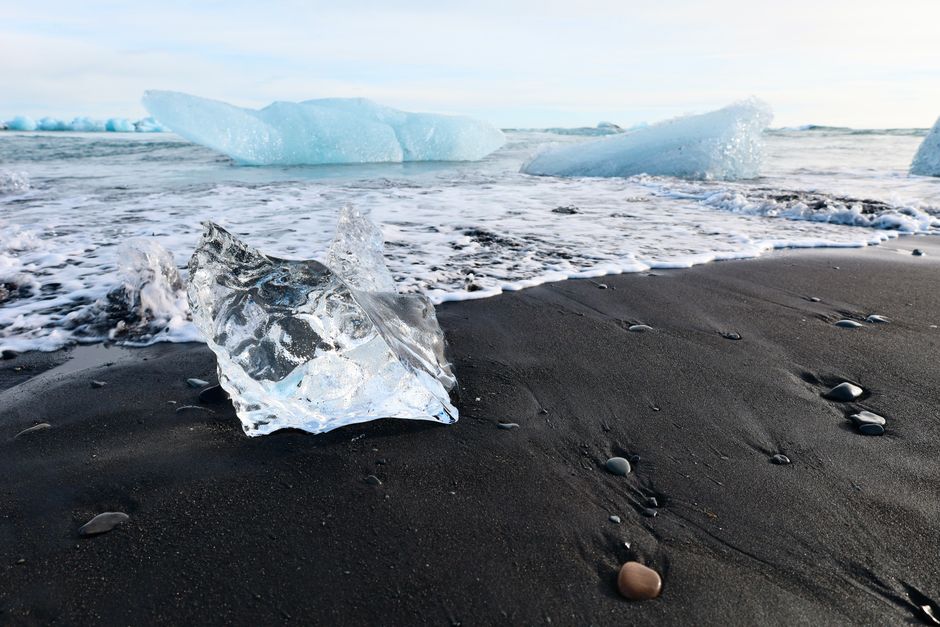
Verdict: Prepare for wind, rain, wet rock, and freezing conditions at the same time. Late-spring visitors fail more often through poor clothing and rushed logistics than through lack of fitness.
Pack in this order
- Wear ankle-supporting hiking boots with a firm sole. Operators may rent suitable boots, but confirm this before arrival rather than assuming ordinary trainers will pass the equipment check.
- Use a moisture-wicking base layer, a warm insulating layer, and a waterproof shell. Pack waterproof trousers. Jeans absorb water, restrict movement, and dry slowly.
- Bring thin gloves, a warm hat, sunglasses, sunscreen, water, and a small snack. Bright ice reflects light, while wind can make exposed skin uncomfortable within minutes.
- Carry only a small daypack. A large bag gets in the way when the guide adjusts crampons or demonstrates foot placement.
- Keep a dry set of clothes in the vehicle. The walk may be short, but the approach and return can involve rain, meltwater, or spray.
Complete the checks before leaving your hotel
Check the operator’s confirmation email, meeting coordinates, minimum age, fitness description, and cancellation policy. Then check the Icelandic Meteorological Office forecast and SafeTravel Iceland. A forecast that looks manageable in Reykjavík may not describe conditions on an exposed glacier tongue. Allow extra driving time for wind, roadworks, photo stops, and reduced visibility. Never make the glacier tour the same-day connection plan for a flight.
Tell the guide about asthma, heart conditions, pregnancy, recent injuries, or medication that affects balance. The guide can decide if the route or conditions are suitable; hiding a medical issue removes useful safety information.
Why a guide changes the risk calculation
Verdict: A guide is not a photographer who happens to carry crampons. The guide manages changing ice, route selection, group spacing, equipment fit, and the decision to turn around. That is why independent walking onto a glacier is not a reasonable beginner alternative.
Glaciers are moving terrain, not frozen hiking trails
A glacier can contain crevasses, weak snow bridges, meltwater channels, unstable ice towers, and loose rock near its edge. These hazards may not appear as obvious holes from a distance. A late-spring thaw can alter the route used earlier in the season. Fresh snow can hide a gap, while warm weather can enlarge water channels and soften the surface.
SafeTravel states that Icelandic glaciers are constantly moving and recommends a certified guide with local knowledge. The national park gives similar guidance for Falljökull, including appropriate equipment and experienced supervision. The relevant question is not whether a visitor feels adventurous. It is whether the route has been assessed for that day’s conditions.
What competent instruction should look like
Before stepping onto the ice, the guide should fit the crampons, explain how to walk with short deliberate steps, show how to use an ice axe if one is carried, and set rules for spacing and stopping. A good guide keeps the group together without forcing the slowest person to race. Ask who leads, how the group handles a fall, what happens if visibility worsens, and who makes the turn-around decision.
Do not confuse a dramatic photograph with a suitable itinerary. Ice climbing, moulin visits, and long routes require more time, strength, and technical instruction than a first glacier walk. For beginners, the safest useful lesson is usually basic movement on moderate terrain, not a difficult add-on.
Late-spring glacier hiking questions that change the plan
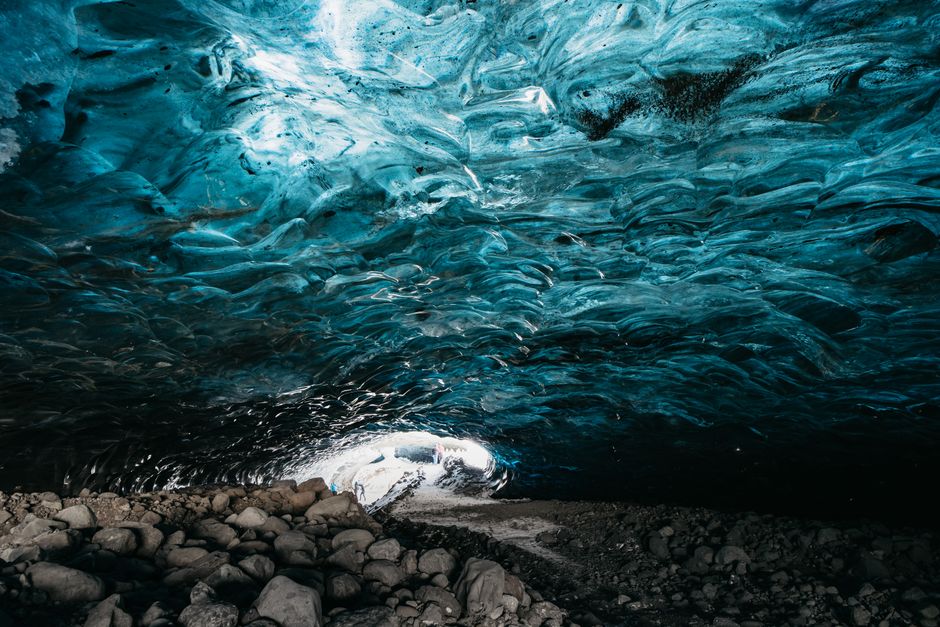
Verdict: Late spring is a good introduction when you accept that the glacier may dictate the schedule. The strongest plan includes a spare day and a non-glacier alternative.
Is late May warm enough for a glacier walk?
Warm air at sea level does not make the glacier warm. Expect wind, shade, wet surfaces, and rapid changes. Wear layers that can be adjusted while walking, and do not judge clothing by the temperature outside your accommodation. A mild morning can become a cold, rainy return journey.
Can a beginner join without climbing experience?
Most introductory guided walks do not require prior climbing experience. They do require enough balance and stamina to walk for several hours over uneven ground. The guide normally supplies technical glacier equipment, but the traveler must bring suitable footwear and follow instructions. An easy rating does not mean flat pavement.
When should you skip the tour?
Skip or reschedule if the operator cancels, road conditions make the drive unsafe, you cannot meet the footwear requirement, or you have an injury that affects balance. Do not book an ice-climbing upgrade simply because the basic hike feels too short. Choose a glacier viewpoint trail, a visitor-centre program, or a local waterfall walk when your body, weather, or schedule does not support the ice.