
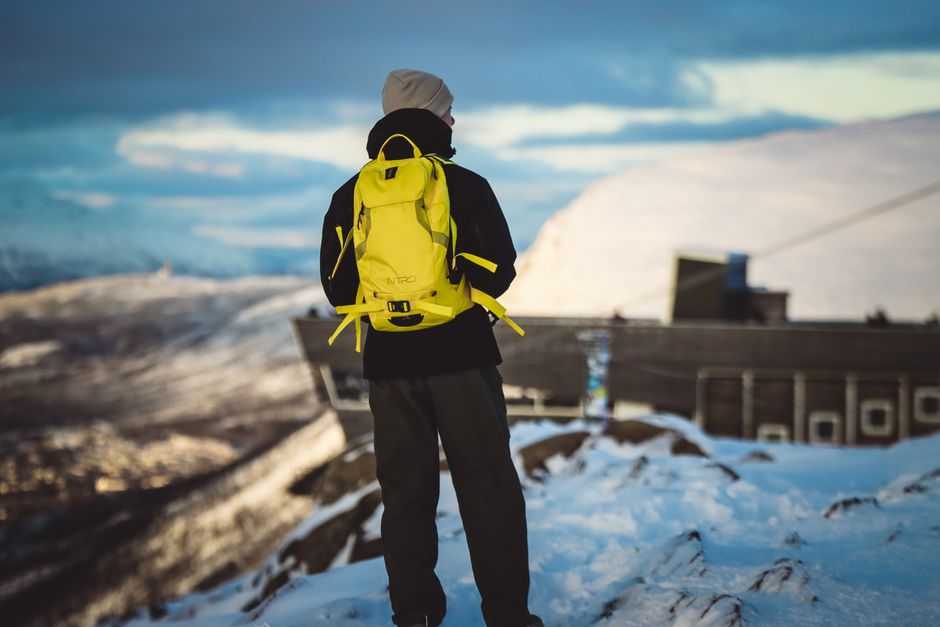
What a first Tyrol ski tour should look like
My recommendation is simple: make your first hut-to-hut weekend short, guided and easy to cancel. Pick one night, 500 to 700 metres of climbing per day, a staffed hut, a marked bailout route and terrain below the steep avalanche-prone slopes used by advanced ski mountaineers. A fit resort skier can handle the walking. That does not make the skier ready to read avalanche terrain alone.
Choose a one-night objective
The best first plan starts with a valley that has reliable road access and several route options. The Sellrain Valley, west of Innsbruck, works well as a planning base because villages such as Praxmar and Lüsens provide access to established winter touring terrain. A guide can match the exact hut and route to the snowpack, then change the plan if the forecast turns poor.
Keep the first day to four or six hours of moving time. Allow another hour for breaks, route checks and transitions from skins to skis. A two-hour approach followed by a simple hut evening teaches more than a heroic 1,400-metre climb that leaves everyone exhausted.
The route is a risk decision
A beginner route should avoid glaciers, narrow gullies, exposed ridgelines and long traverses above cliffs. It also needs a clear return option before the final climb. The right question is not, “Can I reach the hut?” It is, “Can I turn around safely from every point on the route?”
Book the hut only after checking its winter opening dates, staffed status and sleeping arrangements. Some Alpine huts operate with a winter room rather than a full restaurant, and that changes the food, water and cooking plan. A first weekend should feel controlled, not like a test of endurance.
How to prepare for avalanche terrain
The three-person rescue drill
Every member of the group should practise a rescue before leaving the valley. Turn all transceivers to send, confirm that every device shows a strong battery level, then run a search exercise with one hidden device. The person leading the drill should make each skier find the signal, follow the directional arrows, switch to fine search near the target and probe in a tight grid.
During a real avalanche, the group first watches the moving snow and marks the last seen point. Once the slope settles, one person calls emergency services while the others switch to search mode. Searchers move quickly across the debris, then slow down as the distance reading drops. Probing must continue until the probe hits a firm body-sized resistance, not just a buried ski or rock. Shovelling starts downhill from the probe strike so rescuers do not create a narrow hole above the buried person.
The one-at-a-time rule matters more than speed. Cross a suspect slope one skier at a time, with the rest of the group in a safe position. Keep visual contact. Do not stop in the middle of a gully, below a cornice or beneath a loaded slope.
The route decision that prevents trouble
Read the Tirol avalanche bulletin before departure and again at breakfast. Look at the danger level, problem type, elevation band, aspect and recent weather. A rating of 3 does not mean every slope is dangerous, but it does mean a first-time independent group should not improvise. Ratings of 4 or 5 are a strong reason to cancel a beginner tour.
Wind slabs can form overnight even when the sky looks calm. New snow can hide weak layers. Rain followed by a freeze can create hard, fast surfaces that punish a fall. A conservative guide will often choose a lower route, accept a shorter summit or turn around below the hut pass. That is a successful decision, not a failed trip.
Fitness helps, but it cannot replace terrain judgment. If the group cannot explain the avalanche problem, the safe islands between slopes and the retreat line, the group is not ready to continue.
Gear choices that save weight without hiding risk
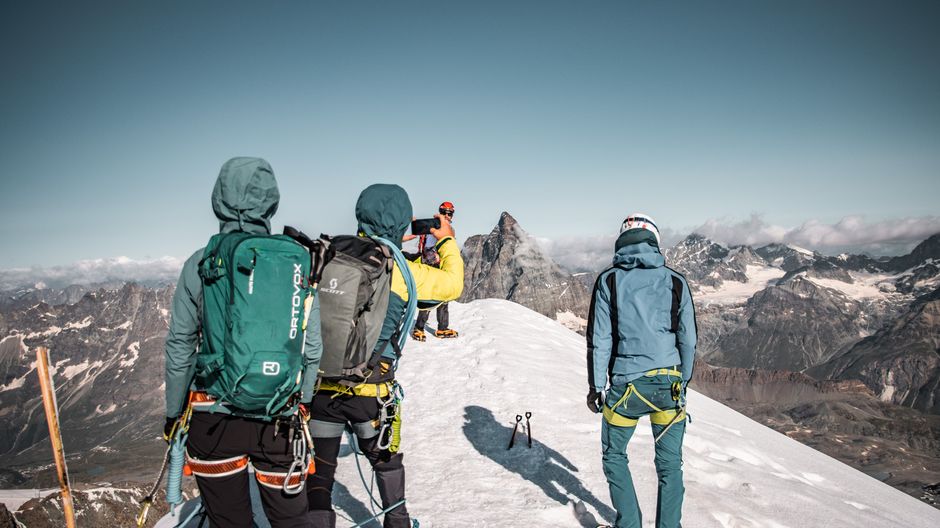
A first touring setup should be light enough for uphill travel and predictable enough for a tired skier. Chasing the lowest possible weight creates bad tradeoffs when the skier lacks technique. The following choices are useful reference points, not instructions to buy everything new.
- Choose moderate touring skis. The Dynafit Seven Summits weighs roughly 1,300 to 1,400 grams per ski, depending on length, and typically sells for about €650 to €800 as a ski-only package. Its moderate width and familiar shape suit a first season better than an ultralight race ski that feels nervous on variable snow.
- Use skins with dependable grip. Black Diamond GlideLite Mohair Mix skins use a mohair-nylon blend and cost about €160 to €190. The mixed fibre gives a better balance between glide and grip than pure mohair. Cut the skins carefully, leaving the steel edges exposed so traverses remain controlled.
- Carry a modern three-antenna transceiver. The Mammut Barryvox S2 costs about €380 to €420 and has a search range designed for standard recreational avalanche rescue. The exact model matters less than practice, fresh batteries and keeping the device under the outer clothing layer.
- Wear a certified climbing helmet. The Petzl Meteor weighs about 240 grams and normally costs €70 to €90. It protects against falling ice and rock as well as ski falls. A cycling helmet is not a substitute for an alpine helmet.
- Keep pack volume practical. The Ortovox Ascent 32+ S offers about 32 litres plus an expandable section and costs roughly €170 to €220. That is enough for a spare layer, food, water, first-aid items and emergency clothing without forcing everything into a tiny race pack.
Renting remains the better financial choice for most first-timers. A transceiver that has never been practised with is expensive decoration, and a lightweight ski that the user cannot control has a poor resale-value story.
Bottom line: the best beginner setup is the one that works with the skier’s boots, supports repeated rescue practice and remains controllable after six hours of climbing.
Tyrol hut-to-hut questions beginners ask
Can a fit resort skier do the weekend alone?
No. Resort fitness helps with climbing, but it does not teach avalanche forecasting, route selection, rescue leadership or ski technique on breakable snow. For the first trip, use a certified mountain guide or join a small group with a leader who knows the valley.
Is a hut reservation enough?
No. Confirm the hut’s opening date, meal service, water supply, sleeping format and winter-room access. Carry enough food for a delayed descent. Mobile coverage can disappear, so leave the route and return time with someone outside the group.
When should the trip be cancelled?
Cancel when the forecast, terrain and group skill do not match. Warning signs include a rising avalanche rating, strong overnight wind, heavy new snow, rain at altitude, poor visibility or a participant who cannot complete the rescue drill. A non-refundable €60 hut deposit is cheaper than a forced retreat in bad conditions.
What makes a route beginner-friendly?
Look for a 500 to 700 metre daily climb, open terrain with low-angle alternatives, a staffed hut, a reliable valley exit and no glacier travel. Four to six hours of movement is enough for a first day. The guide should be able to describe the route’s safe waiting areas and the exact point where the group will turn back.
Ski touring will keep becoming easier to access as rental shops, guides and hut networks improve. The strong long-term habit is already clear: learn the terrain first, buy equipment slowly and treat a changed plan as part of the mountain experience.