
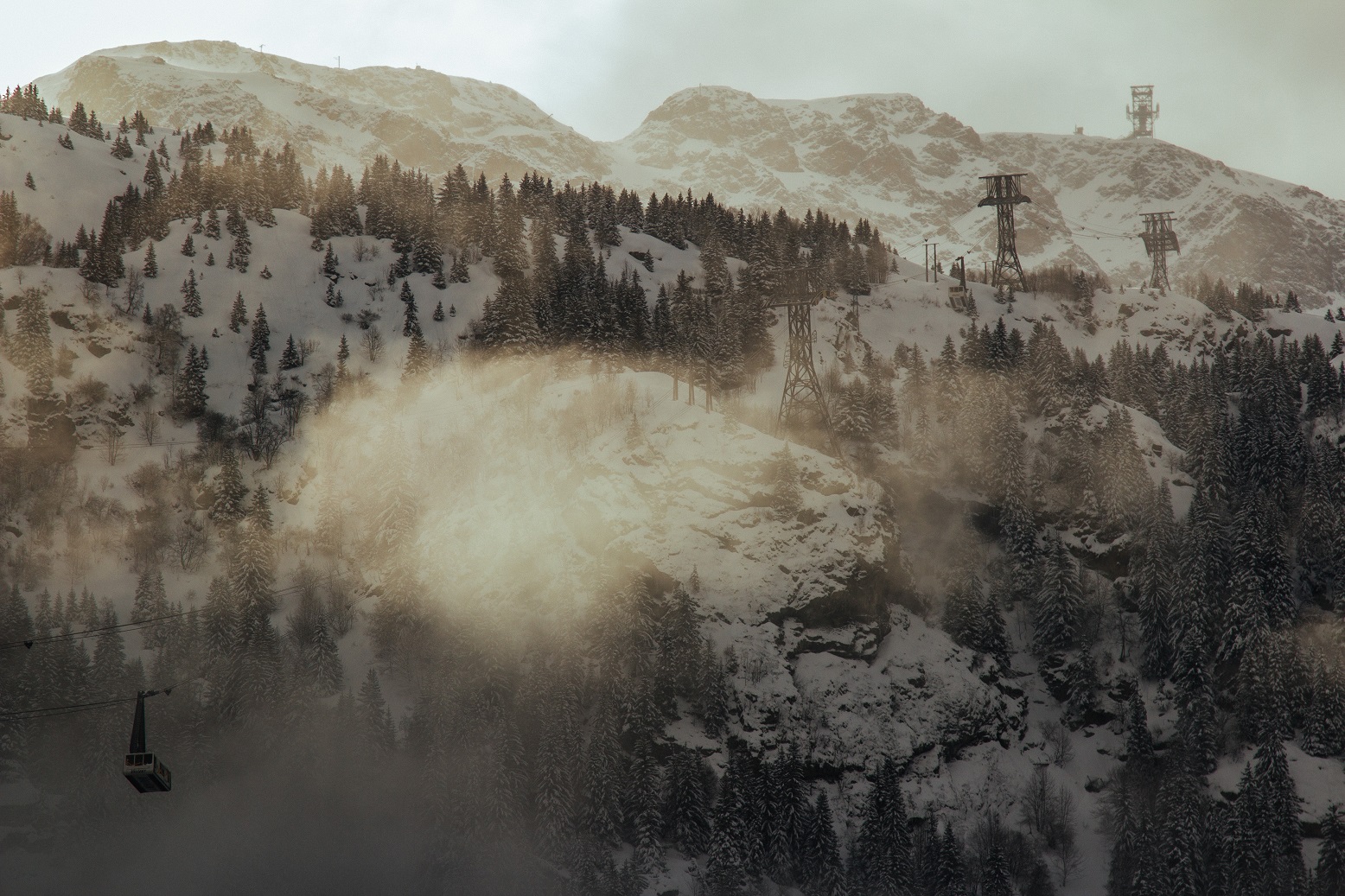
Which ski resort actually justifies $3,000–$6,000 in flights, lodging, and lift tickets? That’s the question worth asking before you book anything — not “which looks best in photos,” but which resort delivers terrain, snow reliability, and real value for what it charges. The five destinations below earn their reputation. Not all of them will earn yours.
The 5 Resorts: Terrain, Snow, and Real Costs Side by Side
Before committing to anything, here’s the honest comparison.
| Resort | Country | Skiable Area | Annual Snowfall | Day Lift Ticket (2026 Peak) | Best For |
|---|---|---|---|---|---|
| Whistler Blackcomb | Canada | 8,171 acres | ~10m (33 ft) | CAD $219–$249 (~USD $160–$185) | All levels, big mountain runs |
| Zermatt | Switzerland | 360km of pistes | ~5m (16 ft) | CHF 93–107 (~USD $105–$120) | Intermediates, scenery, late season |
| Niseko United | Japan | ~900 hectares | ~15m (50 ft) | ¥8,500–¥11,000 (~USD $57–$73) | Powder chasers, tree skiing |
| Val d’Isère | France | 300km (Espace Killy) | ~7m (23 ft) | €58–€72 (~USD $63–$78) | Experts, off-piste, value seekers |
| Aspen Snowmass | USA | 5,527 acres (4 mountains) | ~8m (26 ft) | USD $199–$259 | Luxury seekers, strong intermediates |
Whistler Blackcomb: North America’s Most Complete Mountain
Whistler Blackcomb sits 125km north of Vancouver in British Columbia. Two mountains — Whistler and Blackcomb — connected by the PEAK 2 PEAK gondola, which spans 436 meters above the valley floor and holds a world record for highest cable car over continuous terrain. Largest ski resort in North America: 8,171 acres, 200+ runs, 37 lifts, 5,020-foot vertical drop. Season runs December through April, with upper glacier terrain accessible into May.
Day tickets at CAD $219–$249 accumulate quickly. A 7-day lift pass costs CAD $1,500–$2,000 per person. Hotels in Whistler Village start around CAD $250/night for budget options — USD $400–$700/night is more realistic for anything comfortable. Not a cheap trip by any standard.
What justifies that cost: terrain diversity that genuinely works for beginners and experts simultaneously. Creekside has dedicated beginner zones with slower lifts. Blackcomb Glacier suits experts well into spring. You won’t exhaust this mountain in a week.
Bottom Line: Best value on this list for North American travelers. A group with mixed skill levels can actually enjoy the same trip, which is rarer than it sounds.
Zermatt: The Matterhorn View Is Worth Something — But Not Everything
Zermatt sits at 1,620m in the Swiss Alps and connects to Cervinia, Italy — you can ski into Italy for lunch and return to Switzerland by afternoon. The highest skiable point reaches 3,883m at Kleine Matterhorn, giving it genuine glacier skiing and year-round terrain at the top. The glacier at Theodul stays open in July and August. That kind of snow reliability at high altitude is genuinely rare.
The car-free village — only electric taxis and horse-drawn carriages — keeps the atmosphere calmer than most resorts of its size. The Matterhorn backdrop, viewed from Gornergrat or Rothorn, is spectacular in a way that no marketing photo fully captures.
Prices are Swiss-level expensive everywhere. CHF 100+/day for lift tickets, CHF 200–500/night for hotels. A 7-day trip for two easily crosses CHF 6,000 (~USD $6,700) before flights. Go for the scenery, the late-season glacier access, and the cross-border skiing. Don’t go expecting powder.
Bottom Line: Worth it if ambiance and snow reliability matter as much as terrain. Skip it if chasing deep powder is the primary goal — Niseko wins that comparison by a wide margin.
Niseko United: The Best Powder on Earth
Niseko United links four resorts on Hokkaido: Grand Hirafu, Hanazono, Niseko Village, and Annupuri. Siberian air picks up moisture crossing the Sea of Japan and drops roughly 15 meters (50 feet) of it on Hokkaido each season. The result is dry, low-density powder that skis unlike anything in the Alps or Rockies — a genuinely different experience in feel and effort.
Lift tickets are the cheapest on this list at USD $57–$73 for the full Niseko United pass. Decent hotels in Hirafu start around USD $100–$180/night. The weak yen as of 2026 makes this the strongest value-to-experience ratio on the entire list, even before factoring in the snow quality.
Japanese authorities allow lift-accessed backcountry gates — untracked powder fields that would be roped off at most North American resorts are simply open here. Independent rental shops like Rhythm Niseko and Niseko Sport consistently outperform the resort’s own gear in quality and tuning.
The honest catch: 14–18 hours of travel from North America or Europe. Factor it in before booking.
Bottom Line: If powder is your primary reason for skiing, Niseko has no competition. The volume, quality, and accessible backcountry terrain are unmatched by anything else on this list.
Val d’Isère: France’s Expert Mountain With Underrated Value
Val d’Isère connects with Tignes to form Espace Killy — 300km of pistes ranging from 1,550m to 3,456m. The terrain skews expert. The Bellevarde face is steep and wide. Off-piste options are serious and extensive. Day tickets run €58–€72 for the full Espace Killy pass, making it the second cheapest on this list behind Niseko — good value by Alpine standards.
Accommodation in the village averages €250–€350/night. The Savoyard food — raclette, tartiflette, fondue savoyarde — is genuinely better than what you’ll eat in Zermatt, and the après-ski scene is more casual and considerably less expensive than Aspen.
Late April and early May are chronically underrated here. Long daylight hours, softening morning snow, strong visibility, and prices 30–40% lower than peak January make it a very different trip to the same mountain.
Bottom Line: Best overall value for expert skiers on this list. Strong intermediates ready to push themselves will also improve faster here than anywhere else — the terrain forces it.
Aspen Snowmass: Four Mountains, One Very Expensive Bill
Four distinct mountains: Aspen Mountain (Ajax), Aspen Highlands, Buttermilk, and Snowmass. Combined: 5,527 acres, 336 runs, 45 lifts. Buttermilk suits beginners well. Highland Bowl at Aspen Highlands requires a 30-minute hike from the lift and delivers genuinely committing expert lines when open. Snowmass is where most intermediate skiers spend most of their time — wide, well-groomed, and accessible.
Day tickets at USD $199–$259 are among the most expensive ski tickets in the world. Mid-range hotels run USD $400–$700/night in peak season. Dinner for two at a decent restaurant: USD $120–$180 before wine.
The skiing is excellent. Aspen is not coasting on celebrity reputation — the terrain earns it. But compared to Whistler (similar terrain, 30–40% lower total trip cost), it’s difficult to justify the premium unless the luxury infrastructure specifically matters to your trip.
Bottom Line: Great mountain, overpriced for what it delivers against the alternatives. Best suited for travelers who want luxury services alongside serious skiing — not just skiing.
What Great Snow Actually Means and Why It Should Drive Your Decision
Every resort marketing team calls their snow legendary. Here’s what that means in practice.
Snow quality is a function of temperature and humidity. Cold, dry Siberian air hitting Hokkaido produces low-density powder — light, easy to move through, forgiving. Warmer, moist European air produces denser, heavier snow that takes more effort. If you’ve only ever skied European resorts, skiing Niseko powder feels like a different sport. That’s not hyperbole. It’s just physics.
Snow reliability is a separate variable. A resort can get great powder when it snows and terrible conditions when it doesn’t. High-altitude resorts — Zermatt at 3,883m peak, Val d’Isère at 3,456m — maintain snowpack better through mild winters than lower-altitude resorts sitting at 1,000–1,500m base elevations.
Why Base Elevation Matters More Than Total Snowfall
A resort receiving 8 meters of annual snowfall at an 800m base loses it faster during warm spells than one receiving 5 meters at 1,800m. Read both numbers together. Zermatt’s glacier is reliable year-round because of altitude, not volume. Niseko compensates through sheer quantity — 15 meters means warm spells can’t exhaust the base before the next storm cycle arrives.
Whistler and Aspen sit at middle elevations and are increasingly vulnerable in mild winters. Both have had seasons with poor snow at lower elevations while upper terrain held. Book upper-mountain accommodation or verify historical season conditions for those years before committing to either resort in a warm-year forecast.
Season Timing: The Honest Breakdown
Peak season — Christmas through New Year and February school holidays — brings:
- Lift queues of 30–60 minutes at Whistler, Zermatt, and Aspen on busy weekends
- Hotel rates 40–80% higher than January or March
- Restaurants in resort towns requiring reservations weeks in advance
- Groomed runs that are genuinely crowded from 9:30am onward
January outside school holidays is the best compromise at most resorts. Cold temperatures mean strong snow conditions, crowds drop 40–50%, and prices fall meaningfully. Early March works similarly and often gets better weather and visibility. Avoid the last two weeks of December and first two weeks of February unless you’ve booked six months ahead.
What Piste Maps Don’t Tell You
Piste maps are marketing documents. A resort claiming “300km of pistes” might count the same run in multiple directions or include terrain that’s rarely open. The metrics worth trusting: vertical drop and groomed-run count. Whistler’s 5,020-foot vertical is real. Aspen Mountain’s 3,267-foot vertical is real. Vertical is harder to inflate than distance. Check it first when comparing resorts.
Five Booking Mistakes That Cost Skiers Hundreds
- Booking accommodation at the wrong distance from lifts. A cheaper hotel a 15-minute shuttle ride from the gondola base sounds fine until you factor in the time cost across a 7-day trip. That’s roughly 3.5 hours of total transfer time you didn’t budget. Ski-in/ski-out or a five-minute walk to lifts is worth paying for at any resort on this list.
- Skipping pre-purchased lift passes. At Whistler and Aspen, gate prices during peak periods run 20–30% higher than online advance rates. Book lift passes 4–6 weeks ahead for best pricing. At Niseko, the price difference is smaller, but availability on the Niseko United all-mountain pass can be limited in peak January weeks.
- Renting gear at the cheapest shop available. Poorly-tuned, heavy rental skis make skiing 30–40% more tiring. Independent shops — Rhythm Niseko in Japan, Sport Brun in Val d’Isère — typically offer better quality than resort-owned rental centers at comparable or lower prices. Ask what year the equipment was purchased and whether edges are sharpened daily. If the shop can’t answer, walk out.
- Choosing a resort that doesn’t match your ability. A beginner at Val d’Isère will spend the week on two runs while the rest of the mountain sits unused. An expert at Buttermilk will be bored by noon. Mismatched terrain is the most common reason group ski trips fail. The comparison table at the top of this article exists to solve exactly this problem.
- Underestimating après-ski costs. At Aspen and Zermatt, après-ski easily runs USD/CHF 50–100 per person per evening for drinks and snacks. At Niseko, the same evening costs USD $15–$30 including ramen. Budget explicitly for evening spending or it will blow your overall budget without you noticing — especially at Umbrella Bar in Zermatt or at J-Bar in Aspen.
When to Skip These Resorts Entirely
Skip Aspen if your budget is tight — Whistler delivers 90% of the terrain experience at 60–70% of total trip cost. Skip Zermatt if deep powder is the primary motivation; reliable mountain, not a powder mountain. Skip Niseko if a 16-hour flight genuinely disrupts you for three days — the best powder in the world won’t help if jet lag eats half your trip.
All prices quoted are approximate 2026 peak-season estimates. Exchange rates fluctuate. This is not financial or travel advice — always verify current pricing before booking.
Matching Resort to Skill Level: Three Direct Answers
You’re a Beginner or Returning Skier — Where Do You Go?
Whistler Blackcomb. Full stop. The Creekside area has dedicated beginner zones with slower lifts and consistently well-maintained green runs. The ski school is large, well-staffed, and handles first-timers without the long waits that plague smaller operations. Aspen’s Buttermilk is another solid option if you’re already in Colorado, but the total cost makes Whistler the cleaner recommendation for anyone flying specifically for a ski trip.
Don’t book Val d’Isère as a beginner. The mountain skews expert throughout and you’ll spend a week on a small cluster of easy runs while the rest of the terrain sits unused. It’s a poor use of money and a worse use of a trip.
You’re an Intermediate Skier Who Wants a Real Challenge
Zermatt or Val d’Isère. Zermatt offers enough variety that strong intermediates can push their limits while still having comfortable options available when tired. Val d’Isère’s Espace Killy delivers genuinely challenging groomed runs — not just off-piste — that actively improve your skiing over a week. A week on Bellevarde’s face will make you better. A week on Zermatt’s upper mountain will expand your comfort zone measurably.
Niseko suits intermediates well but specifically for powder. If you haven’t skied deep powder before, day one will be humbling regardless of how strong you are on groomed runs. Know that going in and it’s worth it. Miss it and you’ll feel like a beginner the entire first half of the trip.
You’re an Expert or a Powder Chaser — One Answer
Niseko, without debate. The combination of 15 meters of annual snowfall, lift-accessed backcountry gates, and extensive tree skiing isn’t matched by anything else on this list. Val d’Isère is a strong second for experts who want serious off-piste — the Couloir de l’Imbaud and the Bellevarde face are committing lines with real consequence. Aspen Highlands’ Highland Bowl delivers expert terrain worth the hike, but it’s weather-dependent and not guaranteed to be open on any given day.
Back to the original question: which resort actually justifies the cost? For most North American skiers, it’s Whistler. For powder obsessives anywhere in the world, it’s Niseko — and it’s not close. For expert European skiers who want the most skiing per euro, Val d’Isère beats both Zermatt and Aspen on value. The terrain data is honest. The marketing often isn’t. Match the mountain to what you actually ski, not to the photos that convinced you to start searching in the first place.