
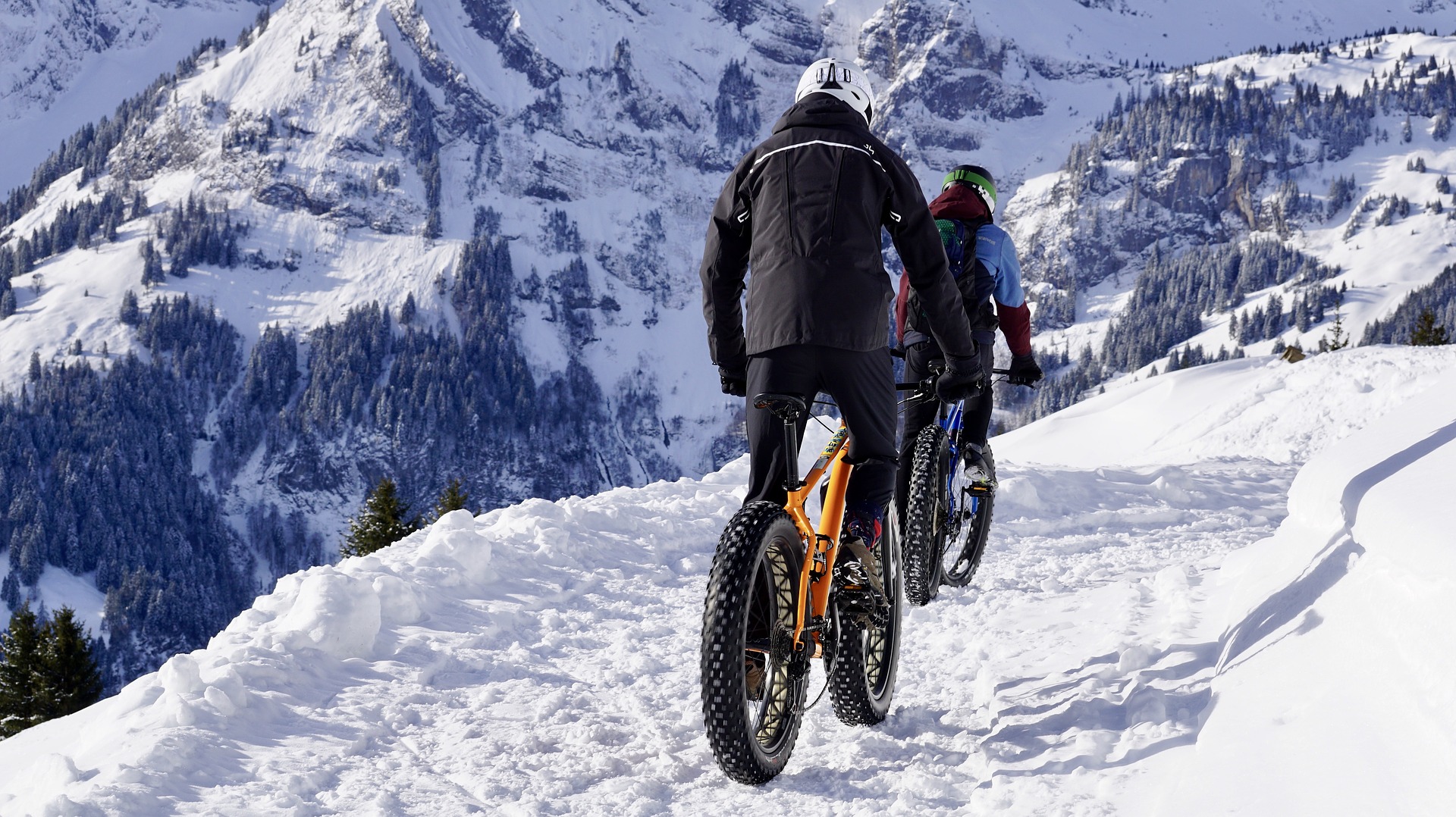
About one in five winter visitors to the French Alps never clips into a ski binding. The Alps attract roughly 11 million visitors each winter — which means over 2 million people arrive every season specifically looking for something other than piste maps and lift queues.
The problem is that most non-skiing activity guides are the same vague six suggestions repeated endlessly. This one isn’t. Every activity below comes with specific operators, real price ranges, and an honest answer to whether it’s actually worth doing.
Some of these require advance booking weeks out. One involves a frozen waterfall. Another costs less than a standard lift ticket. Here are six activities that hold up on their own terms.
Snowshoeing: The Most Underestimated Activity in the Alps
Snowshoeing gets written off as hiking but slower. That framing misses the point entirely. At altitude in the French Alps, snowshoes open up terrain that’s simply inaccessible any other way in winter — frozen lakes, silent pine forests, ridge walks with views that match anything you’d see from a gondola, without the crowds or the queues.
The barrier to entry is almost zero. Rentals cost €10–15 per day at most resort sport shops. Dozens of marked trails require no guide, no experience, and no fitness level beyond being able to walk for two hours without stopping.
Which resort suits non-skiers best?
The answer depends on what else you want to do during your trip. Here’s how the main French Alps resorts compare across all six activities :
| Resort | Snowshoeing | Dog Sledding | Ice Climbing | Thermal Spa | Scenic Train |
|---|---|---|---|---|---|
| Chamonix | Excellent (18+ marked trails) | Not available | Excellent | Good (€35/day) | Good (Mont Blanc Express) |
| Megève | Good (12 trails) | Excellent | Not available | Good (€50–60/day) | Not available |
| Tignes | Good (8 trails) | Available | Good | Not available | Not available |
| Les Gets | Good (10 trails) | Available | Not available | Not available | Not available |
| Saint-Gervais | Good (15+ trails) | Not available | Not available | Excellent (€22–30/day) | Excellent (terminus) |
For a non-skiing trip built around multiple activities, Chamonix is the strongest base. It has the highest concentration of non-ski options within walking distance of the town centre — and the scenery is unmatched in the region.
Guided tours vs. going solo
For a first time out, a guide makes a genuine difference. Not because the trails are technically dangerous, but because local guides know which routes peak early in the morning before other walkers compress the snow, and which viewpoints reward the extra hour of walking. In Chamonix, Traces Blanches runs half-day guided snowshoe tours for €45–65 per person with a maximum group size of 8. That group cap keeps the pace relaxed and the experience closer to exploring with a knowledgeable local than being herded along a conveyor belt.
Solo hikers should download AllTrails before leaving home. The GPS-tracked routes include user photos from recent weeks showing real snow conditions — infinitely more useful than resort-produced trail maps that haven’t been updated since October.
One practical tip: start early. Popular snowshoe trails in areas like Chamonix get icy and boot-packed after midday as other walkers compress the surface. The 8am crowd has the best conditions and the clearest views.
What gear is actually necessary?
Rent the snowshoes. Unless you’re visiting three or four times per season, buying a pair — the MSR Lightning Ascent runs around $220 / €200 — doesn’t make financial sense for one trip. Resort rental shops carry solid aluminium-frame models that handle groomed trails and moderate off-trail terrain equally well.
The item worth buying before you leave: waterproof hiking boots with ankle support. Merrell’s Thermo Rogue 3 GTX (around $180) covers snowshoeing, general winter walking, and everything in between. Standard trainers in alpine snow is a mistake a lot of first-time Alps visitors make — cold and wet within the first hour, and the rest of the day becomes a misery exercise.
Dog Sledding: Book Three Weeks Out or Accept Disappointment
Dog sledding in the French Alps is one of the best winter experiences you can book — the only thing standing between you and it is the booking window. Near Megève, Yeti Emotions runs 2-hour introductory sessions for €90–110 per adult where you actually drive the sled yourself, not just sit in the basket being pulled. January and February slots fill up 3–4 weeks in advance without exception. Tignes also offers shorter 45-minute options through the resort activity desk (€75–95) that work better for families with children under 10.
Ice Climbing on Frozen Waterfalls — Beginners Can Do This in an Afternoon
Chamonix is the world capital of alpinism. The Compagnie des Guides de Chamonix, founded in 1821, is the oldest mountain guiding organisation on earth. This is where climbers have come for two centuries to push the limits of what’s possible on ice and rock. None of that history requires you to be an expert to participate.
Every winter between December and early March, the French Alps freeze dozens of waterfalls — cascades de glace — ranging from 10-meter beginner walls to 300-meter expert routes that take full days. The beginner versions are rigged with fixed anchors, top ropes, and a guide whose entire job is coaching your technique from the ground while you work your way up. You wear crampons, carry two short ice axes, and swing your way up a wall of blue-green ice while a snow-covered valley drops away below. It is, objectively, cinematic in a way that a ski run simply isn’t.
What a beginner ice climbing session actually involves
A typical half-day introduction runs 4–5 hours total, including the walk-in to the ice wall and gear setup. The guide provides all technical equipment: crampons, ice axes, harness, and helmet. You bring warm base layers — more than feels necessary, because you stand stationary a lot while waiting for your turn — plus waterproof outer layers and gloves genuinely rated for below-freezing temperatures. The thin stretchy gloves you’d wear in a British winter are not adequate here.
The Compagnie des Guides de Chamonix charges €70–90 per person for beginner group sessions with a maximum of 4 climbers per guide. Private guiding runs €280–320 for a half-day for one person. For groups of 3 or 4 people, the group rate makes this one of the better-value experiences available in the Alps — competitive with a single day of ski hire and lessons for a beginner.
Timing matters significantly. January and early February are the most reliable months for stable ice conditions. A warm spell in late February can soften routes or reduce options entirely. Book for early January if your dates allow, and confirm with the guide service 48 hours before — reputable operators will relocate or reschedule sessions when conditions aren’t right rather than run a compromised experience.
Frozen via ferrata: the lower-commitment version
In Tignes, the Cascade de la Sachette has a winter via ferrata route that runs alongside a frozen waterfall. Via ferrata uses fixed metal cables, rungs, and ladders bolted directly into rock — you stay clipped in continuously, so it demands less raw technique than pure ice climbing but delivers comparable scenery and the same genuine sense of exposure.
The Tignes tourist office runs group sessions on this route for €55–75 per person from January through mid-March, capped at 8 people per group. It’s a half-day commitment and considerably more accessible for visitors who want the frozen waterfall experience without spending two hours on front-pointing technique first.
The most common mistake across both ice climbing and via ferrata is arriving underdressed. Take the valley floor forecast temperature, subtract 5°C for the altitude where the routes actually are, and dress for that number. Base layer, mid-layer, insulated jacket, waterproof shell over the top, and chemical hand warmers in your pocket for when you stop moving. That’s the kit that keeps the day enjoyable rather than just survivable.
Thermal Spas: Three That Are Worth Making the Trip For
Sitting in geothermal water while snow falls outside sounds like a travel brochure cliché right up until you’re actually doing it. Then it’s just excellent. The French Alps have natural thermal springs at several locations, and quality varies considerably. Three consistently deliver:
- Thermes de Saint-Gervais-les-Bains — The most scenic option, especially if you arrive by the Mont Blanc Express train. Day entry runs €22–30. The water is genuinely geothermal rather than simply heated tap water, and the outdoor pool with direct mountain views is worth the journey alone. Book online in advance during peak January-February weeks — it sells out regularly.
- Les Thermes de Brides-les-Bains — Ten minutes from Méribel and the largest thermal complex in the region. Day spa access costs €35–50. Less dramatic scenery than Saint-Gervais but considerably more facilities: multiple pools at different temperatures, steam rooms, and treatment rooms available for an additional charge. The better option if you want a full day of thermal bathing rather than a two-hour dip.
- Les Bains de Chamonix — Not geothermal (the water is heated), but the outdoor section with a direct view of the Mont Blanc massif partially compensates. Day passes start at €35. Attached to a hotel, so weekday mornings are substantially quieter than weekend afternoons.
One practical detail: bring flip-flops. The floors between pools get genuinely cold in winter, and every spa will either require them or sell you a pair by the entrance for approximately four times what they cost in any supermarket.
Midweek mornings are the correct time to visit any of these. Saturday afternoons in peak January can get crowded enough to cancel out the entire point of going.
The Mont Blanc Express and Night Sledging: Two Activities People Keep Overlooking
Is the Mont Blanc Express worth a full day?
Yes, without qualification. The Mont Blanc Express is a narrow-gauge cog railway running from Saint-Gervais-les-Bains up to Chamonix, gaining 1,000 meters of altitude over roughly 50 minutes. It passes through dense pine forests, over viaducts, and alongside the edge of glaciers — terrain that normally requires hours of hiking to reach at all. A return ticket costs around €25.
The optimal approach: take the early morning train from Saint-Gervais (first departure around 7:20am), spend 3–4 hours exploring Chamonix on foot, have lunch at one of the riverside restaurants along the Arve, then return by the afternoon train. Add the Thermes de Saint-Gervais in the evening and you’ve built a complete day of non-skiing activity for under €70 total including a reasonable lunch. That undercuts a standard beginner ski day by roughly half.
One extension worth knowing: the Montenvers rack railway from Chamonix up to the Mer de Glace glacier runs year-round at €35 return and deposits you at an ice cave carved directly into the glacier itself. The access path to the cave gets icy in winter — take the complimentary crampons offered at the top station. Several visitors skip this step and spend an unpleasant 15 minutes on a path they could have managed comfortably with the right footwear.
Where to find night sledging in the French Alps
Night sledging — luge nocturne in French — involves taking a lift to a floodlit sledge run after dark and coasting down on a plastic sled. It sounds straightforward. The reality is considerably faster and colder than most people expect, and substantially more fun than its modest description suggests.
Les Gets runs a 2km floodlit course on several evenings per week throughout January and February. Entry including lift and sled hire costs €15–20. Megève also runs night sledging on specific evenings through the resort activity programme — the schedule varies each season, so check their website once your travel dates are confirmed. Morzine’s Pleney run covers approximately 1.8km with a 300-meter vertical drop; the lower section picks up meaningful speed, which is where most first-timers end up briefly in a snowbank before getting back up laughing.
Minimum age is typically 6–8 across most resorts. Runs close when temperatures drop below about -12°C or visibility deteriorates significantly — which means a rough weather forecast can cancel the evening, so have a backup plan.
Those 2 million non-skiing winter visitors to the French Alps each season aren’t settling for a secondary experience — many of them are reaching parts of the mountains that skiers moving between groomed runs never see. A frozen waterfall in a back valley above Chamonix. Geothermal water steaming in open air while snow settles on the peaks above. A narrow-gauge train climbing through silent forest before 8am with no one else in the carriage. None of it requires a lift pass.