
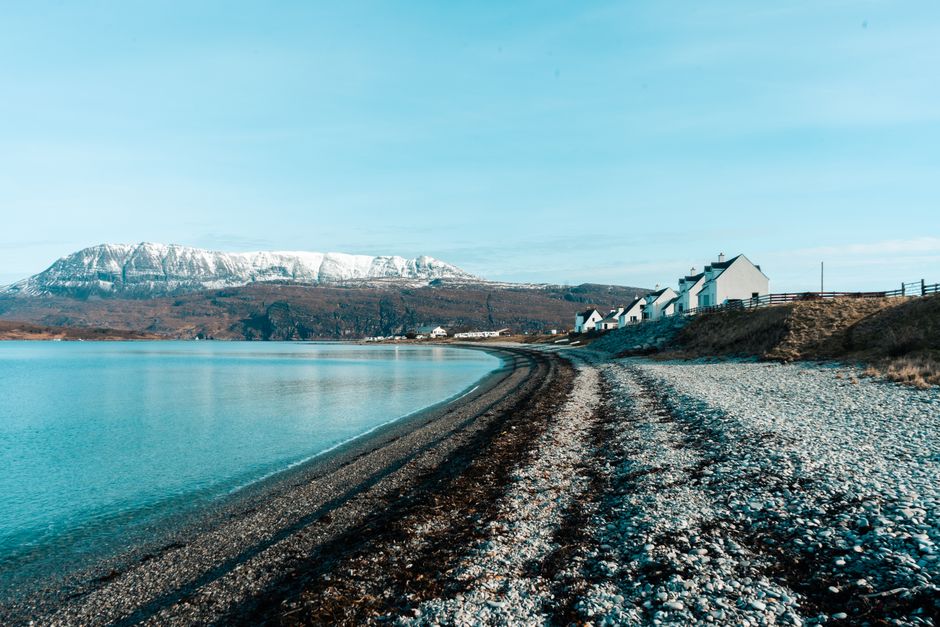
June is one of the best months for a multi-day Highland trek, but only if you plan for cold rain, strong wind, wet ground and midges rather than assuming summer means warm, dry weather. The winning approach is simple: choose a modest route, carry a shelter that can handle exposed pitches, check the mountain forecast every day and keep a proper escape plan.
Is June a Good Month for Wild Camping in the Highlands?
Verdict: June is a good month for wild camping in the Scottish Highlands if you can handle four-season weather and long, wet days.
What June weather really means
The 1991–2020 Northern Scotland climate averages show a June maximum temperature of about 14.8°C, a minimum of 7.6°C, around 92.8mm of rain and more than 14 days with at least 1mm of rainfall. Those figures describe lowland and regional averages, not the conditions on a 900-metre ridge, where wind chill, cloud and driving rain can make the day feel much colder. The Met Office June climate data gives a useful baseline, but the mountain forecast matters more than a town forecast.
When June works best
Plan for a three- or four-night trip with flexible camps, start walking early, and keep at least one low-level day available if cloud drops onto the summits; this gives you the best balance of long daylight, manageable temperatures and a realistic response to bad weather, while the Scottish Outdoor Access Code sets the standard for responsible lightweight camping.
How Should You Plan a Multi-Day Highland Route?
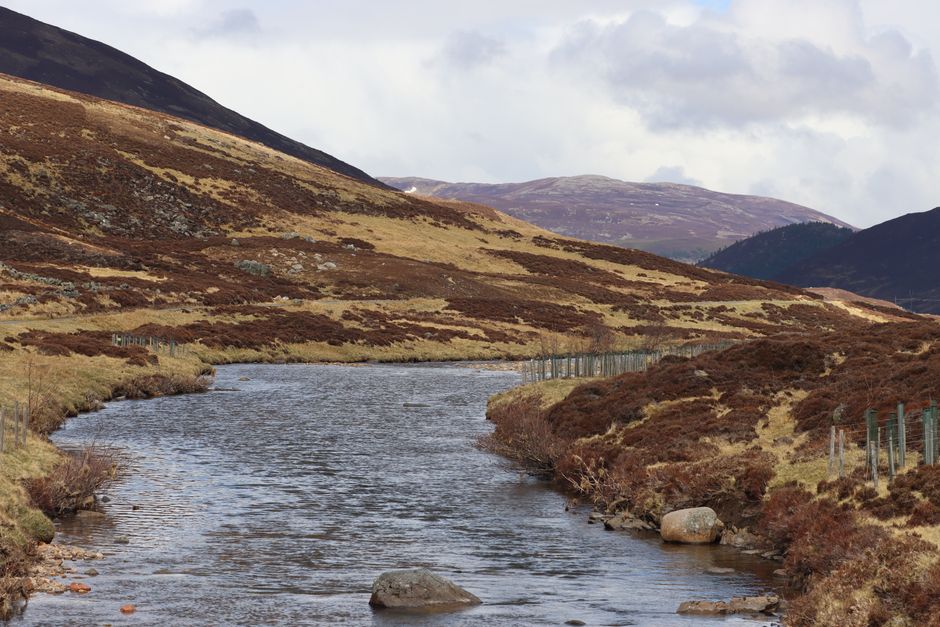
Plan the route around escape points, not just summits. A three-day itinerary that crosses a high pass every afternoon can fail after one wet morning, while a route that follows a glen or links two transport points gives you options. Begin with a paper map and a downloaded digital map, then mark water sources, road crossings, bothies, villages, public transport, mobile dead zones and two lower-level alternatives.
Use a route shape that can absorb bad weather
For a first trip, aim for 12–16km per day with a loaded pack and keep climbing below about 600–800 metres on the wettest forecast days. Add time for boggy ground, river crossings, navigation checks and pitching the tent. Walking distances that look easy on a dry map can take much longer when the trail turns into saturated peat or loose stones.
A practical three-night planning template
| Day | Target | Planning limit | Backup decision |
|---|---|---|---|
| Day 1 | 12–14km, low-level approach | Arrive at camp by 18:00 | Use a campsite or hostel if transport is delayed |
| Day 2 | 14–16km, one moderate pass | Leave the pass before afternoon cloud thickens | Stay in the glen and skip the summit |
| Day 3 | 10–14km, route toward exit | Keep 3 hours in reserve | Finish early at the nearest road or village |
| Day 4 | Short exit walk | Allow for wet gear and transport | Use a scheduled bus or pre-booked pickup |
Do not treat a phone track as a substitute for navigation. Carry a waterproof 1:50,000 or 1:25,000 map, a compass and a power bank, and practise taking a bearing before the trip. Check estate notices for deer stalking and follow reasonable local guidance; the official stalking information can change by area and date.
What Kit Works for June Wild Camping?
My clear pick for a first June trip is a durable three-season setup weighing roughly 12–15kg before food and water. Saving 300g on a shelter is less useful than carrying a dry sleeping bag, waterproof mitts and enough food to wait out a storm.
Pack for wind, rain and wet ground
The Osprey Exos Pro 55 is a sensible starting pack: the 55-litre version weighs about 0.94kg and has a stated 5–18kg load range; Osprey UK listed it at £250 in 2026. For two people, the MSR Hubba Hubba LT 2 gives a spacious two-person shelter at about 1.54kg, with a 2026 UK price around £560 RRP. If two people share the load, it is the better Highland choice than carrying two small solo tents because the vestibules make wet pack storage and cooking preparation easier.
The Therm-a-Rest NeoAir XLite NXT Regular weighs about 370g and was listed at £145 by a UK outdoor retailer. Choose it when pack weight matters and you sleep warm enough with a three-season bag. Take a closed-cell foam sit mat as well: it protects the inflatable pad from rough ground and gives you somewhere dry to sit while the tent dries.
Deal with midges before they ruin camp
The Lifesystems Midge & Mosquito Head Net costs £5.99, weighs 40g and uses fine mesh with 1,001 holes per square inch. Carry it even if the forecast looks windy. Mountaineering Scotland reports that midges can become a nuisance from later June and recommends a tent with fully effective midge-proof mesh. Add long trousers, a long-sleeved layer and a shelter that closes completely. A Garmin inReach Mini 2 is optional, not a replacement for skill: it weighs 100g, has IPX7 water resistance and can provide up to 14 days of battery life in its standard tracking mode, but it requires an active satellite subscription.
How Do You Handle Midges, Water and Sudden Rain?
Use this camp routine every evening
- Pitch on firm, durable ground above any visible flood line, at least well away from houses, roads, historic structures and busy paths.
- Face the lowest side of the tent into the prevailing wind, tension every guyline and place heavy items away from the inner walls to reduce condensation.
- Filter or treat water from burns and lochs; clear-looking Highland water can still contain animal contamination. Carry enough for the next dry stretch rather than assuming the next source will flow.
- Cook on a camping stove under the vestibule only if the manufacturer permits it and ventilation is excellent. Never cook inside a sealed tent, and do not light an open fire on peat, near woodland or during dry, high-risk periods.
- Put wet clothing in a separate bag, keep tomorrow’s socks inside the sleeping bag and check feet for hot spots before they become blisters.
- Pack every scrap of food and toilet paper out. For human waste, follow the Access Code: urinate at least 30 metres from open water, and bury faeces in a shallow hole away from water, buildings and farm animals.
Know when the forecast has beaten the plan
Check the Met Office mountain forecast the afternoon before departure and again on the morning of each walking day. It covers wind, visibility, cloud-free tops, precipitation and conditions above 600 metres in the Scottish regions. If gusts make balance difficult, cloud removes your navigation references or rain has swollen a river crossing, turn around early. A successful trip can include a shortened day; it should not include gambling on a crossing because the itinerary looks neat on paper.
When Is Wild Camping the Wrong Choice?
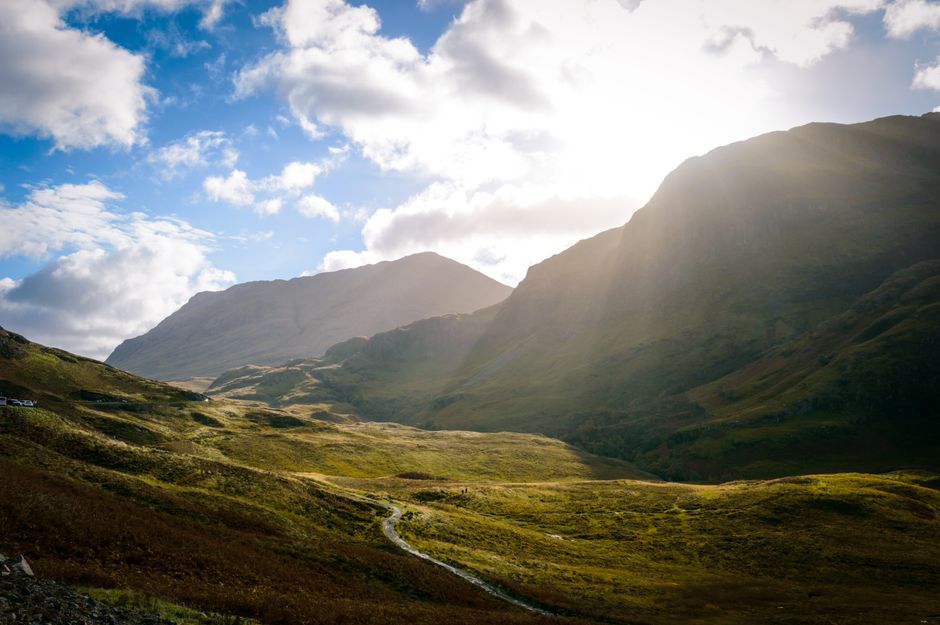
Should beginners camp high on their first Highland trip?
No. A first trip should use a low-level glen or a route with frequent exit points. High camps look attractive on a map, but they add wind exposure, difficult navigation and fewer options when the weather turns. Learn how your tent handles rain and how much water you actually carry before committing to a remote ridge.
When is a campsite, bothy or hostel the better option?
Choose a campsite after several days of rain, when ground is saturated or when local camping pressure is high. Choose a bothy when you understand that it may be crowded, has no guaranteed bedding and may lack a reliable water supply. Choose a hostel or bunkhouse when you need to dry clothing, recharge devices and recover before another long day. These are not failed versions of a wild camp; they are sensible tools for managing fatigue and weather.
What mistakes should you avoid?
Do not camp in enclosed fields containing crops or livestock, beside someone’s home, next to a road or on fragile vegetation. Do not stay in one place for more than two or three nights. Do not assume a phone signal will appear when you need it, and do not copy an online route without checking current access notices, river conditions and stalking information. The strongest plan is the one that still works after one wet night, one missed turn and one cancelled bus.
The single most important rule is to plan a flexible low-impact route that keeps you warm, dry, navigationally capable and able to leave before the Highlands make the decision for you.