
Can an amateur ride Alpe d’Huez and Galibier?
Can a recreational cyclist ride two of the Tour de France’s hardest Alpine climbs without racing, hiring a support van or suffering through a bad decision? Yes, but only with a realistic schedule and a willingness to stop before pride turns a difficult ride into an emergency.
What the numbers really mean
Alpe d’Huez rises for about 13.8 kilometres from Bourg-d’Oisans, averaging close to 8.1 percent and gaining roughly 1,071 metres. The famous 21 numbered hairpins make the climb easy to follow, but they do not make it easy. The steepest sections approach 13 percent, and the lower slopes can feel harsh before the road settles into a more regular rhythm.
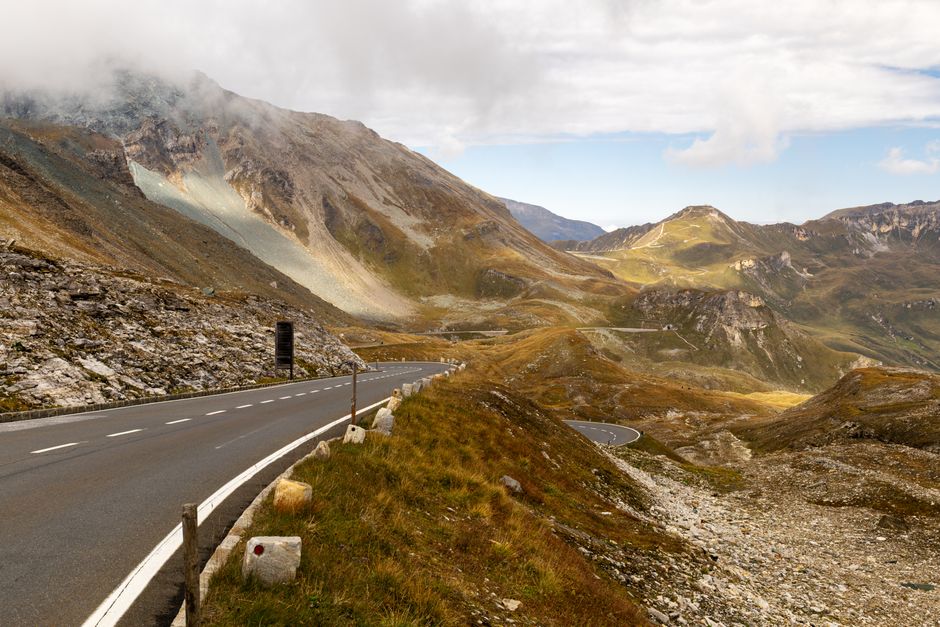
The Galibier is longer and higher. From Valloire, the climb to the 2,642-metre summit runs for about 17.7 kilometres at an average gradient near 5.9 percent. The final kilometres above Plan Lachat are much steeper and more exposed. From the Col du Lautaret side, the climb is shorter, roughly 8.5 kilometres, but the road still reaches high altitude and can become cold even on a sunny valley day.
The amateur verdict
Alpe d’Huez is the better first target because its gradient is steady, its bends provide frequent mental markers and Bourg-d’Oisans offers easy access to food, lodging and mechanical help. Galibier should come second after one recovery day. The winning plan is not to attack both summits in one day; it is to ride each climb below your limit, keep an emergency descent option and treat altitude, heat and road closures as part of the route.
Alpe d’Huez or Galibier: which climb should you ride first?
The two climbs test different weaknesses, so the order matters. Alpe d’Huez punishes poor pacing early. Galibier punishes a rider who spends too much energy before the high, exposed final section.
Quick comparison for amateur riders
| Factor | Alpe d’Huez | Galibier from Valloire |
|---|---|---|
| Approximate length | 13.8 km | 17.7 km |
| Average gradient | 8.1% | 5.9% |
| Elevation gain | About 1,071 m | About 1,245 m |
| Summit elevation | About 1,850 m | 2,642 m |
| Main difficulty | Steady steep gradients | Distance, altitude and exposure |
| Best base | Bourg-d’Oisans | Valloire or Saint-Michel-de-Maurienne |
Choose the first climb by risk, not reputation
Ride Alpe d’Huez first if you have limited Alpine experience, because a failed attempt leaves several practical escape options: descend to Bourg-d’Oisans, stop at a hairpin or turn around before the summit. Choose Galibier first only if your training already includes four-hour rides with long climbs and you have checked the high-pass opening.
Bottom Line: Alpe d’Huez is the better first climb for most amateurs; Galibier is the stronger second challenge because it adds altitude and endurance rather than just steepness.
How many days should you allow for both climbs?
Three riding days is the minimum sensible plan, while four or five nights gives weather and fatigue room. A tight two-day itinerary can work on paper and still fail after one hot climb, a poor night of sleep or a delayed mountain-road opening.
A practical five-night schedule
- Day one: Arrive in Bourg-d’Oisans or Valloire, assemble the bike, check brakes and tires, and ride for 30 to 45 minutes on flat roads.
- Day two: Complete a short endurance ride of 60 to 90 minutes with two controlled efforts of eight minutes. Finish fresh, not tired.
- Day three: Ride Alpe d’Huez early, starting before traffic and peak heat. Keep the effort conversational for the first half.
- Day four: Recover. Walk, eat a full meal and check the next day’s road, weather and summit temperature.
- Day five: Ride Galibier from Valloire if the pass is open. Start with enough food and clothing to handle a slow final hour.
- Day six: Keep as a weather reserve or use it for a short recovery ride and departure.
Why the reserve day pays for itself
Mountain forecasts can change quickly, and high passes can close because of snow, rockfall or road works. A reserve day protects the main goal without forcing you to ride wet, cold roads at altitude. My clear recommendation is five nights for first-time Alpine visitors, even if the plan contains only two major climbs.
What bike and gear does an amateur actually need?
My recommendation: rent or bring a reliable endurance road bike, not an aggressive race setup. Comfort, low gearing and dependable braking matter more here than saving a few hundred grams.
The bike setup that makes the climbs manageable
A Trek Domane AL 5 with a 2x Shimano 105 drivetrain, disc brakes and clearance for wider tires is a sensible benchmark. A Specialized Roubaix SL8 offers a more comfort-focused frame and Future Shock front suspension, but it is not magic; the correct cassette and a compact crank still matter more on an eight-percent climb. Aim for at least a 34-tooth low gear, and choose 30mm or 32mm tires at a pressure matched to your body weight and road surface.
Do not arrive with worn brake pads, an unknown rental saddle or a brand-new drivetrain that has not been tested. The Continental Grand Prix 5000 S TR in a 32mm size is a useful reference for a fast road tire, but any sound tire with adequate tread and no cuts is more important than the logo.
Navigation, clothing and small repairs
The Garmin Edge 540 can provide up to 42 hours in battery-saver mode, while the Wahoo ELEMNT BOLT V2 is rated for roughly 15 hours. Either is enough for a day ride if it starts charged. Carry a pump, two tubes even if you use tubeless tires, tire levers, a chain quick link, cash, an ID card and a phone in a waterproof pouch.
Pack a gilet, arm warmers, full-finger gloves and a light rain shell. Valley temperatures can exceed 25°C while the Galibier summit feels close to freezing. The correct verdict is simple: spend money on gearing, fit and weather protection before carbon wheels or electronic extras.
How should you pace, fuel and descend the climbs?
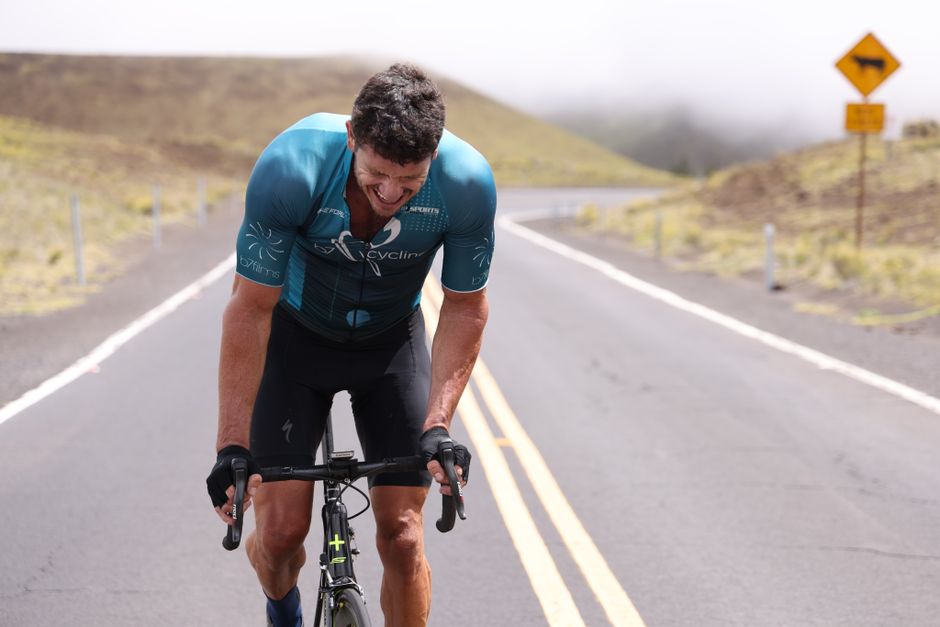
The biggest amateur mistake is treating a famous climb like a timed event. A summit photo is worth little if the rider reaches it dehydrated, shaky or unable to descend safely.
How hard should the first hour feel?
Ride the opening kilometres at a pace that feels almost too easy. If you use a heart-rate monitor, keep the first half below your normal threshold and avoid repeated surges out of hairpins. On Alpe d’Huez, shift early and stay seated through most bends. On Galibier, protect your legs before Plan Lachat because the final exposed section arrives after a long approach.
How much should you eat and drink?
Start with breakfast two to three hours before riding, then target roughly 40 to 60 grams of carbohydrate per hour for a steady amateur effort. Drink about 500 to 750 millilitres per hour, adjusting for heat, and include electrolytes if you sweat heavily. Carry enough for the gaps between shops and fountains; never assume a mountain café will be open outside peak season.
Descend with both hands ready on the levers, brake before corners and release the brakes briefly on straights to prevent overheating. If rain begins, reduce speed immediately. The correct verdict is to finish with energy in reserve, because the descent is part of the ride and not a reward after it.
When should you skip the summit?
Skip the summit when the road, weather or rider is unsafe. A Tour de France name does not override a closed pass, lightning, freezing rain, a mechanical defect or symptoms of altitude illness, and turning around is a successful decision when the alternative is an ambulance or an expensive recovery.
Failure modes that ruin the ride
Do not start at noon on a hot day, ride the first five kilometres above your training pace, rely on one water bottle, descend on bald tires or assume a closed road will reopen because a map app shows a route. Do not use a low-quality rental bike without checking the cassette, brake pads, saddle height and quick releases. A rider who has not trained for at least two hours of continuous climbing should not make Galibier the first test.
Better alternatives when conditions fail
If Galibier is closed, ride a lower valley loop or climb partway toward the Lautaret side and turn around before the exposed section. If Alpe d’Huez feels wrong, stop at a safe hairpin and descend rather than chasing all 21 bends. A shorter ride in dry weather beats a summit photograph taken during a storm. For most amateurs, the best result is not completing every planned kilometre; it is returning with enough confidence to ride the Alps again.
The single most important takeaway is this: ride Alpe d’Huez first, schedule Galibier after a recovery day, and let weather and pacing—not Tour de France mythology—decide how high you go.