
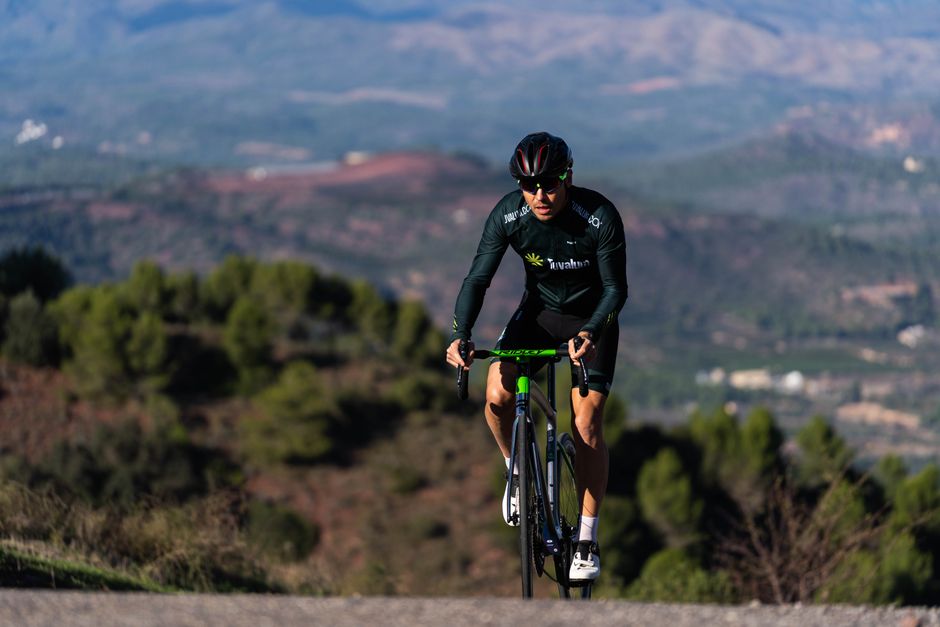
Can you finish a 100 km sportive if your longest ride so far is only 45 or 50 km? Yes, but only if you stop treating the event like a long sprint. The rider who attacks every short climb, skips breakfast, and waits until thirsty to drink usually has a rough final 25 km. The rider who builds time in the saddle, eats early, and holds back on the first hour often finishes stronger than expected.
I learned this after turning a manageable 60 km training ride into a slow mechanical walk home. My legs were not the only problem. I had started too fast, carried too little food, and trained hard on consecutive days. Preparing for a first 100 km ride means fixing those three errors before event day.
Why 100 km Feels Hard Before It Feels Long
Endurance is mostly energy management
A 100 km ride tests more than leg strength. It tests how well you manage glycogen, body temperature, hydration, contact points, and attention for several hours. Most riders can produce enough force for a short climb, but they cannot repeat that effort after four hours without a plan. Your body stores only a limited amount of carbohydrate in the muscles and liver, so a hard opening hour can spend energy that you need much later.
That is why the first principle is simple: protect your future self. Ride the early flat sections at a pace that lets you speak in short sentences. On climbs, keep something in reserve rather than chasing every wheel. A sportive rewards steady output more than dramatic surges.
Time in the saddle beats heroic workouts
Your back, hands, neck, and feet also need practice. A cyclist with strong legs but an untested saddle can spend the last 30 km shifting constantly and losing power. Long rides teach you where hot spots form, how much food you need, and how your pace changes after three hours. Those lessons cannot come from one spectacular interval session.
The goal is not to prove that you can suffer on a Tuesday evening. It is to make four hours on the bike feel familiar enough that the final hour remains controlled.
A 10-Week Training Plan for Your First 100 km
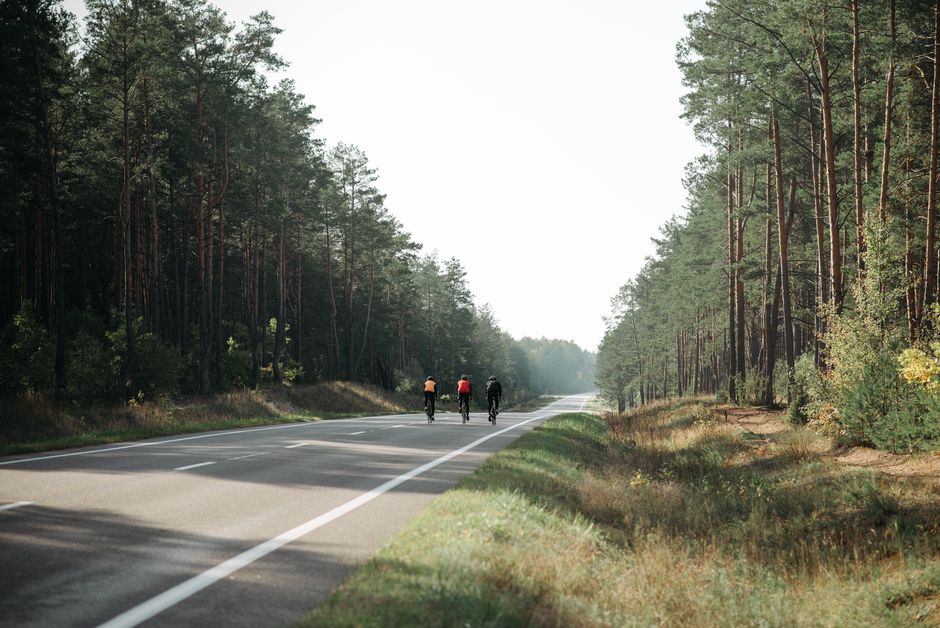
Weeks 1 to 3: create a repeatable routine
- Ride three times per week: one easy 45-minute ride, one ride with four 5-minute steady efforts, and one weekend ride of 40 to 55 km.
- Keep the easy ride genuinely easy. If your breathing is heavy for most of it, slow down.
- Add only 5 to 10 km to the weekend ride when your legs feel normal by the next morning.
Do not add distance and intensity in the same week. That is the fastest way to turn normal fatigue into a sore knee or a week away from the bike.
Weeks 4 to 7: extend the longest ride
- Build the weekend ride through 60, 70, and then 80 km, with an easier week after every two harder weeks.
- Practice eating 30 to 60 grams of carbohydrate per hour, starting during the first hour rather than waiting for hunger.
- Include two or three climbs, but ride them at a pace you can repeat later.
Weeks 8 to 10: rehearse the event
- Complete one 90 km ride three weeks before the sportive, then reduce volume during the final 10 to 14 days.
- Use the same bottles, food, clothing, and tire pressure you expect to use on event day.
- Keep the final week light: two short easy rides and one ride with three 3-minute efforts.
This schedule works because it gives your body repeated exposure to duration without turning every ride into a test.
My Strongest Verdict: Ride the First 50 km Too Slowly
The pacing rule
Ride the opening 25 km at a pace that feels almost embarrassing, keep the next 50 km steady, and spend the final 25 km responding to the course rather than trying to recover from an early mistake; this conservative start gives your body time to settle, keeps your breathing under control, and leaves enough carbohydrate for the climbs near the finish.
What this feels like on event day
You should finish the first hour thinking that you could ride another hour at the same speed, because the correct pace is not the fastest pace you can tolerate now but the fastest pace you can still repeat after three hours, and that usually means riding below the group’s excitement on the opening climbs, eating before you feel empty, and letting impatient riders disappear up the road.
Questions That Prevent a Bad Final 25 km
How much should I drink?
Start with roughly 500 to 750 ml per hour, then adjust for temperature, sweat rate, and aid-station access. Drink regularly rather than emptying a bottle at once. On a hot day, include sodium through a sports drink or food designed for long rides. Clear urine is not a target during the event; overdrinking can also cause problems.
Should I train every day?
No. Three purposeful rides are enough for many new riders, especially when one ride is long. Add rest or easy walking between hard sessions. Sleep and recovery turn training stress into usable endurance. If your resting legs feel heavy for several days, reduce the next session instead of trying to force the plan.
What mistake ruins the most first rides?
Starting with the fastest group is the common answer. The deeper mistake is failing to practice the event routine. Riders arrive with food they have never eaten, bottles they cannot reach, and clothing that rubs after two hours. Test every detail on the 70 km and 90 km rides, including stops, repairs, and the pace you plan to hold.
Choose Consistency Over Expensive Fitness
My recommendation is clear: train for three rides per week, build one long ride to 90 km, and arrive with a pacing and fueling plan already tested. Spend first on dependable tires, a working pump, two bottles, and food you know your stomach accepts; a Garmin Edge 540 or Wahoo ELEMNT BOLT V2 can help with route control, but neither device can rescue a rider who burns through the first two hours too quickly.
Give yourself at least ten weeks if you currently ride less than 30 km at a time. If you already ride 50 km comfortably, eight weeks can be enough. Keep the final two weeks lighter, check the forecast, and make sure you know where water and mechanical support are available.
When that nervous rider rolls away from the start line, the aim is not to feel fresh forever. The aim is to reach 75 km with enough in reserve to keep pedaling, eating, and making calm decisions. That is how the 100 km sportive changes from a distant challenge into the same manageable ride you practiced every weekend.