
Is Hintertux summer skiing worth the money?
You have one free day in Austria, the valley is warm, and your skis have been sitting in storage since April; is it sensible to spend money and several hours reaching a glacier for a few summer runs? My verdict is clear: Hintertux is worth it for a ski-specific trip in late spring or early summer, but it is a poor choice for anyone expecting a normal winter resort day. The glacier gives you a real snow session, a high-altitude setting, and a reliable way to keep your technique alive when most European resorts are closed, yet the experience can shrink to short laps, soft snow, limited terrain, and a long lift journey before the first turn. Book it as a focused mountain day, check the live status before leaving, and treat the glacier as the main event; add it casually to a sightseeing holiday only if the weather is already favorable. If the trip requires an expensive flight, non-refundable hotel, and a full-price ski ticket, I would not gamble on a weak forecast.
What summer skiing on Hintertux actually feels like
The glacier solves a timing problem, not every skiing problem
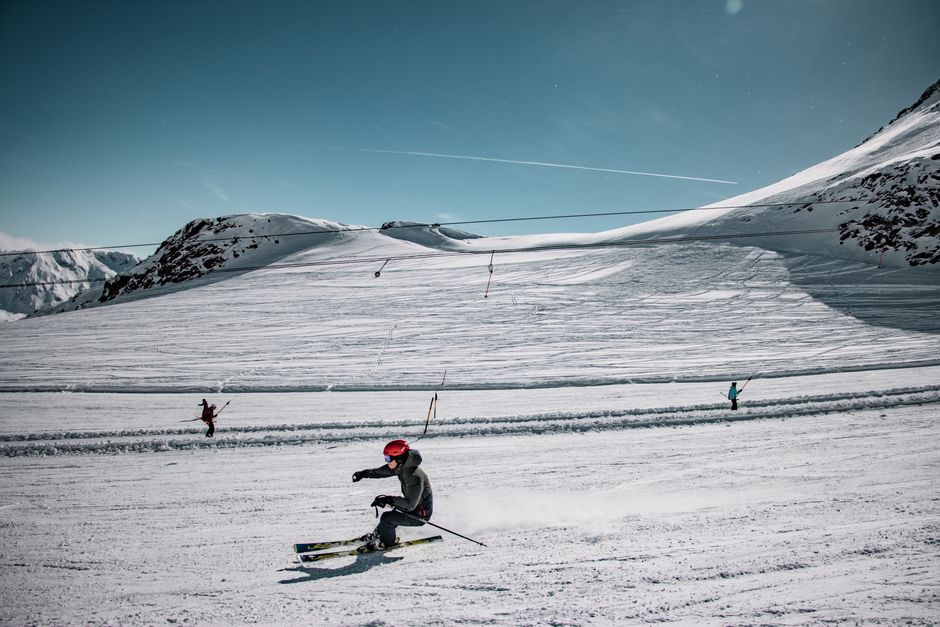
The basic reason Hintertux can offer summer skiing is simple: the ski area reaches 3,250 metres on a glacier, far above the hot valley floor. That altitude preserves snow and ice after lower resorts have closed. The tradeoff is that the glacier does not recreate January. Sun, wind, rain, freeze-thaw cycles, and the previous winter’s snowfall all affect the surface. A cold morning can produce firm, fast snow. A warm afternoon can produce deep ruts, sticky patches, and exposed ice.
The lift system also shapes the day. From the valley, you need three cable-car stages and two transfers to reach the highest station. The resort says to allow about 40 minutes for the full ascent. That is reasonable for planning, but queues, equipment changes, and crowded cabins can make the first run later than expected. At the top, you are skiing in a high alpine environment, not stepping straight from a hotel onto a broad network of pistes.
The calendar changes the value
Late spring usually offers the strongest case because the glacier still has a deeper winter base and the days are long. Early summer can be excellent after a cold spell, especially for race training, carving practice, or a few clean morning laps. By high summer, the result becomes more weather-sensitive. The glacier may still operate, but the open ski terrain, surface quality, and operating schedule can change quickly.
Use the resort’s live lift status on the morning of travel. A lift running does not automatically mean a large, enjoyable ski area. The honest value proposition is access to snow when snow is scarce, not unlimited winter-style choice.
How to plan a Hintertux ski day without wasting the ticket
- Check the live status twice. Look the evening before and again before driving to the valley. Confirm ski lifts, open runs, wind restrictions, and the latest downhill connection. Glacier weather can close upper lifts even when the valley looks perfect.
- Arrive early. Aim to be at the lift station before 8:15 a.m. The best surface is usually found in the morning, and an early start protects you from losing the useful part of the day to queues or warming snow.
- Budget 40 minutes for the ascent. The route from the valley to the highest station includes three cable-car sections and two changes. Add spare time for parking, boot fitting, toilets, and a quick weather check.
- Pack for two climates. The valley can feel like summer while the glacier is cold, bright, windy, and wet. Bring a waterproof shell, warm mid-layer, gloves, sunscreen, lip balm, and eye protection. A cotton T-shirt alone is not a plan.
- Set a turnaround time. If the snow becomes heavy or visibility drops, stop forcing laps. The last downhill connections vary by station, and missing the correct lift can turn a tiring day into a genuine transport problem.
- Keep the booking flexible. Do not buy a non-refundable room or flight around one forecast model. A flexible night in the Tux valley gives you a better chance to move the ski day to a colder, clearer morning.
The best schedule is narrow and practical: arrive early, ski the useful surface, take a proper break, and leave before the glacier becomes a slushy endurance test. That plan beats chasing an imaginary full-day winter experience.
Who should skip Hintertux in summer?
Is Hintertux suitable for a normal family ski holiday?
No. Families wanting long cruising runs, a wide choice of beginner terrain, and easy slope-side access should choose a winter resort or a lower summer activity day instead. The glacier is high, the ascent takes time, and conditions can change faster than a child’s patience. It works better for confident skiers, snowboarders, race camps, and travelers who already want to see the high mountain.
Should you go in July or August?
Go in July only after checking current conditions and only if skiing is the main reason for the trip. August is a weak bet for a ski-first holiday because warm weather can reduce open terrain and soften the snow. If the forecast is hot, book the glacier as a sightseeing option rather than promising yourself a full ski day. The live report matters more than an old social-media photo.
What is the best alternative?
For dependable turns, move the trip to late spring or early autumn, when the glacier has a better chance of offering a focused ski session. For a broader resort experience, visit during winter and use the surrounding Zillertal terrain. For a mixed summer holiday, take the lift for the views, ice attractions, and hiking, then spend the rest of the day in the valley.
Bottom Line: Hintertux is a smart purchase for a committed skier who can travel flexibly and start early. It is a poor purchase for someone buying an expensive trip just to tick “summer skiing” off a list.
- Best value: late spring or early summer, with a cold forecast and confirmed ski operations.
- Best for sightseeing: the €56 return to 3,250 metres, if you do not need ski access.
- Worst bet: a fixed-price August ski holiday built around marketing claims instead of live conditions.