
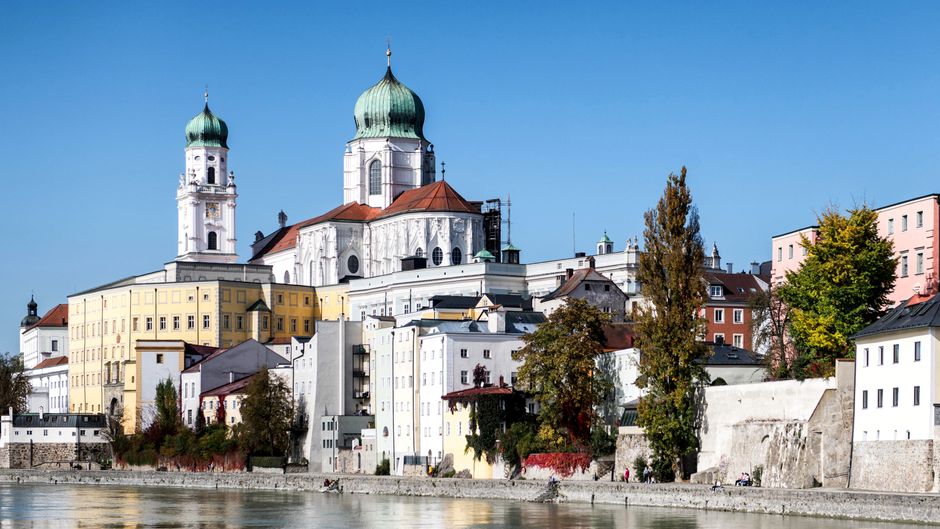
Is the Passau-to-Vienna route suitable for a relaxed family trip?
Yes, Passau to Vienna is the best first European bike tour for families that want a supported route rather than a wilderness challenge. The ride follows roughly 325 kilometres of the Danube, with most stages on paved or well-packed cycle paths. The route has towns, cafés, railway stations, ferry crossings, and accommodation at regular intervals. That network matters more than the scenery when a child has a tired leg, a loose chain, or a sudden need for a bathroom.
Who can manage the distance?
A typical relaxed itinerary lasts seven cycling days, with daily distances between 35 and 55 kilometres. Children who already ride several hours on local paths can usually handle the shorter stages, but distance alone does not decide the issue. Wind, heat, poor sleep, hills near the riverbanks, and the pressure of staying on schedule can turn a flat 40-kilometre day into a hard one. Families with younger children should plan a trailer, a tag-along, or a spare transport option for the final 10 kilometres of each day.
What makes the route family-friendly?
The Danube path is not a single flawless strip of pavement. Some sections share quiet roads, cross bridges, or require a ferry. That is manageable when adults check the next crossing before leaving breakfast. The strongest family advantage is the route’s escape network: local trains can shorten a stage, luggage transfers can remove heavy bags, and almost every major stop has a repair shop or bike rental office. The clear verdict is simple: choose Passau to Vienna for a first family tour if convenience and scenery matter more than remote riding.
Families should also agree on the purpose of the trip. If the goal is to ride, swim, eat well, and arrive with enough energy for an evening walk, the route fits very well.
How many days should families allow from Passau to Vienna?
Seven cycling days gives most families the right balance. Six days is possible for fit adults, while eight or nine days works better for children, mixed abilities, or a plan that includes museums and boat trips. The schedule below uses short opening and closing stages and avoids treating the entire route as a distance contest.
A practical seven-day itinerary
| Day | Stage | Approximate distance | Family reason |
|---|---|---|---|
| 1 | Passau to Schlögen | 40 km | Easy start with river scenery and short riding time |
| 2 | Schlögen to Linz | 55 km | More distance, with Linz transport and dinner choices |
| 3 | Linz to Grein | 55 km | Mostly gentle riding with a historic town finish |
| 4 | Grein to Melk | 50 km | Good balance of villages, river views, and a major attraction |
| 5 | Melk to Krems | 40 km | Short stage through the Wachau wine region |
| 6 | Krems to Tulln | 55 km | Flat riding with parks and swimming options |
| 7 | Tulln to Vienna | 35 km | Short final ride with time for arrival logistics |
When should the plan change?
Move one night into Linz or the Wachau if the youngest rider is under 10, if one adult is towing a trailer, or if your group wants long sightseeing stops. A 25-kilometre day followed by a museum visit often creates better memories than a 60-kilometre day followed by an exhausted restaurant search. If accommodation in a small town is limited, reserve rooms before the trip and keep one train-accessible fallback town in the plan.
Which direction is better?
Passau to Vienna is the clear choice for a relaxed trip because the route generally follows the river downstream. That does not remove every climb or headwind, but it reduces the amount of sustained effort. The reverse direction can work for experienced riders who want a harder challenge, yet it gives families less margin when weather or fatigue changes the schedule.
When should families ride the Danube Cycle Path?
Late May through June is the strongest overall window for a family ride. The days are long, temperatures are often comfortable, and the route usually feels less crowded than during the main July and August holiday period; July and August offer warmer swimming weather but raise the risk of heat, busy ferries, and fully booked family rooms; September brings softer light and cooler afternoons, though shorter daylight makes a late start a poor choice.
How should weather affect the schedule?
Build each day around an early departure, a long lunch, and a clear stopping point before late afternoon storms. A family should carry rain shells even when the forecast shows sun, because rivers create changing wind and cloud conditions. If temperatures reach 30 degrees Celsius, reduce the planned distance by at least 10 kilometres and add a shaded break every hour. Children lose fluids quickly while riding slowly behind adults, so a water stop should happen before anyone says they are thirsty.
What does the river season change?
Water levels, maintenance work, and ferry timetables can change from one season to the next. Check each ferry operator and accommodation provider shortly before departure, especially around Easter, public holidays, and autumn weekends. The practical verdict is to choose June for the easiest first trip, September for quieter roads, and July or August only when your family handles heat well and you can reserve rooms early.
What should families pack for the Danube path?
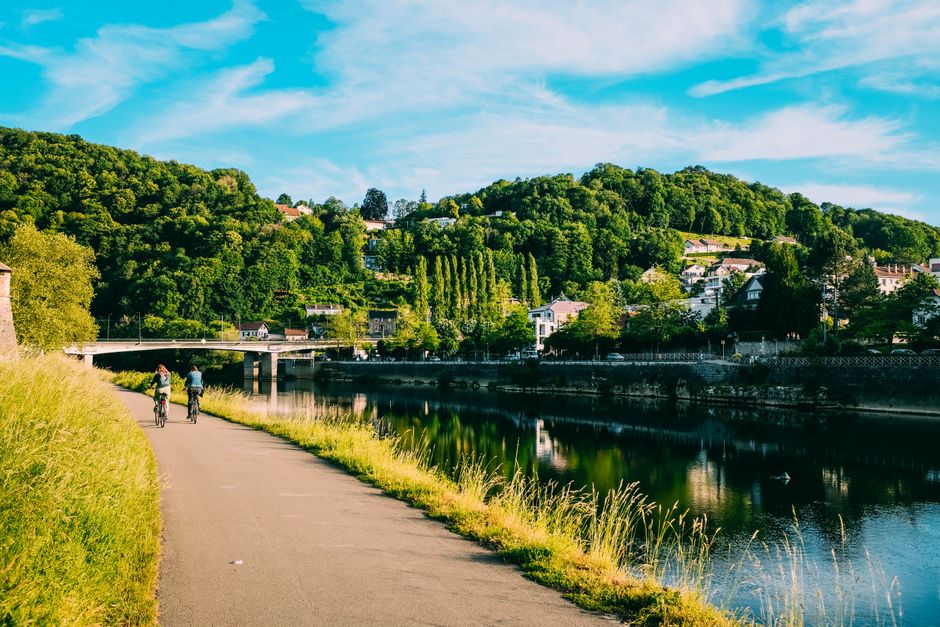
The best packing rule is one small pannier per rider plus one shared repair and first-aid bag. Heavy luggage makes every bridge ramp feel steeper, and children rarely need more clothing than adults expect. If you use rental bikes, confirm wheel sizes, helmet availability, child seats, panniers, and repair coverage before paying.
A workable packing checklist
- Pack two cycling outfits, one warm layer, one rain shell, swimwear, and shoes that work off the bike.
- Carry two water bottles per adult and one bottle for each child. A 500 to 750 millilitre bottle is easier for small hands.
- Bring sunscreen, insect repellent, basic medicine, blister treatment, and any prescription medicine in the day bag.
- Carry two spare tubes in the wheel sizes used by your group, tyre levers, a mini pump, a chain tool, and lights.
- Keep identity documents, insurance details, accommodation addresses, and emergency contacts in waterproof storage.
- Use one phone with offline maps and a power bank. Download the route before leaving Wi-Fi.
Which named gear examples are sensible?
For an adult rental alternative, the Trek FX 2 Disc Gen 4 offers hydraulic disc brakes and a wide-range 18-speed setup; a typical European reference price is about €799. The Decathlon Riverside 500 is a cheaper nine-speed option often listed near €350, but its fit and luggage mounts need checking before a long tour. For children, the Woom 5 is a 24-inch bike weighing about 8.7 kilograms, with a typical price near €600. A family carrying a small child may prefer the two-seat Thule Coaster XT, rated for about 45 kilograms and commonly priced around €500. These are planning references, not endorsements, and rental equipment may be the better financial choice for a single trip.
How do ferries, trains, and luggage transfers work?
Do families need to use ferries?
Usually, yes. Several sections use small river ferries or crossings to keep riders on the most scenic bank. Check the first and last departure before breakfast, and carry enough cash or a payment card accepted by the operator. If the crossing is closed, follow the marked bridge detour rather than improvising on a busy road. Adults should board first, secure bikes, and keep children away from the edge while other riders load.
Can trains rescue a difficult day?
Often, but bicycle spaces can be limited and rules differ between Germany and Austria. Ask the rental provider which trains accept full-size bikes and trailers, and buy or reserve the required bicycle supplement before the platform becomes crowded. Linz, Melk, Krems, Tulln, and Vienna provide useful transport links, but small intermediate stations may have stairs or narrow platforms. A train is a backup tool, not a guarantee that every bike can board at the last minute.
Is luggage transfer worth paying for?
For a relaxed family trip, yes. A transfer service usually moves one suitcase per person between hotels, while each rider carries only water, layers, snacks, and valuables. Prices vary by season and provider, so ask for the total cost, weight limits, pickup times, and policy for a missed night. Keep one small emergency bag with clean clothing and basic toiletries in the riding group.