
The common misconception is that a family adventure holiday needs constant high-risk activity. Slovenia proves the opposite. You can combine a guided river trip, an underground cave tour and a lake-swimming afternoon without turning the week into an expensive endurance test. The catch is planning the order properly. Cold water, mountain weather, driving time and age limits matter more than glossy photos.
A seven-day Slovenia trip can stay active without becoming chaotic
My verdict: build the holiday around three paid highlights and leave space between them. Families get better value from one well-chosen rafting trip, one cave visit and several free swimming or walking days than from buying a packaged adventure every morning.
Use the expensive days carefully
For 2026, a family should expect roughly €55–€62 per person for a standard guided rafting trip before local river fees, and €34.90 for an adult Postojna Cave ticket, with children aged 6–15 listed at €20.70 for the cave visit. Swimming at a permitted lake or river area usually costs nothing, although parking, changing rooms and food can add €10–€25 per person.
| Activity | Typical time | Published or indicative cost | Best use |
|---|---|---|---|
| Guided Soča rafting | 2.5–3 hours including preparation | €55–€62 per person, plus possible river fees | One major adventure day |
| Postojna Cave | About 90 minutes for the cave visit | €34.90 adult, €20.70 child aged 6–15 | Reliable wet-weather plan |
| Lake or designated river swimming | Half day | Often free; allow €10–€25 for parking and food | Low-cost recovery day |
Do not finance a short holiday badly
Foreign-exchange fees of 0%–3% and cash-withdrawal fees of €2–€5 also deserve attention. Pay from saved cash if possible.
Choose one base instead of chasing every Slovenian highlight
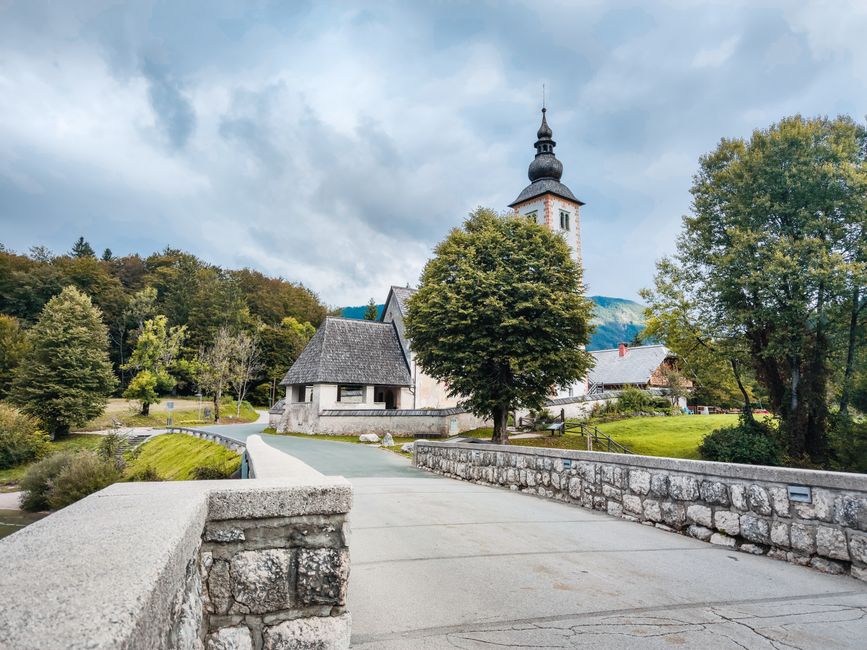
Stay in one main region for at least three nights. Bled and Bohinj work best for families that want easy lake access, gentle walks and simple day trips. Bovec works better for families whose main goal is rafting and river scenery. Postojna is useful for one cave-focused night, but it is a weaker base for lake swimming.
Bled and Bohinj suit mixed-age groups
The Bled–Bohinj area gives a family a softer landing. Younger children can swim, paddle or walk short paths while older children take on longer hikes or a guided river activity. The trade-off is price and summer traffic. Rooms near Lake Bled can cost more than accommodation in smaller villages, and parking fills quickly on hot weekends. Bohinj usually feels quieter, but shops and evening dining are less concentrated.
Bovec wins when rafting is the point
Bovec reduces transfer time for Soča activities and gives you a better chance of fitting rafting around weather changes. A standard trip commonly covers about 7–10 km and lasts roughly 1–1.5 hours on the water, with the full outing taking longer because of transport and changing. The river can reach difficulty levels II–IV depending on conditions, so parents should treat the guide’s briefing as a decision point, not a formality.
Do not book Bled, Bovec and the Karst region as separate one-night stops unless the family enjoys packing and driving. For most families, two bases produce a better holiday than three.
Soča rafting is worth paying for, but the family version is the smarter buy
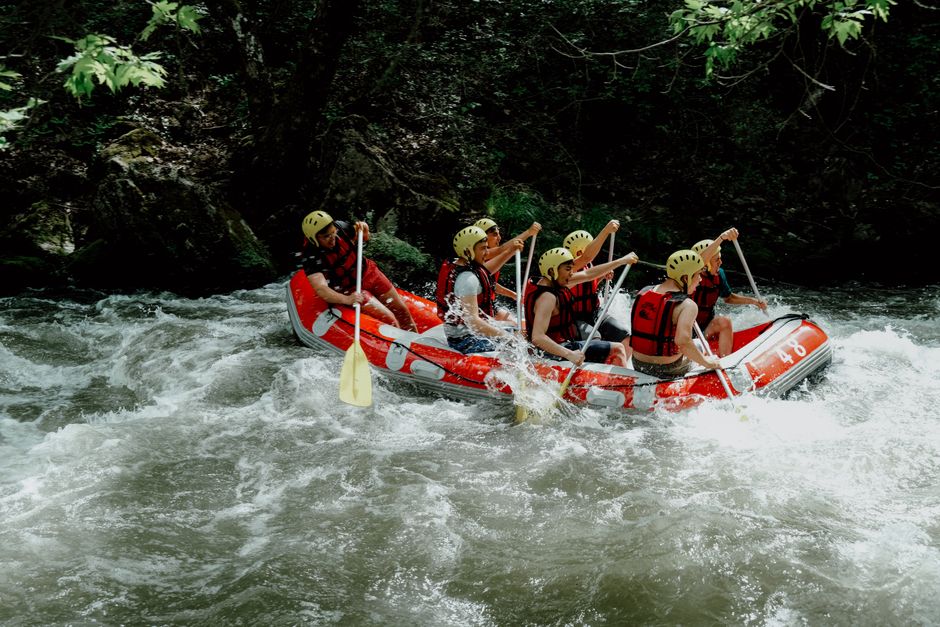
Pick the calm family section for mixed swimming ability and younger children. It gives you the river scenery and teamwork without paying for the most demanding whitewater available. The best choice is not the longest trip; it is the trip that leaves everyone keen to do something the next day.
What the operators actually include
Bovec Sport Center lists its 2026 Soča Rafting Classic A+ from €55 in low season and €60 in high season, with transport, a certified guide and safety equipment included; local tax is extra. Soča Splash lists family rafting from €62 and says the package includes a wetsuit, neoprene boots, life jacket, helmet, transport and guide. These are useful comparison points, but they are not final family totals.
Check the height rule before paying
Soča Rafting states that children taller than 130 cm who can swim may join its main rafting programs, while children taller than 110 cm may join its easier Kreda trip. Children up to 14 may need to travel with a parent or another responsible adult on more demanding activities. A local permit can add €6 in Bovec and €15 in Kobarid for an adult during parts of the 2026 season, with child rates sometimes lower. Ask which municipality fees apply to the exact route.
The practical packing list is short: swimsuit, towel, dry clothes and secure footwear for the walk to and from the river. Do not bring a phone onto the raft unless the operator confirms a safe storage system. For families with a nervous swimmer, choose the calm section or skip rafting. A guided lake paddle is the better purchase.
Which cave should a family visit when weather turns?
Is Postojna Cave the easiest family option?
Yes. Postojna Cave is the easier first cave for families because the visit combines an electric cave train with a guided walk. The cave stays around 10°C throughout the year, so a summer day still requires a fleece or jacket. The standard adult price listed for 2026 is €34.90, while children aged 6–15 are listed at €20.70. A Postojna Cave and Predjama Castle package is listed at €49.90 for adults and €29.90 for children aged 6–15, though prices and offers can change.
When is Škocjan Caves the better choice?
Choose Škocjan Caves for older children who can manage a longer walking route, stairs and a darker, more dramatic underground landscape. Choose Postojna for younger children, a shorter attention span or a group that wants the train ride. Neither cave is a casual stop in beach clothing. Closed shoes, warm layers and a timed entry are sensible.
What is the budget mistake?
Families often buy the largest cave package because the word “package” sounds cheaper. Compare the attractions your children will actually visit. If the family only wants the cave, a single ticket can beat a full-park pass. If the weather forecast is poor and you want a full indoor day, the added Vivarium or exhibition may justify the higher price. My pick for most first-time families is the basic Postojna Cave visit, followed by an inexpensive picnic rather than every add-on.
Lake swimming works best as a recovery day, not a guaranteed beach holiday
Lake water in the Slovenian Alps is not a warm Mediterranean substitute. That is the main expectation to reset. The reward is clear mountain scenery and a flexible afternoon; the cost is cold water, changing weather and limited comfort outside organised bathing areas.
Use permitted bathing areas
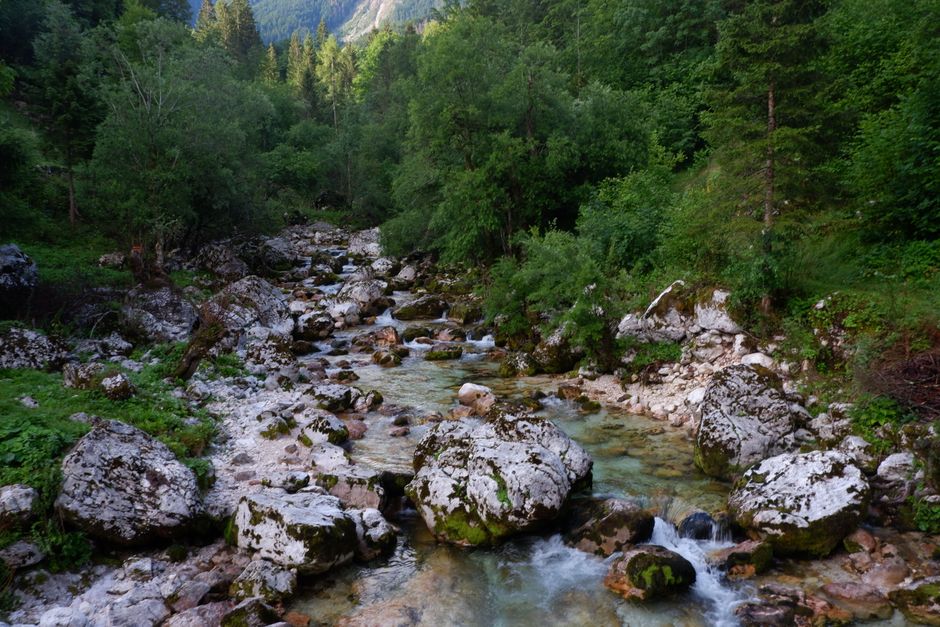
Swim only where local authorities or site managers permit it. A beautiful empty shoreline does not automatically mean safe swimming. River levels can change after rain, underwater rocks are hard to see and currents near narrow sections can pull children away from adults. Keep a child within arm’s reach in unfamiliar water, even if the surface looks calm.
Bring a simple temperature strategy
Pack quick-dry towels, warm layers, water shoes and a small changing shelter. Start with ten minutes in the water rather than promising a long swim. If the lake feels too cold, switch to a lakeside walk, paddle rental or an indoor pool. This is why a flexible itinerary beats a holiday built around one perfect swimming forecast.
Lake Bled is the more convenient choice for organised bathing, food and nearby services. Lake Bohinj usually feels more natural and spacious, but the water can be bracing and facilities are less concentrated. For a family with toddlers, convenience wins. For confident swimmers and older children, Bohinj offers the better setting.