
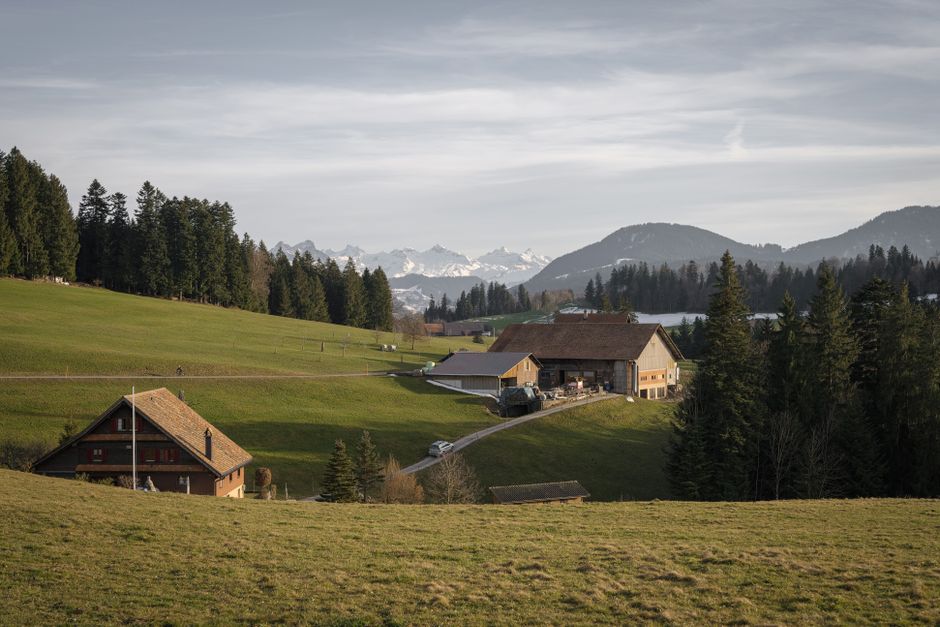
The common misconception is that a ski resort shuts down when the snow disappears. In July, the opposite is often true. The lifts run, hiking trails open, mountain restaurants serve lunch above the tree line, and families can reach high viewpoints without dragging tired children uphill for three hours. A good Alpine village is not a winter resort with a few summer activities added. It is a practical base for a family holiday.
Why a ski village works better than a city in July
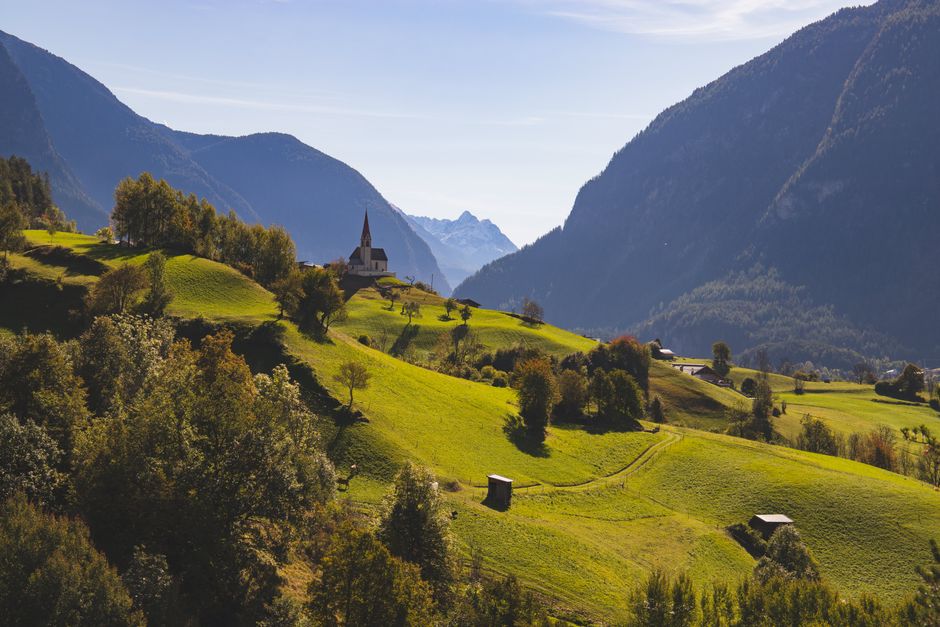
A family trip is rarely ruined by a lack of attractions. It is ruined by friction: long transfers, hot pavements, expensive taxis, and children who have run out of patience before the day has started. Alpine villages remove much of that friction.
The altitude advantage is real
Many villages sit between 800 and 1,500 metres, while the main walking routes and cable cars reach 2,000 metres or more. July afternoons are cooler than in major European cities, and the difference matters when a child has to walk from breakfast to an activity. You can plan a morning hike, return for lunch, then spend the afternoon beside a lake or in a shaded village park. The day has natural breaks instead of one exhausting sightseeing circuit.
Lifts turn difficult terrain into easy access
A cable car changes the family equation. Parents can carry a toddler, a small child can walk a gentle ridge route, and grandparents can join the same outing without needing mountain fitness. The best villages also put bakeries, supermarkets, swimming pools, bus stops, and restaurants within a short walk of the main lift station. That combination is more useful than a long list of attractions.
The clear verdict: for families who want outdoor variety without changing hotels every two nights, a well-connected ski village is a better July base than a large city.
How to choose an Alpine family base that actually works
Do not book by scenery alone. A dramatic mountain view is useless if every activity requires a 45-minute drive. Judge the village by its daily logistics.
- Check the lift walking distance. Stay within 10 minutes on foot of a lift, local bus stop, or both. A steep 20-minute walk with bikes, backpacks, and a tired four-year-old is not charming.
- Confirm the summer timetable. Look for the first uphill departure, the final descent, rest days, and weather closures. A village with one cable car running every other day is a poor choice for a week-long base.
- Demand a rainy-day plan. Search for an indoor pool, family museum, climbing hall, bowling centre, or reliable train connection. Mountain weather can change in an hour.
- Match the terrain to the youngest traveller. A high-altitude destination built around exposed trails suits confident walkers. It does not suit a family carrying a two-year-old in a stroller.
- Price the whole week. Add accommodation, lift access, parking, buses, equipment hire, and paid mountain attractions. A cheap apartment can become expensive when every outing needs a car and separate tickets.
The best base has a small radius
Keep the useful part of the village compact. Families should be able to reach breakfast, groceries, a playground, and the lift without starting the car. This is the single strongest sign that a resort will feel easy rather than tiring.
Book flexibility, not just a balcony
Choose accommodation with a kitchen, drying space, and free cancellation when possible. A washing machine matters more than a second bedroom if the children spend the day in mud and rain. The winning base gives you options when the forecast changes.
Which Alpine regions make the strongest July bases?
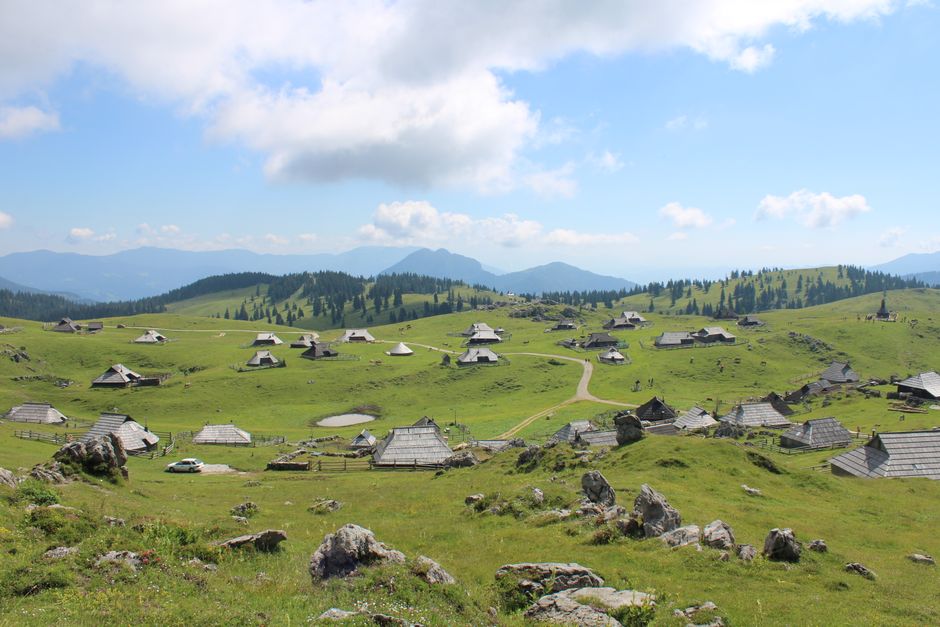
There is no universal winner, but some regions are much easier to use with children. The table below shows the practical difference.
| Region | Best for | Family advantage | Main drawback |
|---|---|---|---|
| Seefeld, Austria | Young children and gentle walks | Flat plateau paths, buses, pools, and easy village access | Less dramatic than the highest Alpine valleys |
| Chamonix, France | Mixed-age families | Big range of lifts, trains, hikes, climbing, and glacier views | Traffic and higher accommodation prices |
| Zell am See, Austria | Lake-and-mountain holidays | Swimming, boat trips, lifts, and family cycling in one area | Busy in peak July weeks |
| Val Gardena, Italy | Mountain scenery and food | Excellent cable-car network, short walks, and strong hut culture | Some famous viewpoints need advance planning |
Best for toddlers: Seefeld wins
Seefeld is the safest recommendation for families with children under six. Its plateau setting makes short walks less punishing, and the village infrastructure is easier to manage with a stroller than steep Dolomite or Chamonix streets. It also gives parents enough cafés and indoor options to break up the day.
Best for teenagers: Chamonix wins
Older children need challenge, not another playground. Chamonix offers rafting, climbing, mountain biking, high lifts, and train journeys that feel like proper adventures. It is the strongest choice for a family with different energy levels, provided you accept the cost and traffic.
For a balanced first trip, choose Seefeld or Zell am See. For scenery and ambitious outdoor days, choose Val Gardena. For teenagers who complain that every holiday is boring, choose Chamonix.
What mistakes ruin a family ski-resort holiday in July?
Families usually do not fail because they chose the wrong mountain range. They fail because they plan a winter-style trip for summer conditions.
Are all lifts open every day?
No. Some operate only from late June, some close for maintenance, and some stop early because of wind or storms. Check the live timetable before booking a remote apartment. A spectacular viewpoint is not part of your holiday if its lift runs twice a week.
Can children hike the same routes as adults?
No. A route labelled easy may still include loose rock, steep drops, or three hours without shade. Read the distance, elevation gain, surface, and descent method. A 4-kilometre loop with 150 metres of climbing is a sensible first target for younger children. Save the 900-metre ascent for a guide or a strong teenage group.
Is July guaranteed to be sunny?
No. Pack waterproof jackets, warm layers, sun hats, and shoes with real grip. Do not build seven outdoor days around one forecast. A family base needs an indoor pool, a museum, a train trip, or a cooking activity within reach. The smartest booking decision is not the highest balcony. It is the village with a credible backup plan.
One more mistake costs money: buying every ticket at the lift window. Work out the number of uphill days first, then compare a local card, a flexible multi-day pass, and individual rides. Do not buy a season pass for a one-week holiday.
When a ski resort is the wrong family base
Do not choose an Alpine village if your family mainly wants heat, a pool, and zero planning. Mountain holidays involve changing weather, walking, early lift times, and occasional closures. A beach resort will serve that brief better.
Choose another destination when logistics matter more than scenery
A ski resort is a poor fit for families with very young babies, limited mobility, or no interest in outdoor activities. Steep streets, cable-car queues, altitude, and uneven paths can turn a beautiful setting into daily work. A lakeside town with flat cycle paths may deliver more usable holiday time. The same applies to families who need reliable heat every afternoon: July in the Alps can bring rain and cool evenings.
Choose the village, not the label
“Ski resort” tells you what the place does in winter. It does not tell you how it works in July. Some resorts invest heavily in family pools, bike paths, buses, and open lifts. Others have empty hotels, limited restaurants, and one expensive activity. Read the summer calendar, count the open attractions, and check the distance from the station before paying a deposit.
For families who want fresh air, flexible days, and more than one kind of activity, summer in a ski resort is becoming one of the strongest Alpine travel formats. The best villages will be the ones that stop treating July as an off-season gap and start designing the whole mountain around four-season family life.